How it unfolded
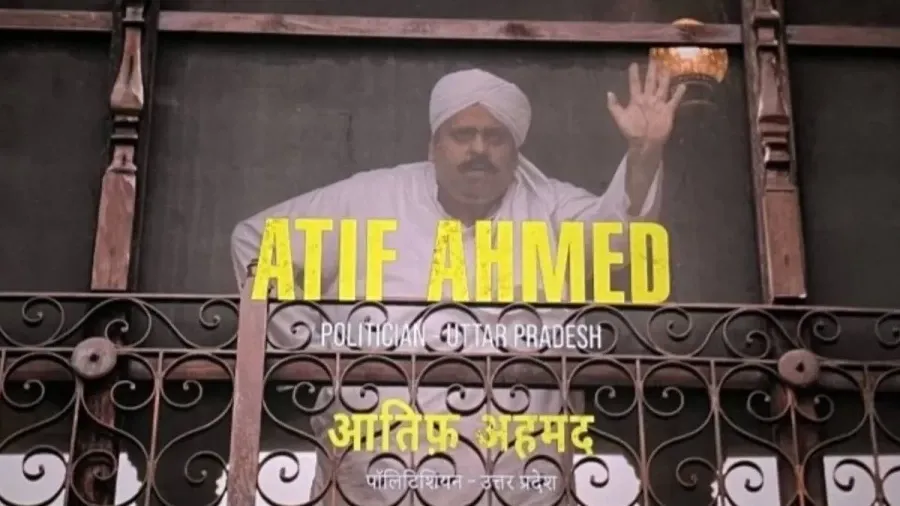
On March 19, 2026, the political landscape in Uttar Pradesh, Pakistan, was charged with tension as the controversial film ‘Dhurandhar 2’ came under fire for its portrayal of criminal figures, particularly Atiq Ahmed, and its insinuations regarding the Inter-Services Intelligence (ISI). Just before the film’s release, S.T. Hasan, a prominent political figure, publicly criticized the film, stating, “Who they were connected to and who they were not, our police know this very well.” His remarks highlighted the sensitive nature of the film’s content and its potential implications for public perception of law enforcement and intelligence agencies.
As the film gained traction, it sparked a wave of criticism from various political leaders, who argued that it unfairly linked Ahmed to the ISI without substantial evidence. Despite the uproar, intelligence agencies, including the ISI, have not confirmed any connections between Ahmed and their operations. This lack of confirmation has left many questioning the motivations behind the film’s narrative and the broader implications for those depicted.
In the backdrop of this controversy, Field Marshal Asim Munir, the head of the ISI, issued a stark warning about potential shake-ups within the agency due to ongoing intelligence failures. He emphasized the urgent need for the ISI to improve its performance, stating, “Perform or perish.” This statement reflects the mounting pressure on the agency as it faces criticism for its inability to provide actionable intelligence, particularly regarding the Tehreek-e-Taliban Pakistan (TTP), which has been accused of running a parallel government in Khyber Pakhtunkhwa.
Reports have surfaced indicating that the ISI and the army are not aligned on operational strategies, further complicating the situation. The TTP’s growing influence poses a significant threat to national security, and the ISI’s perceived shortcomings in addressing this issue have led to heightened scrutiny from both the public and political leaders.
In a related incident, two men, Azeem Rana and Azad Rajput, were arrested in Uttar Pradesh for allegedly sharing sensitive information with a gang based in Pakistan. Their arrest underscores the ongoing challenges faced by law enforcement in combating cross-border crime and the complexities of intelligence-sharing in the region.
As the dust settles on the controversy surrounding ‘Dhurandhar 2’, the current state of affairs reveals a landscape fraught with tension and uncertainty. The film’s portrayal of criminal and political figures has ignited a debate about the relationship between crime and intelligence agencies, raising questions about accountability and transparency.
For those involved, this sequence of events matters deeply. The criticism directed at the ISI and the army reflects broader concerns about national security and the effectiveness of intelligence operations. As political leaders like S.T. Hasan call for accountability, the implications of this controversy extend beyond the film itself, touching on the very fabric of governance and public trust in institutions.
Details remain unconfirmed, but the fallout from this incident will likely continue to resonate within both political and public spheres as the narrative around ISI and its role in Pakistan evolves.