What observers say
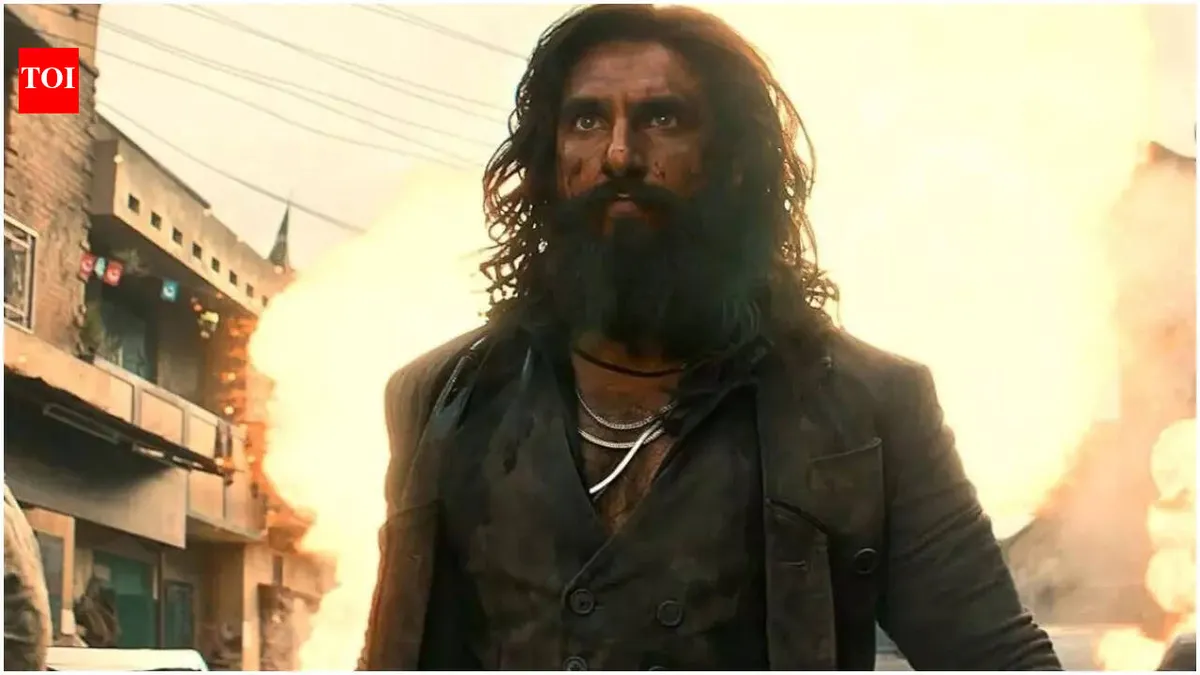
In the world of cinema, the line between fiction and reality often blurs, and the film Dhurandhar is no exception. With its gripping narrative and complex characters, many viewers are left pondering: Is Dhurandhar a real story? The film, particularly its sequel Dhurandhar 2, draws heavily from real-life geopolitical events and conflicts in India and Pakistan, making it a fascinating subject for discussion.
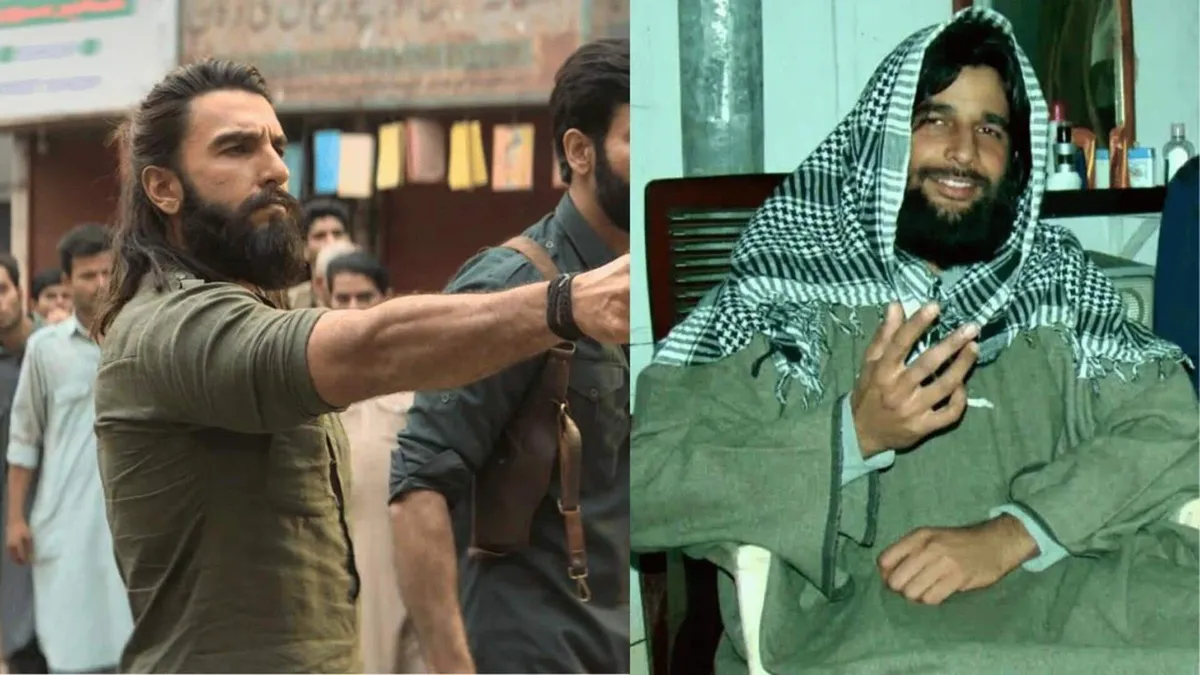
At the heart of Dhurandhar 2 lies the character of Major Iqbal, who is based on the infamous Ilyas Kashmiri, a figure linked to the 26/11 Mumbai attacks. This connection adds a layer of authenticity to the film, as it reflects the harsh realities of terrorism and its impact on society. The film also introduces SP Chaudhry Aslam, a character inspired by a real-life police officer who tragically lost his life in a suicide car bombing, further emphasizing the stakes involved in the narrative.
As viewers delve deeper into the plot, they encounter Ajay Sanyal, modeled after Ajit Doval, India’s National Security Advisor. The inclusion of such prominent figures in the storyline not only enhances the film’s credibility but also raises questions about the portrayal of real-life events in popular media. The character of Jameel Jamali, based on former National Assembly member Nabil Gabol, adds another dimension to the political landscape depicted in the film.
Moreover, the film does not shy away from depicting notorious figures like Uzair Baloch, a real gangster, and Bade Sahab, based on the infamous Dawood Ibrahim. These characters serve to illustrate the darker undercurrents of crime and corruption that plague both nations. The deaths of several characters, including Azam Cheema and Sajid Mir, are rooted in actual events, grounding the film in a reality that many would prefer to forget.
Interestingly, the plot of Dhurandhar 2 intertwines with significant historical events, such as the 2016 Indian banknote demonetization, which is linked to the protagonist Hamza’s mission. This connection to real-world occurrences not only enhances the film’s narrative but also invites viewers to reflect on the implications of such policies on everyday life.
The first installment, Dhurandhar 1, is inspired by the 1999 Kandahar Hijack, showcasing the filmmakers’ penchant for drawing from pivotal moments in history. The sequel continues this trend, loosely inspired by the 2014 Indian general elections, further illustrating the filmmakers’ commitment to intertwining fiction with reality.
As audiences engage with the film, they are left to grapple with the complexities of its narrative and the real-life figures it portrays. The question of whether Dhurandhar is a true story remains open-ended, as it artfully weaves fact and fiction into a compelling tale. Details remain unconfirmed, but the film undoubtedly serves as a reflection of the turbulent geopolitical landscape that shapes the lives of many.
In a world where stories often reflect the harsh truths of reality, Dhurandhar stands out as a poignant reminder of the narratives that define our times. As viewers continue to dissect its layers, the film invites a deeper understanding of the events that inspired it, leaving an indelible mark on the landscape of Indian cinema.