Escalation of the Conflict
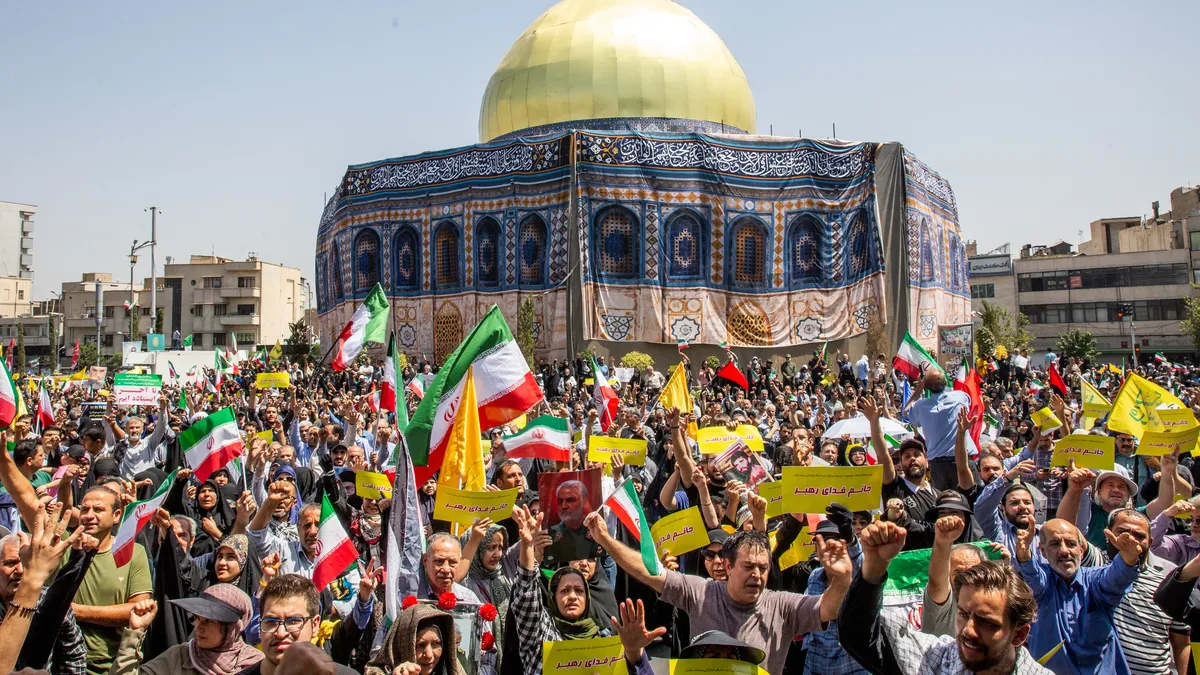
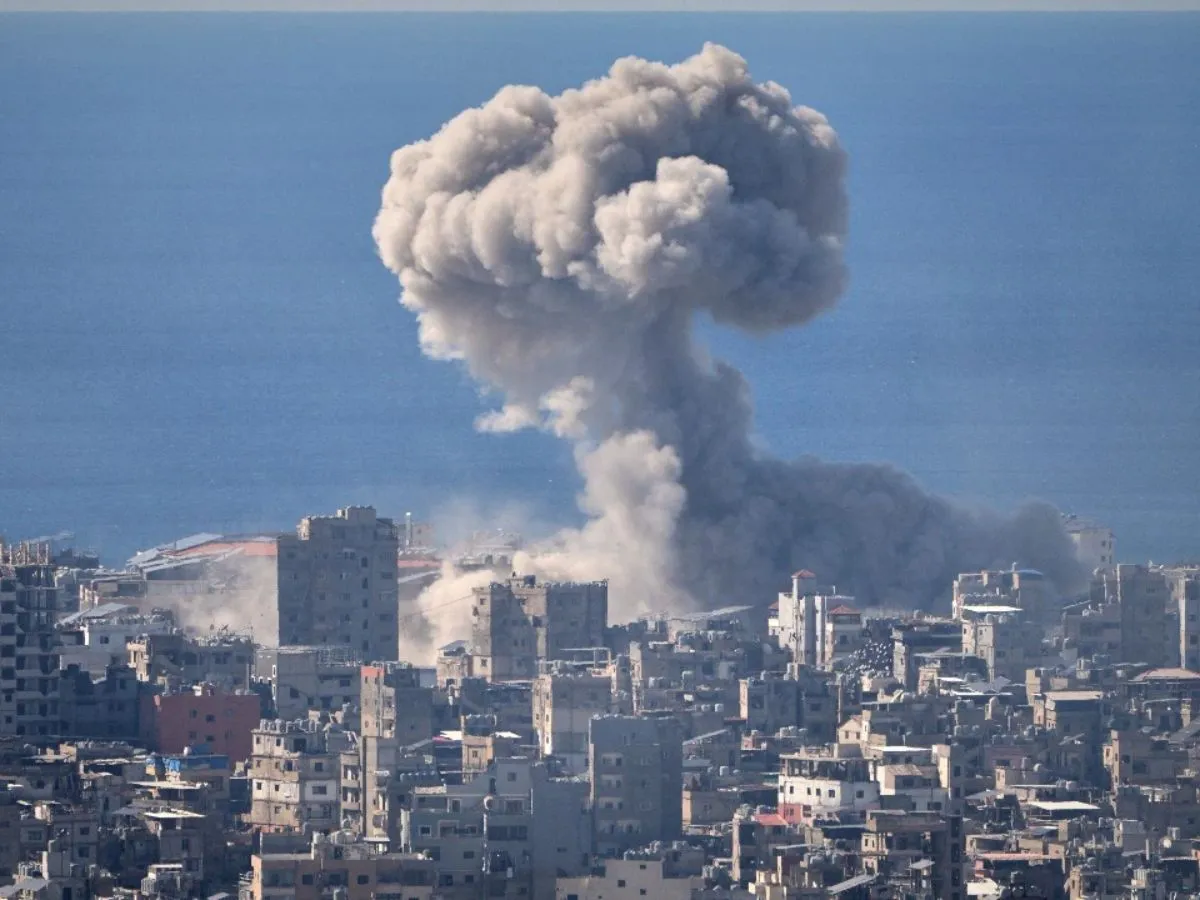
On March 11, 2026, the ongoing conflict involving Iran, Israel, and the United States has reached a critical juncture. The war, which began on February 28, 2026, following the assassination of Iran’s Supreme Leader and several top officials, has led to significant civilian casualties and widespread destruction of infrastructure in Iran.
Iran’s Conditions for Peace
In a recent statement, Iran’s President Masoud Pezeshkian outlined three conditions necessary to end the war: recognition of Iran’s rights, compensation for war damage, and guarantees against future attacks. Pezeshkian emphasized that military pressure alone will not bring about a resolution, stating, “The only way to end this war — ignited by the Zionist regime and U.S. — is recognising Iran’s legitimate rights, payment of reparations, and firm international guarantees against future aggression.” This marks a significant moment in the conflict as Iran seeks to shift the narrative towards a diplomatic resolution.
Military Threats and Regional Implications
Iran’s military officials have issued stern warnings regarding the potential consequences of attacks on its ports, asserting that such actions could trigger a wider regional response. Abolfazl Shekarchi, a military spokesperson, declared, “If our ports and docks are threatened, all ports and docks in the region will be our legitimate targets.” This statement underscores the heightened tensions in the region and the potential for escalation beyond the current conflict.
Impact on Civilian Life and Economy
The ongoing war has exacerbated Iran’s already struggling economy, which is further strained by international sanctions. Reports indicate that the conflict has resulted in significant civilian casualties, raising concerns about humanitarian conditions within the country. As the situation unfolds, the price of Brent crude has surged to $100 per barrel, reflecting the conflict’s impact on global energy markets and shipping routes.
International Reactions
Israeli officials have expressed skepticism regarding the potential for the war to lead to the collapse of Iran’s political system, despite the military pressure being exerted. This perspective highlights the complexities of the conflict and the differing views on its potential outcomes. Meanwhile, Iranian officials have reiterated their openness to peace, provided that the damage caused by the conflict is adequately addressed.
Wider Context of the Conflict
The conflict has escalated tensions in the Middle East, affecting not only the involved nations but also global shipping routes and energy markets. As the situation develops, the international community is closely monitoring the events, with calls for a diplomatic resolution becoming increasingly urgent.
Future Developments
As the war continues, the focus remains on the conditions set by Iran for peace and the responses from Israel and the United States. The international community’s role in facilitating dialogue and addressing the humanitarian crisis will be critical in the coming days. Details remain unconfirmed regarding the next steps from the involved parties, but the urgency for a resolution is palpable.