Overview of the Situation
Before the earthquake on March 3, 2026, southern Iran was already recognized as a seismically active region, particularly within the Zagros seismic belt. This area has a long history of tectonic activity due to the collision of the Arabian and Eurasian plates, leading to frequent seismic events.
The Earthquake Event
On that day, an earthquake measuring 4.3 in magnitude occurred near the city of Gerash, at a depth of approximately 10 kilometers. The epicenter was located about 52 kilometers northwest of Gerash city, specifically near the Khonj area of the Gerash region.
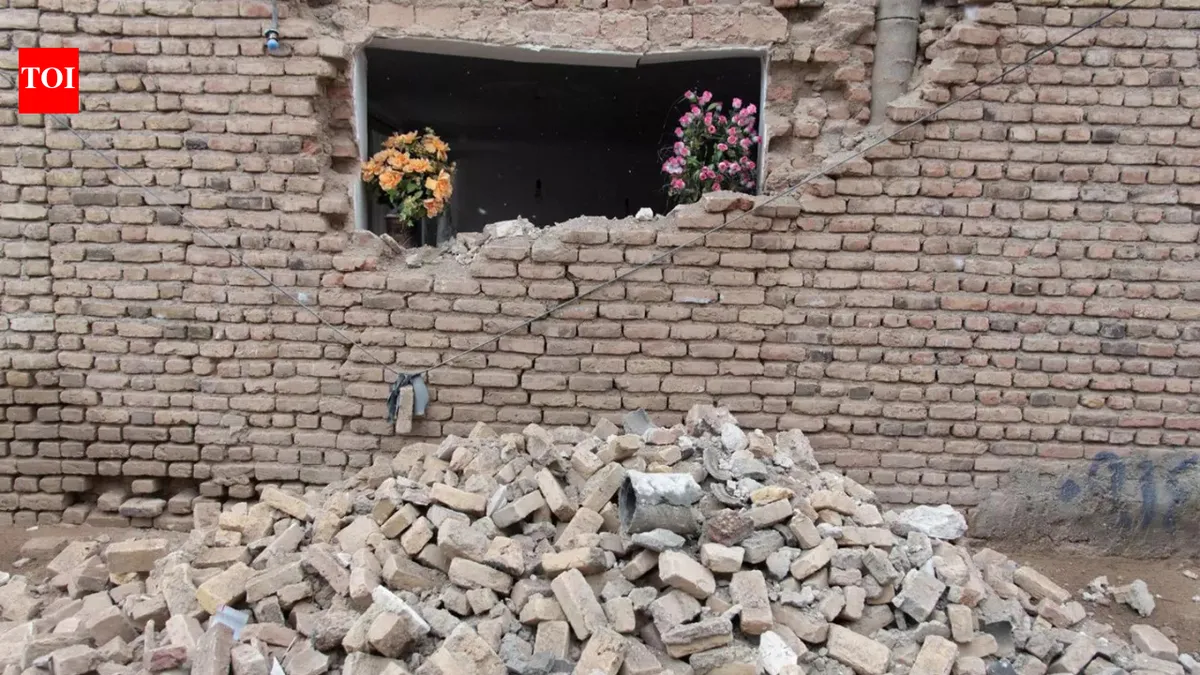
Fortunately, no serious damage or casualties have been reported following the tremors, which were felt mainly in rural areas. Local authorities have reported that the situation remains normal, and routine inspections are being conducted as a precautionary measure.
Expert Perspective
Experts note that while southern Iran is accustomed to seismic activity, the absence of significant damage in this instance is a positive outcome. The region’s preparedness for earthquakes, including regular safety inspections, likely contributed to the lack of serious consequences.
Uncertainties
Despite the clarity surrounding the earthquake’s impact, details remain unconfirmed regarding speculation that the tremor could have resulted from an underground nuclear test. As investigations continue, authorities are focused on ensuring the safety of residents in the affected areas.