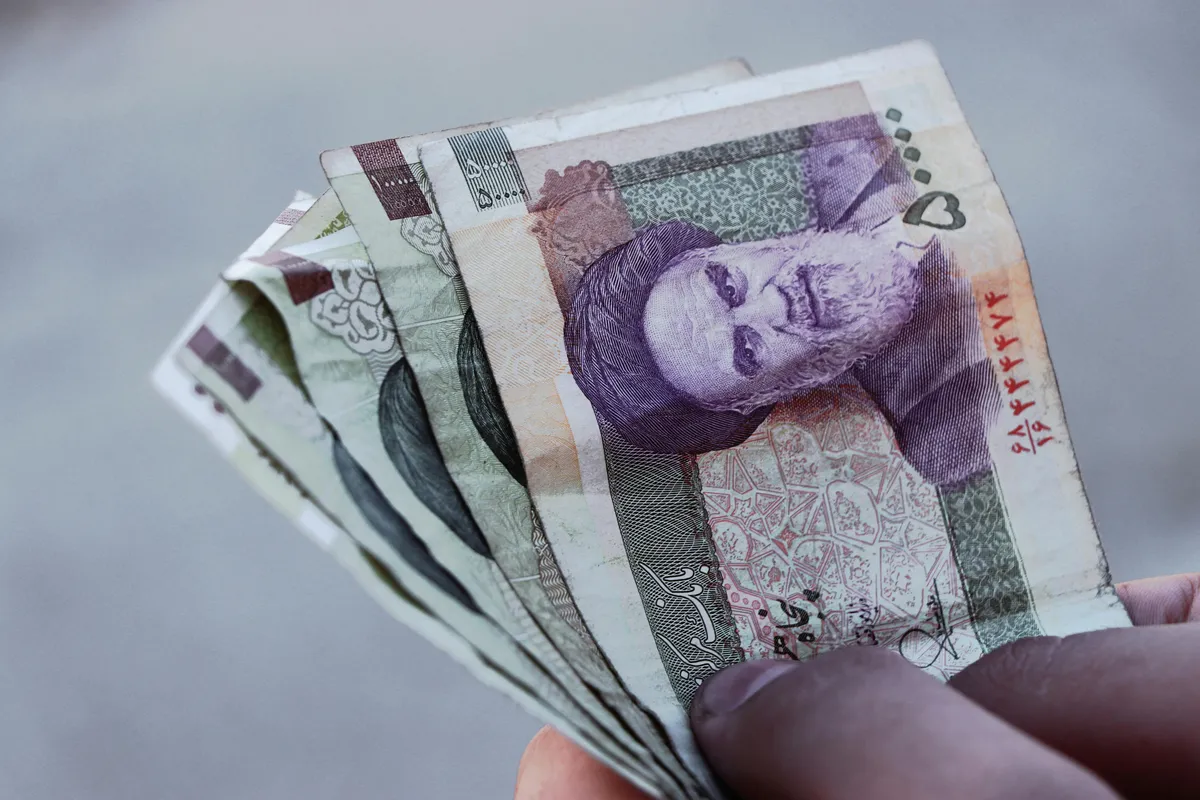
The Iran currency is facing significant pressure as geopolitical tensions in the Middle East escalate. The dollar has shown slight strengthening, reflecting the market’s response to ongoing conflicts, particularly between the U.S. and Iran.
On March 24, the won/dollar exchange rate closed at 1,495.2 won, marking a decrease of more than 20 won from the previous day. This drop is notable as it is the first time in four days that the exchange rate has closed below 1,500 won, which had been a threshold the currency struggled to maintain.
Just a day prior, the won/dollar exchange rate peaked at 1,517.3 won, the highest level in over 17 years, highlighting the volatility that has characterized the market recently. The KOSPI index also reflected this instability, closing at 5,553.92 points on March 24, up 148.17 points or 2.74% from the previous trading day.
The fluctuations in the won against the dollar are indicative of broader economic concerns, as Goldman Sachs has recently lowered its growth forecast for India in 2026 to 5.9 percent, citing significant currency depreciation as a contributing factor.
As the dollar index shows modest gains amid volatile oil prices and geopolitical tensions, the market is grappling with uncertainty. Observers are particularly attentive to how these developments will impact the Iran currency and the overall economic landscape.
Details remain unconfirmed regarding the long-term implications of these currency fluctuations, but the situation continues to evolve as global markets react to the ongoing conflict.