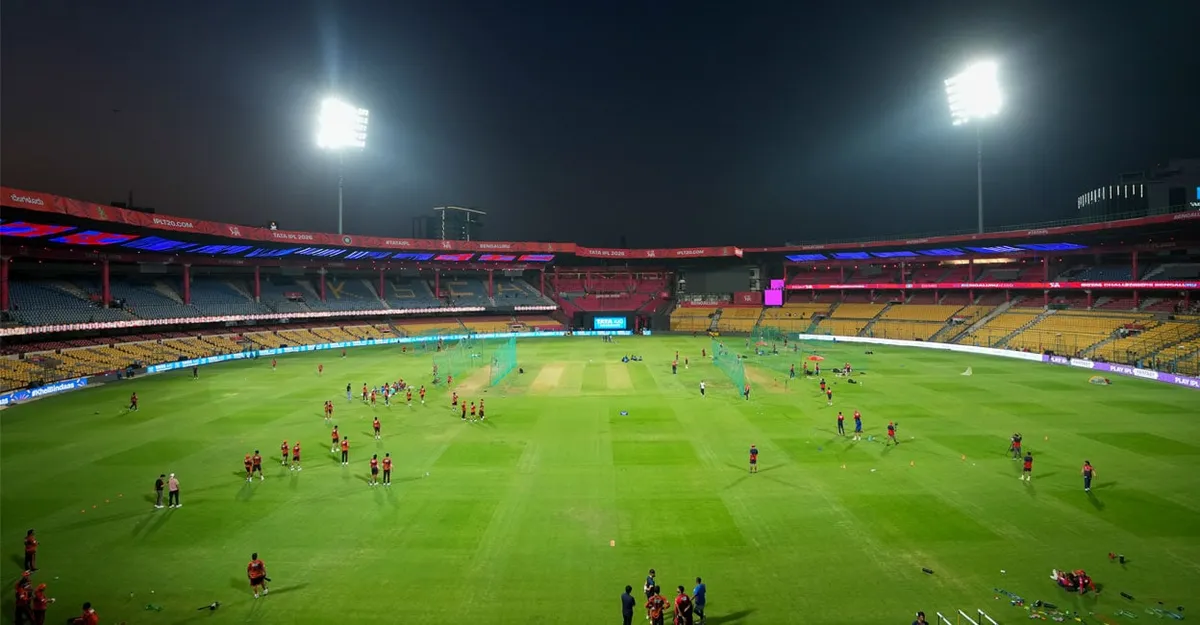
The Indian Premier League (IPL) is witnessing a significant stir as Karnataka Congress MLAs are demanding VIP tickets for the upcoming matches. This demand has gained traction with the support of Karnataka Deputy Chief Minister DK Shivakumar, who emphasized that the MLAs have the right to such privileges as part of the government.
Shivakumar stated, “The MLAs have the right because they are part of the government,” highlighting the expectation of access to special accommodations during high-profile events like the IPL.
This push for VIP tickets comes at a time when the IPL is undergoing notable changes, particularly with the ownership of teams such as Rajasthan Royals and Royal Challengers Bangalore (RCB). These changes are expected to have financial implications not just for the teams but also for the Board of Control for Cricket in India (BCCI).
The BCCI is set to benefit from these ownership transitions, receiving 5% of the total transfer value, which is estimated to bring in revenue between ₹1,550 crore and ₹1,583 crore. This financial influx could significantly impact the league’s operations and future investments.
As the IPL continues to grow in popularity and financial stature, the intersection of politics and sports governance becomes increasingly evident. The demands from the Karnataka Congress MLAs reflect a broader trend where political figures seek to leverage their positions for access to popular events.
While the demand for VIP tickets is a relatively minor issue in the grand scheme of the IPL, it underscores the complexities of governance in sports. The implications of such demands could ripple through the league, influencing how teams and the BCCI navigate their relationships with local governments.
Details remain unconfirmed regarding the final arrangements for ticket allocations and how the BCCI will respond to the political pressure from the Karnataka government. As the IPL season approaches, all eyes will be on how these dynamics unfold.
With the IPL set to captivate millions, the interplay between politics and sports governance will be closely watched, raising questions about the future of such demands and their acceptance in the realm of professional sports.