Introduction
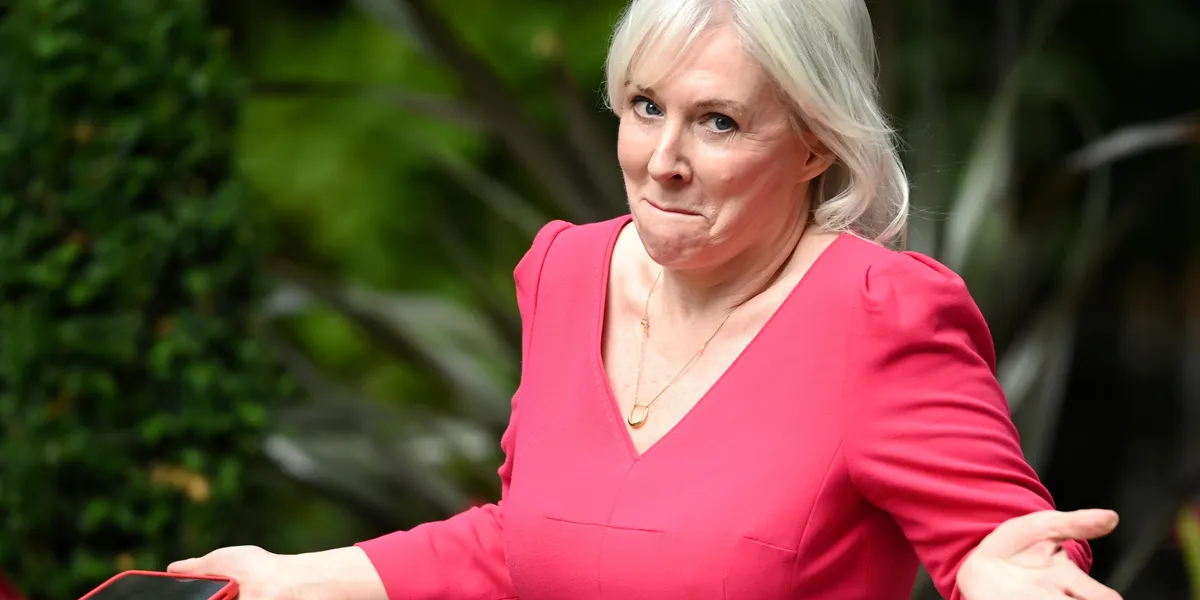
Nadine Dorries, a prominent figure in British politics, has been making headlines recently due to her outspoken views and evolving role within the Conservative Party. As a former Culture Secretary, her opinions often generate mixed reactions, making her a key player in the current political discourse. Understanding her actions and statements is vital for those following UK politics, particularly as it approaches a contentious election period.
Recent Events and Developments
In late 2022, Nadine Dorries announced her decision not to seek re-election as MP for Mid Bedfordshire, a move that surprised many observers. Her departure from frontline politics has opened discussions about her future in media and public life. Notably, Dorries, known for her regular appearances on talk shows and panels, has maintained a strong presence in the media landscape, critiquing both current government policies and opposition responses.
The announcement came amid a backdrop of significant political upheaval within the Conservative Party, with Prime Minister Rishi Sunak facing challenges from within his party. Dorries’ departure signals a shift as younger politicians rise to prominence, and her comments have urged for a renewed focus on the party’s core values, especially concerning culture and community.
Public Reaction and Significance
Dorries has been a polarising figure; supporters praise her for her candidness, while critics often question her methods. Her recent statements on social media about national issues reflect the ongoing debates within the UK regarding free speech, social values, and the role of government. The attention she garners showcases the continuing relevance of strong personalities in shaping political narratives.
As the political environment in the UK evolves, observers are keen on what comes next for Dorries. Will she leverage her media presence to influence public opinion further, or will she pivot towards a different path in her career? Given her historical connections and passion for public service, her next steps will undoubtedly impact both her followers and the wider political landscape.
Conclusion
Nadine Dorries remains a significant figure in British politics, and her recent moves have opened doors for discussions about the future direction of the Conservative Party and UK politics overall. As she transitions from her role as an MP, the implications of her choices will likely resonate within the party and beyond. Observers should monitor her influence in the media and any new initiatives she undertakes, as they may foreshadow shifts in public sentiment leading up to the next general elections. Understanding her journey may provide insight into the political undercurrents shaping the UK in the coming years.