The Growing Concern Over Traffic Congestion
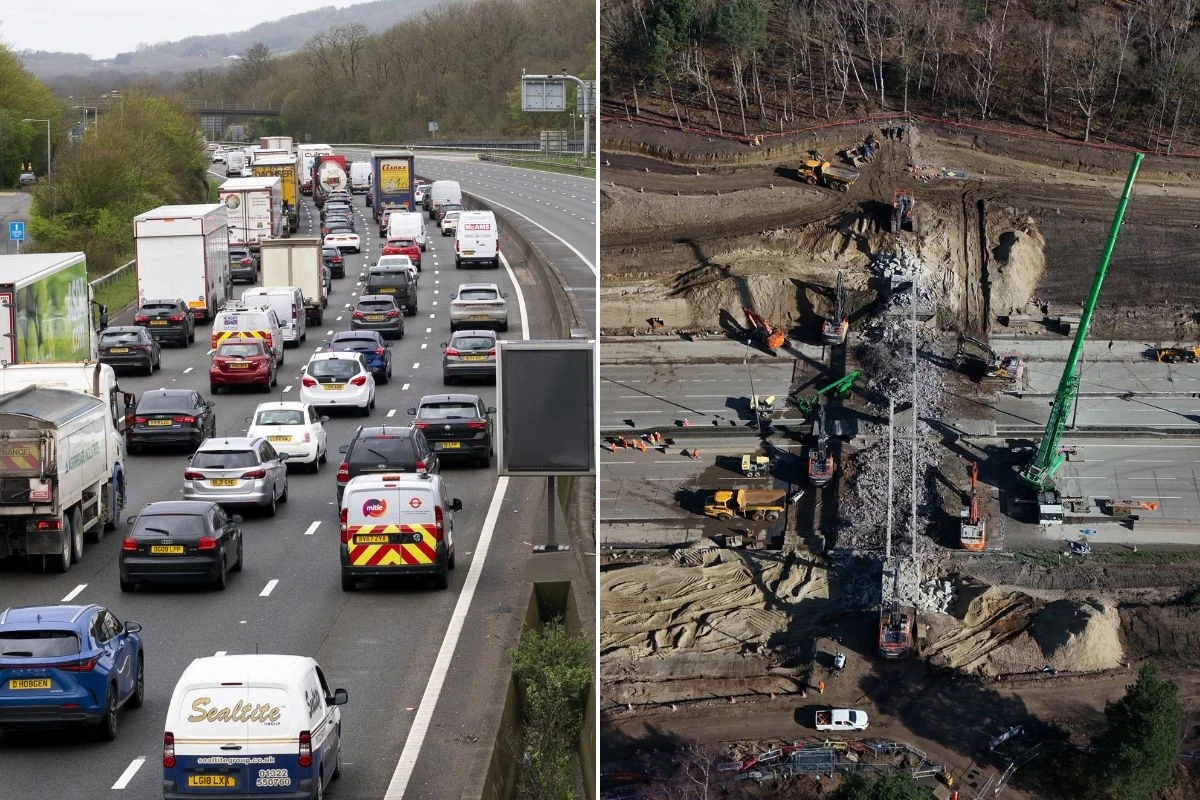
Traffic congestion has become a critical issue in urban areas worldwide, exacerbating travel times, increasing emissions, and leading to frustrations among commuters. With cities growing and populations expanding, effective traffic management solutions are more important than ever. Recent studies show that traffic congestion costs the UK economy billions annually, highlighting the urgent need for innovative strategies.
Recent Developments in Traffic Management
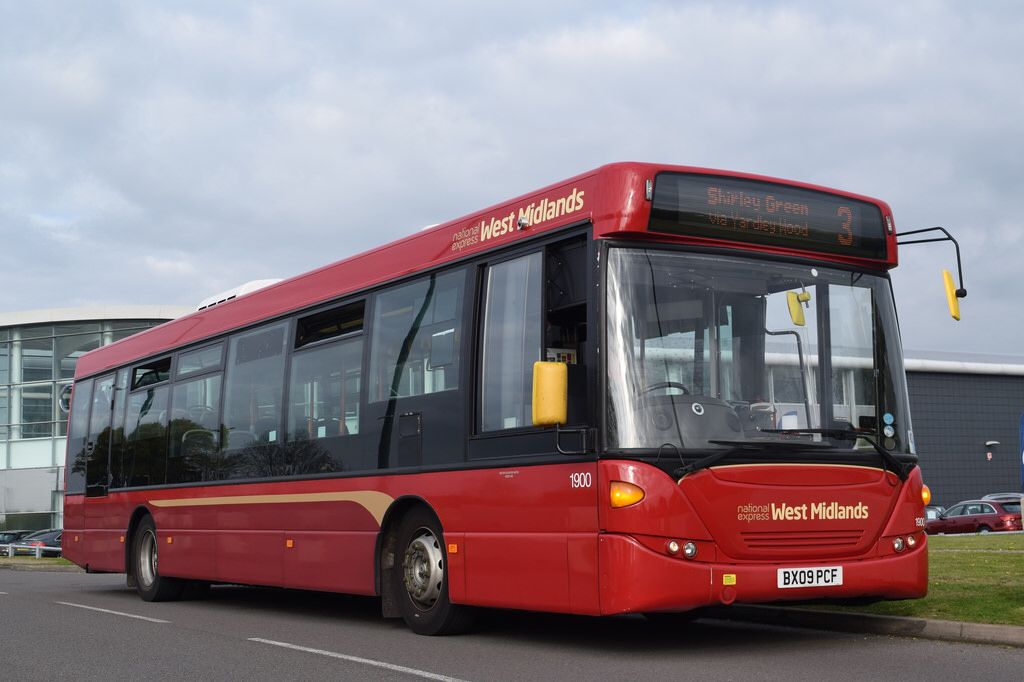
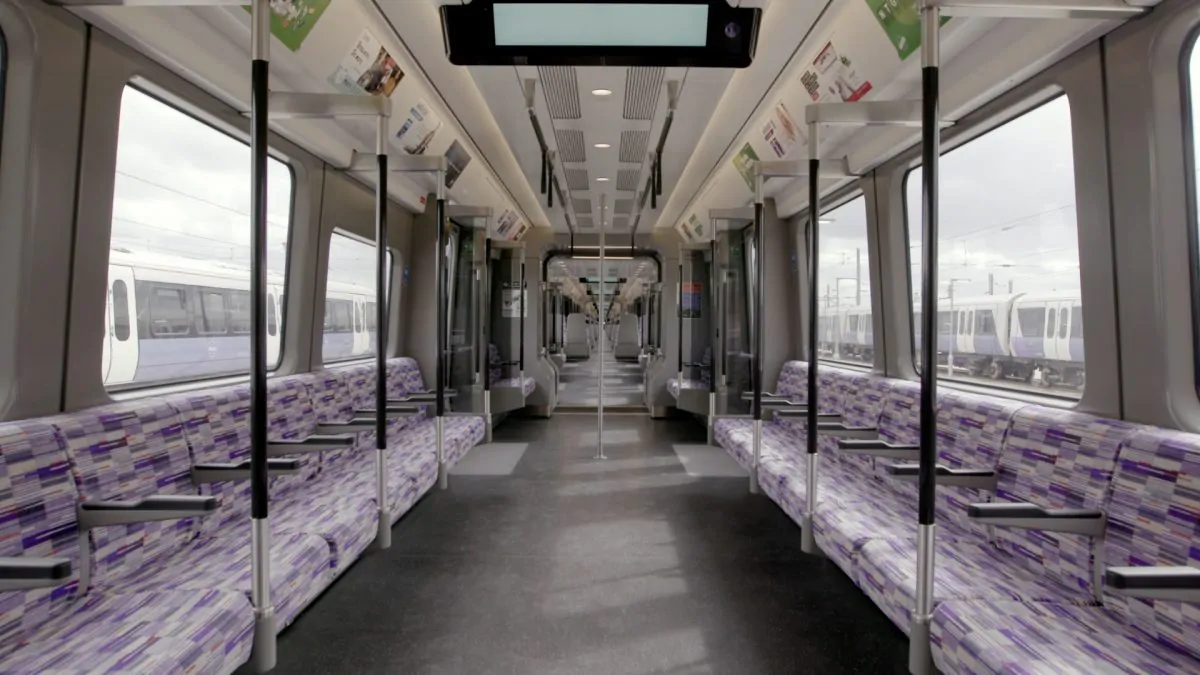
In response to this challenge, cities like London, Manchester, and Birmingham are implementing a range of technological solutions. For example, London has introduced smart traffic signals that adjust their timings based on real-time traffic flow, significantly improving the efficiency of road usage. Similarly, Manchester has rolled out an integrated transport network that combines public transport options with real-time traffic updates, encouraging commuters to access alternate modes of travel.
Furthermore, the use of data analytics and artificial intelligence is on the rise, enabling cities to better predict traffic patterns and manage their road infrastructure more effectively. Companies such as INRIX and TomTom are providing real-time traffic information to help drivers make informed decisions about their routes, thereby reducing congestion.
Community Involvement and Public Awareness
Alongside technological advancements, community engagement has become a vital component in traffic management. Local authorities are increasingly involving residents in traffic planning and decision-making, allowing for tailored solutions that reflect the unique needs of different areas. Initiatives like ‘car-free days’ and ‘bike to work’ campaigns encourage sustainable transport choices and foster a culture of shared responsibility amongst commuters.
Looking Ahead: The Future of Traffic Management
The future of traffic management is set to evolve with advancements in autonomous vehicle technology. Understanding the potential impact of self-driving cars on road congestion could lead to even more significant shifts in traffic management strategies. As urban planners continue to address challenges, the incorporation of green spaces, walking paths, and cycling lanes will play an integral role in shaping sustainable urban transport systems.
Conclusion
In conclusion, as cities develop and populations continue to grow, traffic congestion will remain a pressing issue. However, the ongoing development and implementation of innovative traffic management solutions signal a hopeful future for urban commuters. By leveraging technology and fostering community involvement, cities can build more efficient, safer, and sustainable transport networks. The significance of this challenge cannot be overstated, as effective traffic management not only enhances daily commutes but also contributes positively to the environment and overall quality of life.