Reaction from the field
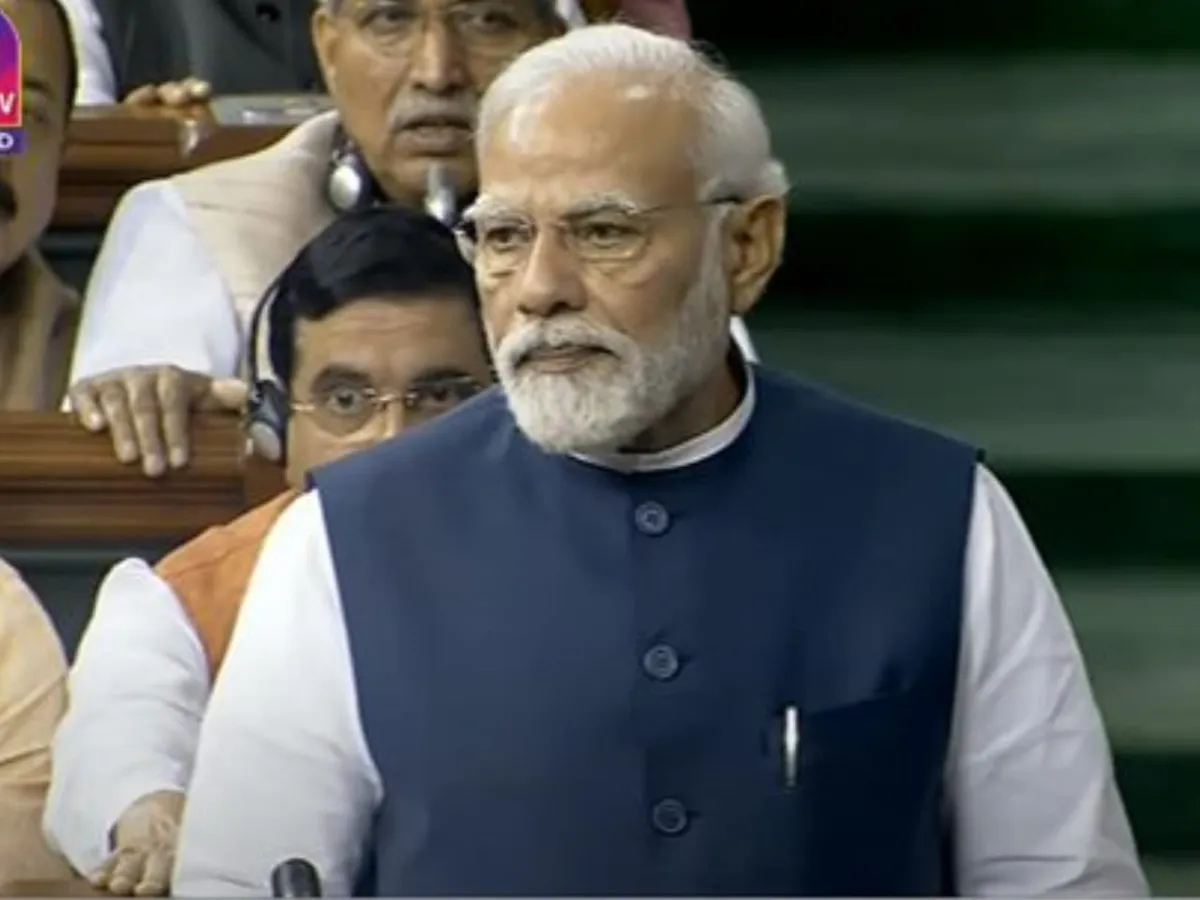
In a pivotal moment for India, Prime Minister Narendra Modi has underscored the nation’s resilience amid global tensions, particularly in West Asia. His assertion that India’s diplomatic approach showcases its strength in fostering relationships and managing crises effectively resonates deeply in a world fraught with uncertainty. This commitment to international cooperation is paralleled by a robust domestic agenda aimed at addressing climate change and enhancing governance.
The Indian government has set ambitious targets to combat climate change, committing to a 47 percent reduction in emissions intensity of its GDP by 2035 from 2005 levels. This commitment is part of a broader strategy to transition towards sustainable energy sources, with a goal of achieving 60 percent cumulative electric power installed capacity from non-fossil fuel-based energy resources by 2035. Such measures reflect a growing recognition of the urgent need to address environmental challenges while fostering economic growth.
In addition to these targets, India aims to create a substantial carbon sink of 3.5 to 4.0 billion tonnes of CO₂ equivalent through forest and tree cover by 2035. This initiative not only aims to mitigate climate change but also seeks to enhance biodiversity and improve air quality across the nation. The Union Cabinet has already approved India’s Nationally Determined Contribution (NDC) for the period 2031 to 2035, marking a significant step in the country’s climate action journey.
However, alongside these environmental commitments, the Indian government is also tightening its grip on the non-governmental sector. The Foreign Contribution (Regulation) Amendment Bill, 2026, is set to enhance government oversight of NGOs, which play a crucial role in social and environmental advocacy. Approximately 16,000 NGOs operate under the FCRA, receiving about ₹22,000 crore ($2.6 billion) in foreign contributions annually. This bill aims to ensure that foreign funding is utilized appropriately, with the government stating, “The Modi government will not tolerate any misutilisation of foreign funding and will take strong action against such elements,” as articulated by Nityanand Rai.
The proposed legislation allows the government to assume control of the assets of NGOs whose FCRA registration is revoked or not renewed. This move has raised concerns among many advocates who fear it could stifle dissent and limit the crucial work that NGOs perform in various sectors, including environmental protection and human rights. The maximum jail term for violations of the FCRA has also been reduced from five years to one, indicating a shift towards more stringent regulatory measures.
As India navigates these dual paths of climate action and governance reform, the implications for civil society and environmental sustainability are profound. The government’s proactive stance on climate change is commendable, yet the tightening of regulations on NGOs raises questions about the balance between oversight and freedom of expression. The landscape of civil society in India may be on the brink of significant transformation, with both opportunities and challenges ahead.
Details remain unconfirmed regarding the full impact of these regulatory changes on the operations of NGOs and their ability to advocate for environmental and social issues. As the government continues to implement its climate strategies and governance reforms, the coming months will be critical in determining how these initiatives will unfold and what further developments may arise in this evolving narrative.