New Routes for Russian Oil
“Took the 47km route instead of 23km to avoid traffic in Bengaluru,” said Shravika Jain, illustrating the lengths to which residents go to navigate the bustling city. This anecdote reflects broader changes in the geographical and logistical landscape of India, particularly in relation to the global oil market.
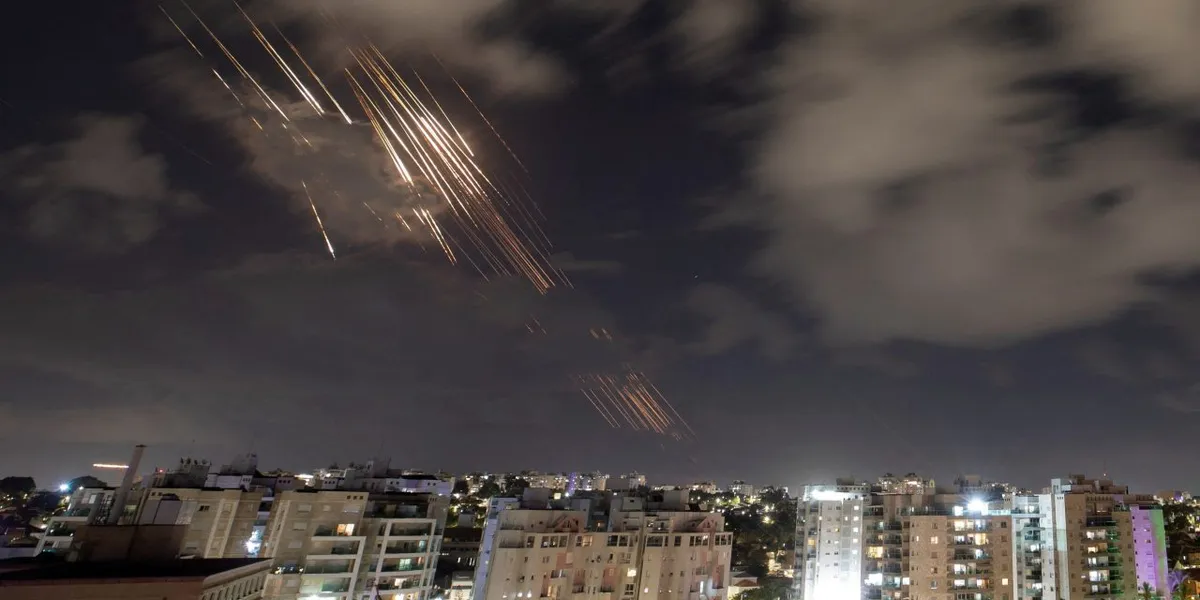
Currently, 15 to 20 million barrels of Russian Urals and Sokol grade crude are sitting on tankers in the Indian Ocean and South China Sea. This situation is a direct response to the ongoing volatility in the Persian Gulf, exacerbated by the Iran-Israel conflict, which has led to a significant redrawing of the global oil map.
Russian crude is trading at a $15–$20 discount per barrel compared to Brent prices, making it an attractive option for Indian refiners. These refiners have optimized their plants to process heavier Russian grades, further integrating this resource into the Indian market.
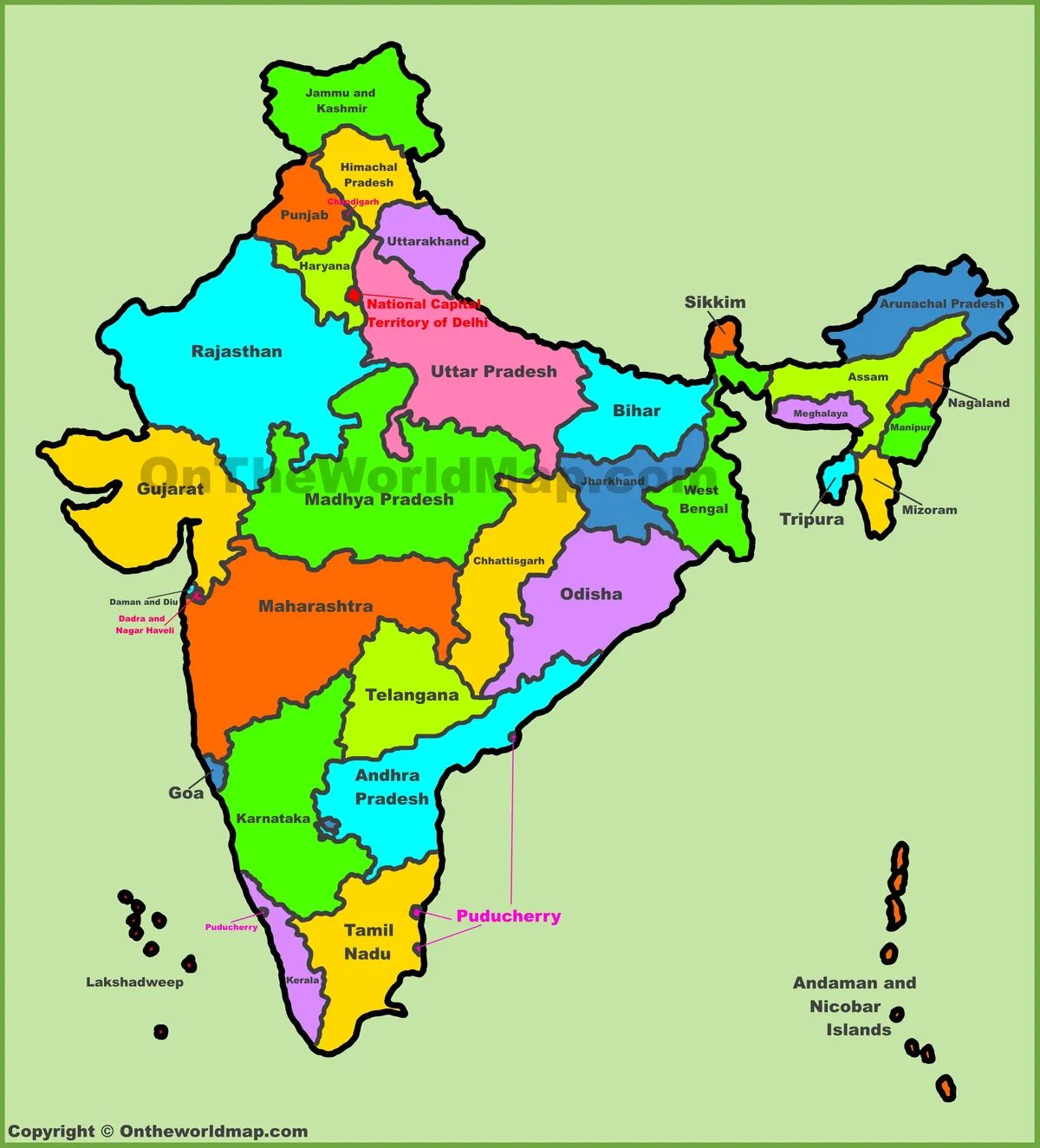
As Russian oil increasingly takes the Northern Sea Route or traverses the Cape of Good Hope to reach India’s West Coast, the implications for trade routes and energy security are profound. The evolving dynamics of the oil market are reshaping the India map in both economic and logistical terms.
Innovative Technologies for the Visually Impaired
In a different context, the India map is also being redefined through technology aimed at enhancing accessibility. At a national conference at IIT Hyderabad, assistive devices for visually impaired learners were demonstrated, including the innovative ‘Phonic Labeller.’ This device helps blind students identify locations on maps through audio, marking a significant step forward in educational inclusivity.
These advancements not only reflect a commitment to improving the lives of visually impaired individuals but also signify a broader recognition of the importance of accessibility in education and public resources.
As India continues to navigate both its energy needs and the integration of assistive technologies, the changes in the India map are indicative of a nation adapting to new challenges and opportunities. The interplay between resource management and technological innovation will likely shape future developments in the country.
Details remain unconfirmed regarding the full impact of these changes, but the ongoing developments in both the oil sector and assistive technologies suggest a transformative period for India’s geographical and social landscape.