Who is involved
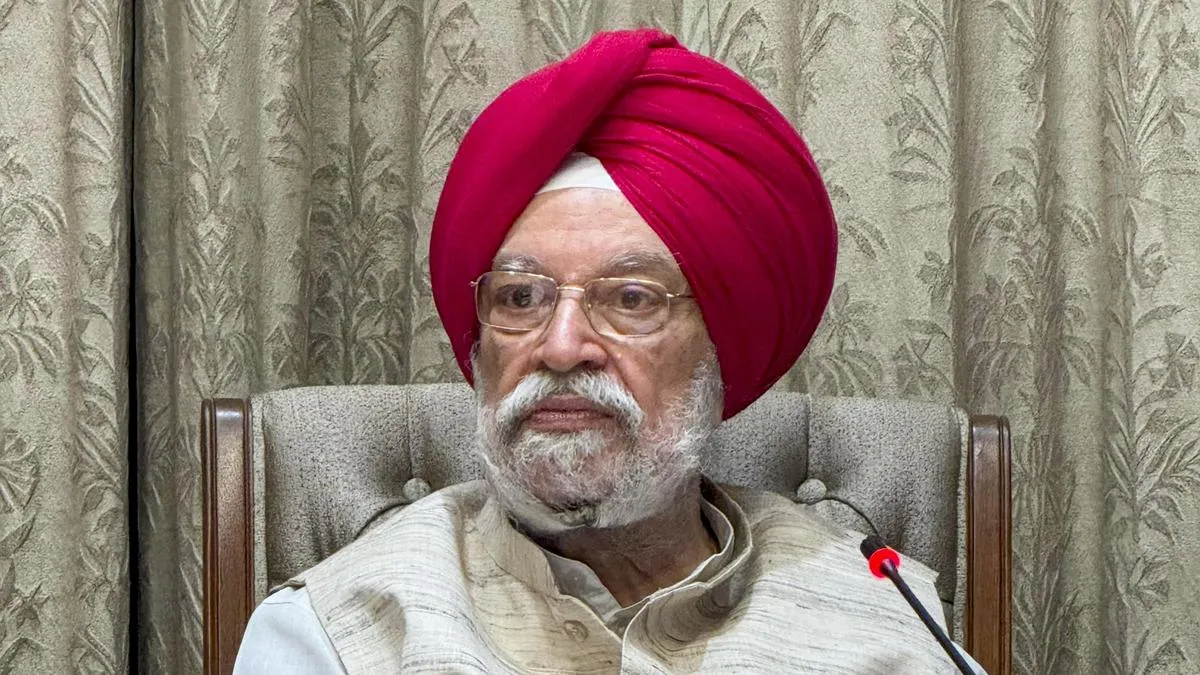
In early 2026, the specter of a lockdown loomed large in the minds of many Indians, echoing the traumatic experiences of 2020 when the nationwide lockdown was announced on March 24. The memories of that time, marked by uncertainty and fear, have resurfaced as rumors began to circulate about a potential new lockdown. However, government officials, including Union Minister Hardeep Singh Puri and Finance Minister Nirmala Sitharaman, have been quick to quell these fears.
Puri stated emphatically, “There shall not be any lockdown,” while Sitharaman reassured the public that there would be no repeat of the previous lockdown measures. This decisive moment came against the backdrop of a world grappling with the ongoing conflict in West Asia, which has raised concerns about supply chains and energy flows. The government’s firm stance reflects a commitment to maintaining stability and continuity in the face of global uncertainties.
As of February 2, 2026, India reported only seven active Covid-19 infections, a stark contrast to the overwhelming numbers seen during the height of the pandemic. The low infection rate has provided a sense of security, allowing the government to focus on economic recovery and resilience-building measures. Prime Minister Narendra Modi highlighted this resilience, stating, “India is therefore accelerating all the resilience-building measures that have been undertaken over the past years.” This statement underscores the government’s proactive approach in navigating the complexities of the current global landscape.
The spike in online searches for “lockdown in India” indicates that the public’s memory of the 2020 lockdown remains vivid. The emotional weight of that experience has not faded, leading to heightened anxiety whenever rumors of restrictions arise. However, officials have dismissed these concerns as baseless, emphasizing their commitment to monitoring the situation closely. Sitharaman’s assertion that “these are baseless” reflects a determination to reassure the public and maintain confidence in the government’s handling of the situation.
In addition to managing public sentiment, the government is also closely tracking developments related to energy supplies and essential commodities. The Strait of Hormuz, a critical route for nearly 20% of the world’s oil and gas supplies, has become a focal point of concern due to the ongoing conflict. Modi warned of serious consequences if global disruptions persist, highlighting the interconnectedness of local and global events.
The government’s proactive measures include ensuring uninterrupted availability of fuel and energy supplies, which is vital for both economic stability and public reassurance. As the world faces uncertainties, India’s ability to navigate these challenges is being put to the test. The resilience demonstrated thus far is a testament to the lessons learned from the past, particularly the harsh realities of the pandemic.
As the situation evolves, the government’s commitment to transparency and communication will be crucial in maintaining public trust. While the immediate threat of a lockdown has been dismissed, the ongoing monitoring of global developments indicates that the government remains vigilant. The balance between safeguarding public health and ensuring economic stability is a delicate one, and the path forward will require careful navigation.
In summary, the current landscape in India reflects a government determined to avoid the mistakes of the past while addressing the realities of a complex global environment. As officials continue to reassure the public, the lessons learned from the 2020 lockdown remain a guiding force in shaping India’s response to future challenges.