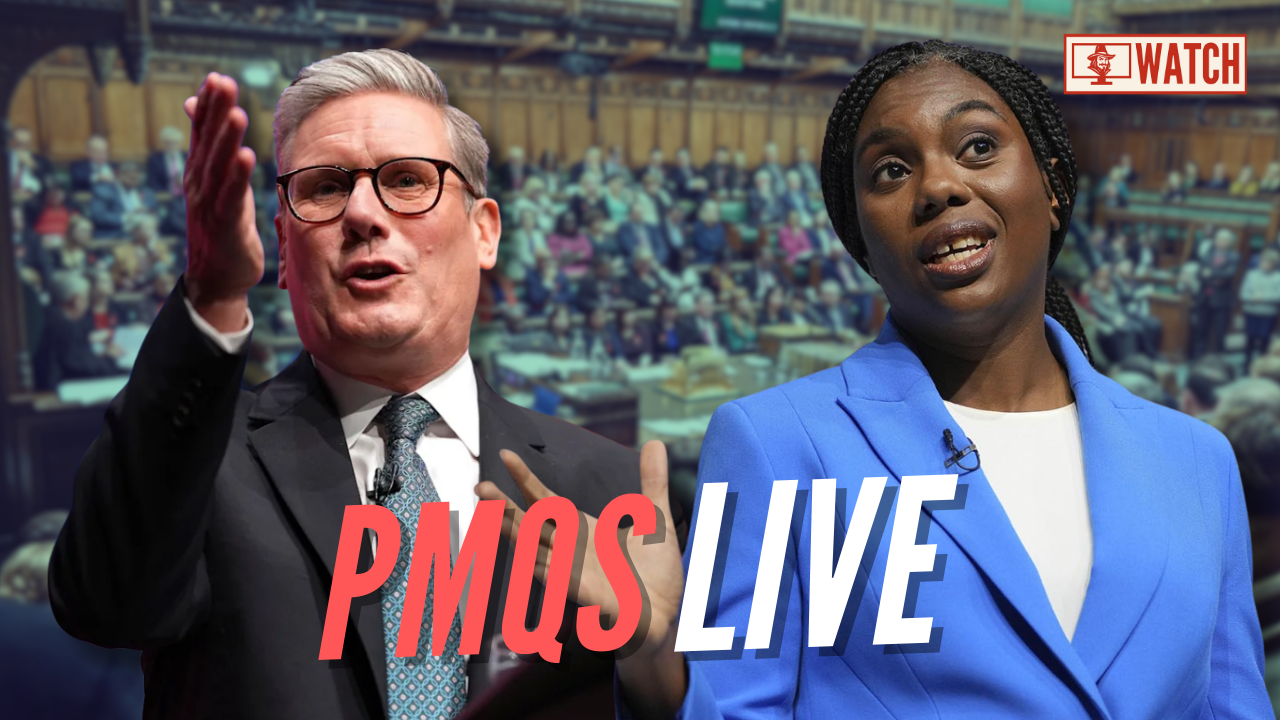
Introduction to PMQs
Prime Minister’s Questions (PMQs) is a weekly parliamentary session in the United Kingdom where MPs have the opportunity to question the Prime Minister about various issues. This event, held every Wednesday, is a vital platform for holding the government accountable and addressing the concerns of the public. The significance of today’s PMQs is accentuated by ongoing debates surrounding economic recovery, healthcare, and international relations, making it a focal point for citizens and policymakers alike.
Key Issues Discussed
During today’s session, Prime Minister Rishi Sunak faced a barrage of questions from opposition leaders and backbenchers alike. Central to the discussions were the following issues:
- Economic Recovery: With the UK economy still navigating the challenges posed by the pandemic, several MPs questioned the effectiveness of current government policies. Questions surrounding inflation rates and fiscal strategies dominated the conversation, with the Prime Minister asserting that the government’s measures are aimed at stabilising the economy and supporting those most affected.
- Healthcare Funding: Following a winter of severe pressures on NHS services, the Prime Minister was grilled about funding allocations for the health sector. Opposition leader Keir Starmer highlighted reports of increasing waiting times and reduced staffing levels. Sunak defended the government’s funding commitments, stating that health service improvements are underway.
- International Relations: Current geopolitics, particularly the situation in Ukraine and the UK’s response to global conflicts, were also hotly debated. MPs questioned the adequacy of the UK’s foreign aid and military support for allies, with the Prime Minister calling for unity and continued commitment to international partnerships.
Conclusion and Future Implications
Today’s PMQs underscored the pressing concerns that remain at the forefront of British politics. As various challenges test the resilience of the government, the accountability presented in this forum is crucial for governance. Looking ahead, the responses and strategies discussed during today’s session may shape public opinion and influence future elections. Voter sentiment regarding the effectiveness of government policies, particularly in key areas like economic recovery and healthcare, will be pivotal as the country moves forward. As citizens digest the information shared during PMQs, it stands as a reminder of the importance of political engagement and the need for transparency in governance.