Introduction
The recent train derailment at Selhurst has raised significant concerns regarding safety and transport reliability in the area. Occurring on the evening of October 15, 2023, this incident has affected both commuter safety and rail services, prompting an urgent investigation into the underlying causes. With thousands relying on this transport link daily, the implications of such derailments can be profound, impacting both local economies and personal journeys.
Details of the Incident
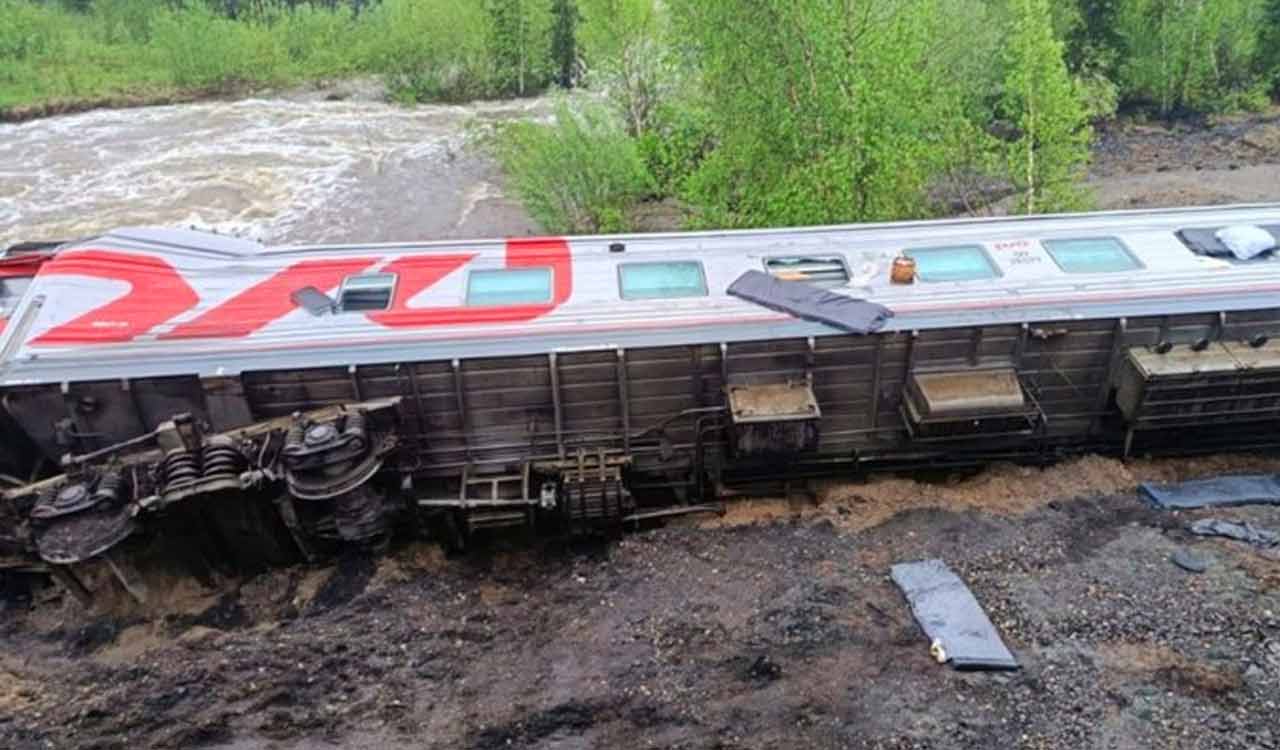
According to eyewitness accounts, the derailment happened during peak hours, resulting in severe delays for commuters travelling towards central London. Emergency services were promptly dispatched to the scene, where they found that multiple carriages had derailed, fortunately without reports of serious injuries. Initial investigations revealed that the train, which was travelling from London Bridge to Croydon, experienced mechanical failure, leading to the derailment.
Network Rail reported that their team was immediately on-site to assess the situation and ensure safety protocols were followed. The area surrounding the derailment was cordoned off, and replacement buses were arranged to assist stranded passengers. By early morning the following day, engineers began the process of clearing the wreckage and assessing damage to the tracks.
Impact on Services
The derailment significantly disrupted service on the Southern Railway line, with many passengers facing lengthy delays as services were temporarily suspended. Commuters were advised to check their travel routes and expect delays for the next several days as regular services were gradually restored. The disruption not only inconvenienced local passengers but also had a ripple effect on the wider transport network in Southern England.
Conclusion
The Selhurst train derailment serves as a stark reminder of the importance of railway safety and infrastructure maintenance. Investigations by the Rail Accident Investigation Branch (RAIB) are underway, focusing on mechanical failures and safety compliance measures. As further information becomes available, it is expected that measures will be put in place to prevent future occurrences, ensuring that railway transfers remain a safe and reliable option for all commuters. Stakeholders will be keenly watching how this incident influences policy and safety protocols within the railway system.