“All Hungarians know that this is a shared victory. Our homeland made up its mind. It wants to live again. It wants to be a European country,”
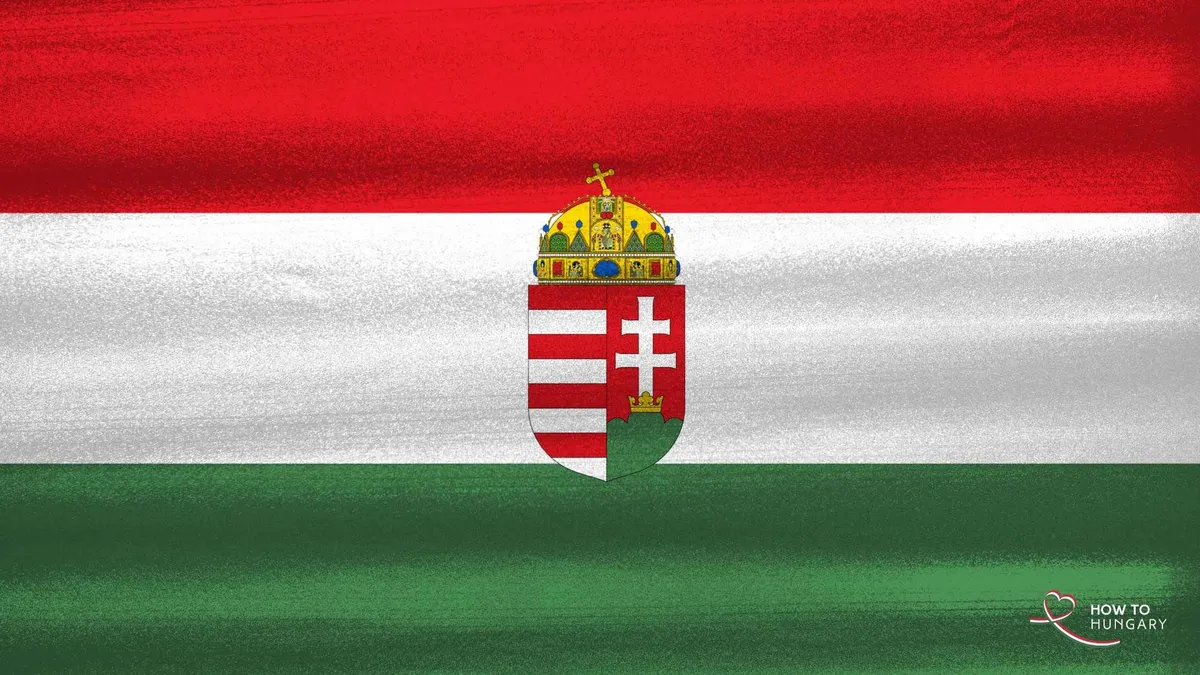
In a stunning electoral upset, Magyar’s party, Tisza, secured over 53% of the vote, decisively ousting Orbán’s Fidesz party, which garnered 37%. The voter turnout was nearly 80%, a record in Hungary’s post-Communist history, indicating a strong desire for change among the electorate. As the results were announced, Orbán conceded defeat, marking a significant turning point in Hungarian politics.
The backdrop to this election was a growing discontent with Orbán’s governance, which had been characterized by controversial policies that many viewed as undermining democratic institutions and distancing Hungary from its European allies. Orbán had been a close ally of both U.S. President Donald Trump and Russian President Vladimir Putin, a stance that had further alienated Hungary from the EU, which had accused his government of authoritarian practices.
Magyar’s campaign focused on corruption and everyday issues such as health care and public transport, resonating with voters who felt neglected under the previous administration. His commitment to rebuilding Hungary’s relationships with the European Union and NATO was a central theme, reflecting a desire to reintegrate Hungary into the European fold. In his victory speech, he emphasized, “Hungary has chosen Europe. Europe has always chosen Hungary. Together, we are stronger,” echoing the sentiments of many EU leaders who congratulated him on his win.
Among those who celebrated Magyar’s victory was European Commission President Ursula von der Leyen, who remarked, “This is a historic moment, not only for Hungary, but for European democracy,” highlighting the broader implications of this election for the EU’s political landscape. The shift in Hungary’s leadership is expected to transform political dynamics within the EU, as Magyar’s administration seeks to mend ties that had frayed under Orbán.
As the dust settles on this historic election, the future of Hungary appears to be on a new trajectory. Magyar’s administration is poised to address the pressing issues that have long been sidelined, with a clear mandate from the electorate to pursue a more collaborative and democratic approach. The international community is watching closely, as the implications of this election extend beyond Hungary’s borders.
In the coming weeks, Magyar is expected to outline his government’s agenda and priorities, with a focus on restoring Hungary’s standing within the European community. The challenges ahead are significant, but the overwhelming support from the electorate signals a collective hope for a brighter future.