The wider picture
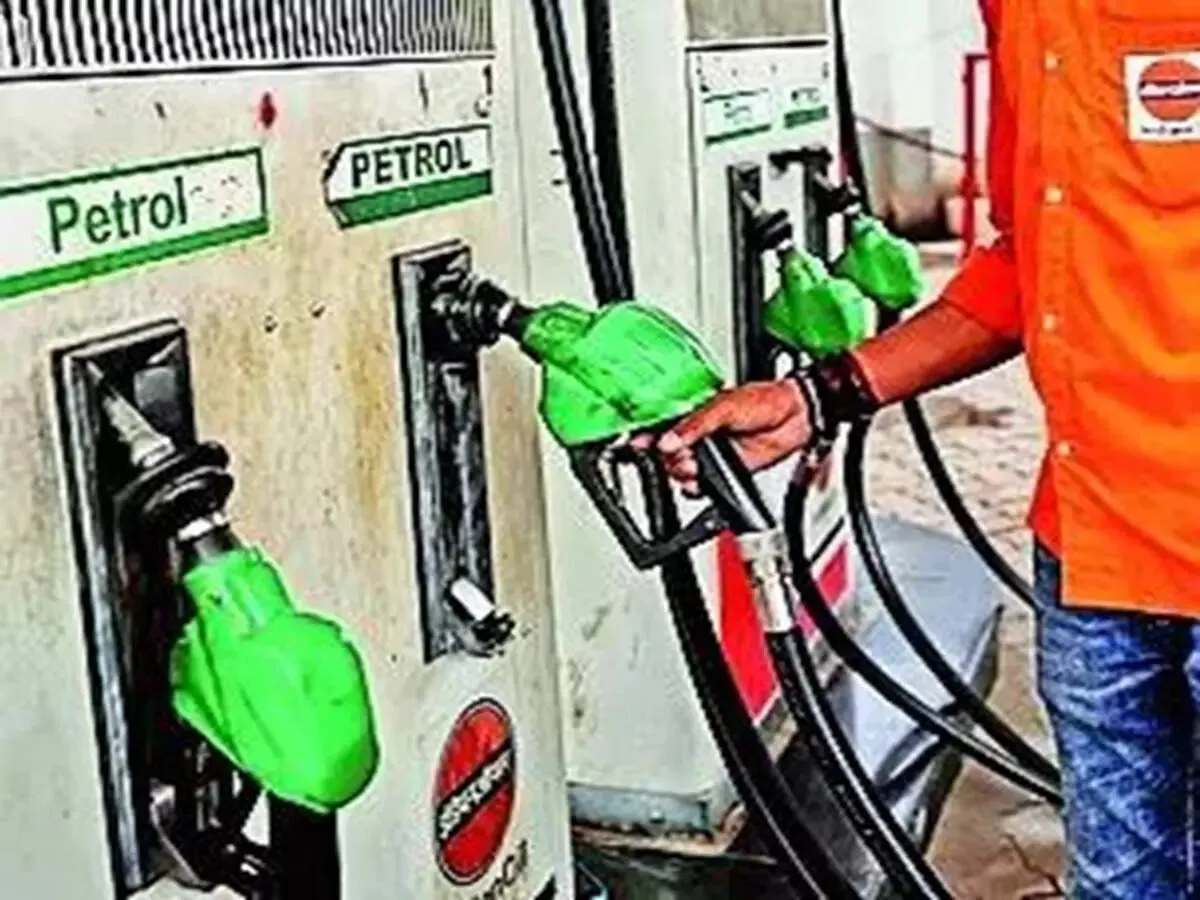
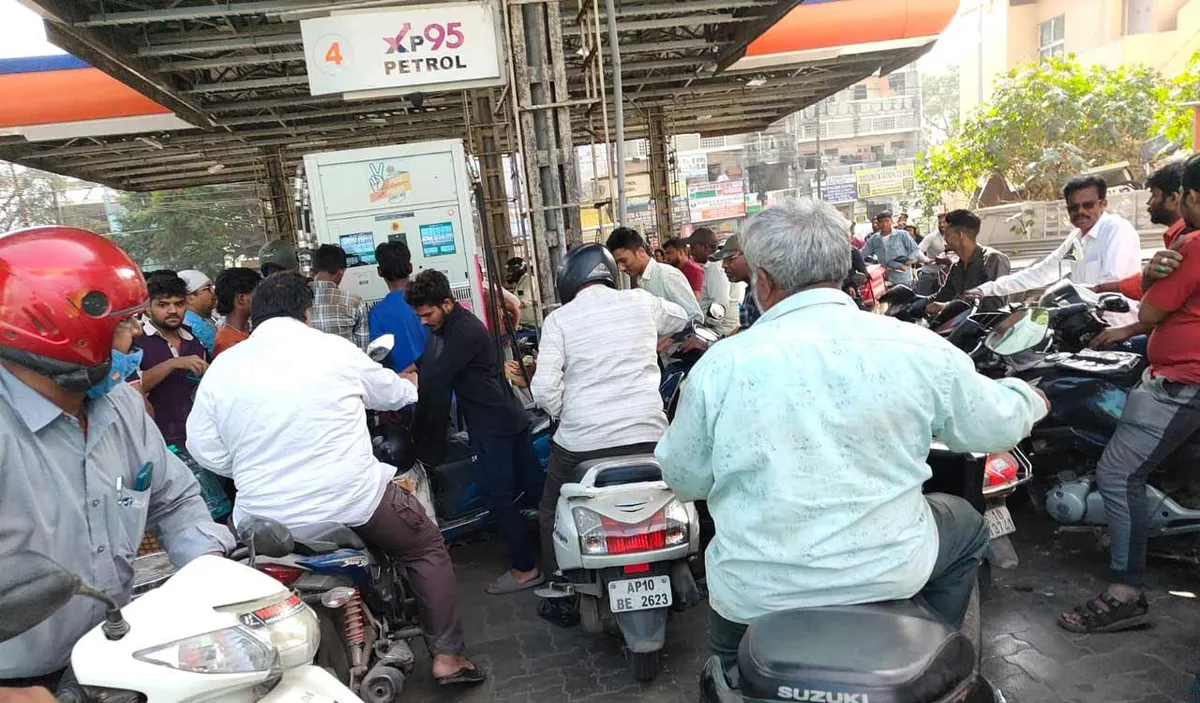
Hindustan Petroleum Corporation Limited (HPCL) has long been a cornerstone of India’s energy sector, operating more than 24,400 fuel stations nationwide. As the world increasingly shifts towards sustainable energy solutions, HPCL has recognized the importance of adapting to these changes. In a bid to accelerate e-mobility adoption across the country, HPCL has deployed over 5,400 electric vehicle (EV) charging stations under its HP e‑Charge network. This initiative not only reflects HPCL’s commitment to sustainability but also positions the company as a key player in the evolving energy landscape.
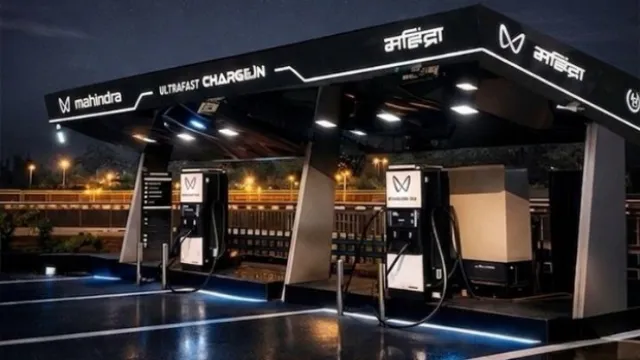
Recently, HPCL announced a partnership with Charge_iN, a subsidiary of Mahindra, which aims to install 180 kW dual-gun chargers at HPCL fuel stations. This collaboration marks a significant step forward in enhancing the infrastructure necessary for electric vehicles, making it easier for consumers to transition from traditional fuel sources to cleaner alternatives. The partnership is expected to provide a much-needed boost to the EV market in India, which has been gaining momentum but still faces challenges in terms of charging infrastructure.
However, this positive development comes against a backdrop of financial challenges for HPCL. The company’s stock recently hit an intraday low of Rs 318.6, representing a 5.25% decline. Over the past day, HPCL’s stock has decreased by 5.01%, a stark contrast to the 2.42% drop in the Sensex. This decline is concerning for investors, especially considering that HPCL’s stock has fallen 35.99% year-to-date. Despite these setbacks, HPCL has managed to outperform the Sensex over the past three years, with gains of 99.40% during that period.
Investors are understandably anxious about the implications of these stock fluctuations. HPCL’s dividend yield stands at 4.59%, which may provide some reassurance to shareholders amid the current volatility. Nevertheless, the recent downturn raises questions about the company’s future performance and its ability to navigate the shifting energy landscape.
In light of the partnership with Charge_iN, industry observers are optimistic about HPCL’s potential to rebound. The collaboration is seen as a strategic move to align with global trends towards sustainability and innovation in the energy sector. As electric vehicles become more mainstream, the demand for charging infrastructure will only increase, and HPCL’s proactive approach could position it favorably in the market.
Officials from both HPCL and Charge_iN have expressed enthusiasm about the partnership, emphasizing its importance in promoting e-mobility in India. They believe that by enhancing the charging infrastructure, they can encourage more consumers to consider electric vehicles, ultimately contributing to a greener future.
Looking ahead, industry experts predict that HPCL’s focus on e-mobility will not only help stabilize its stock performance but also attract new investments. As the partnership unfolds, stakeholders will be closely monitoring its impact on both the company’s financial health and the broader EV market in India. With the right strategies in place, HPCL may very well emerge as a leader in the transition to sustainable energy solutions.