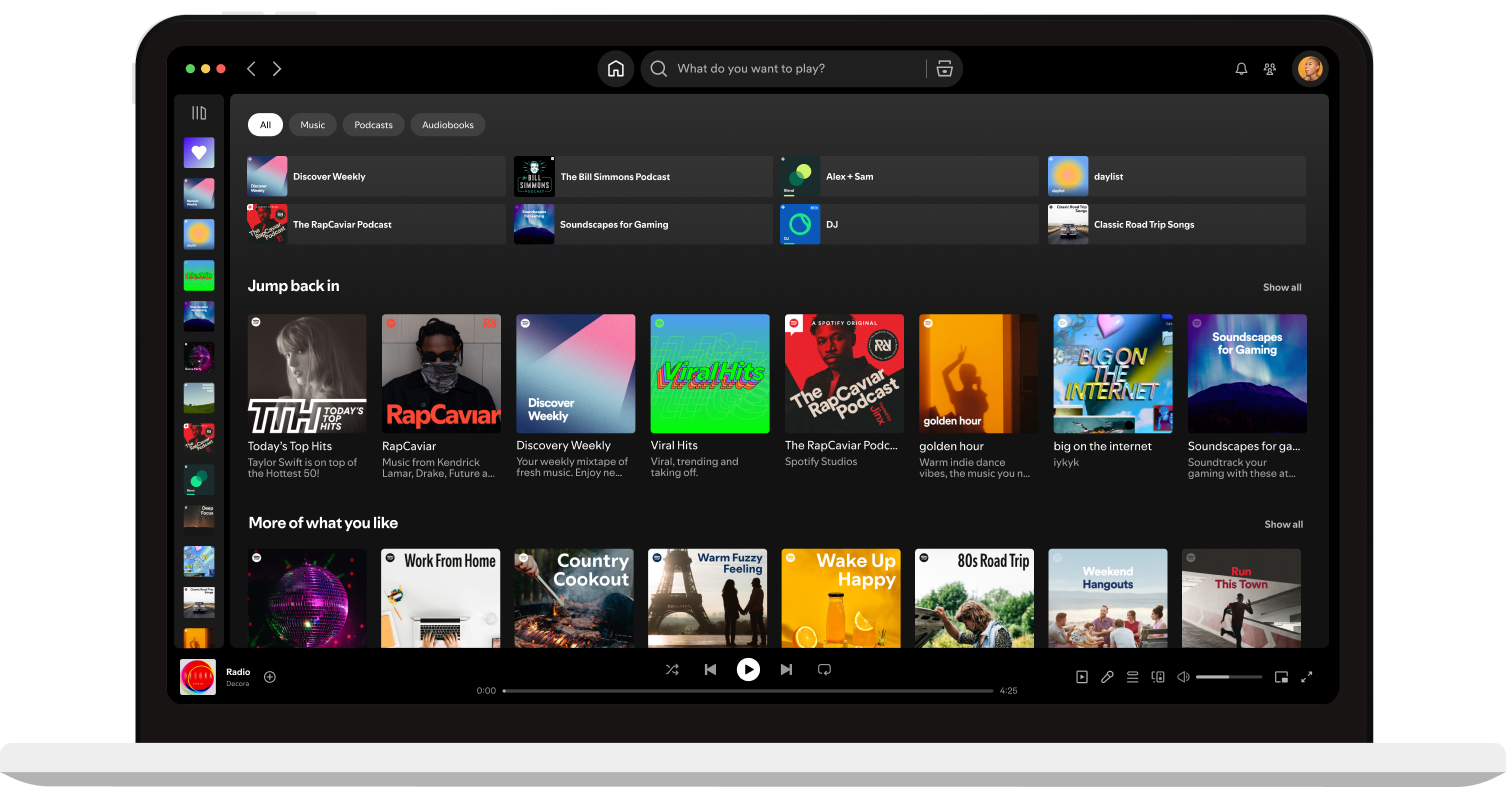
The Rise of Spotify
In the realm of digital music, no platform has altered the landscape as significantly as Spotify. Launched in 2008, this Swedish streaming service has revolutionised how we access and enjoy music. Today, Spotify boasts over 500 million monthly active users, with more than 200 million of these being premium subscribers. The importance of Spotify in today’s music industry cannot be overstated, as it offers artists an unprecedented platform to reach global audiences while providing listeners with an extensive library of songs and podcasts.
Impact on Artists and Listeners
Spotify’s model benefits artists and listeners alike. For artists, it provides a space to distribute their music without the constraints of traditional record labels. Independent musicians can upload their content directly, garnering streams that are converted into revenue through Spotify’s royalty system. Despite ongoing discussions about the fairness of pay-per-stream models, many artists have reported that Spotify remains one of their primary sources of income.
For listeners, Spotify delivers a personalised experience through curated playlists, algorithm-driven recommendations, and features that allow users to discover new music effortlessly. Spotify’s ability to create tailored playlists like ‘Discover Weekly’ and ‘Release Radar’ has changed how music is consumed, making the discovery of new artists easier than ever before.
Recent Developments
Recently, Spotify has continued to innovate and expand its offerings. The company has invested heavily in podcasting, acquiring popular platforms such as Anchor and Gimlet Media in a bid to enhance its audio content portfolio. This strategic move has paid off, with Spotify positioning itself as a leading platform for podcast discovery and distribution. In 2023, Spotify reported that nearly 40% of its monthly users engaged with podcast content, highlighting the growing interest in this medium.
Challenges and Future Outlook
Despite its success, Spotify faces several challenges. The competition from competitors such as Apple Music, Amazon Music, and YouTube Music intensifies as they seek to capture a larger share of the market. Additionally, ongoing discussions regarding artist compensation continue to pose a challenge to the platform’s reputation. However, Spotify’s commitment to continuous improvement and innovation suggests that it will remain at the forefront of the streaming industry for the foreseeable future.
Conclusion
In conclusion, Spotify has transformed the way we experience music and audio content in the digital age. Its impact on artists and listeners alike is profound, and as it continues to expand and evolve, it will undoubtedly maintain a significant role in shaping the future of the music industry. For users, Spotify represents not just a service, but a gateway to a world of sound, creativity, and personal expression.