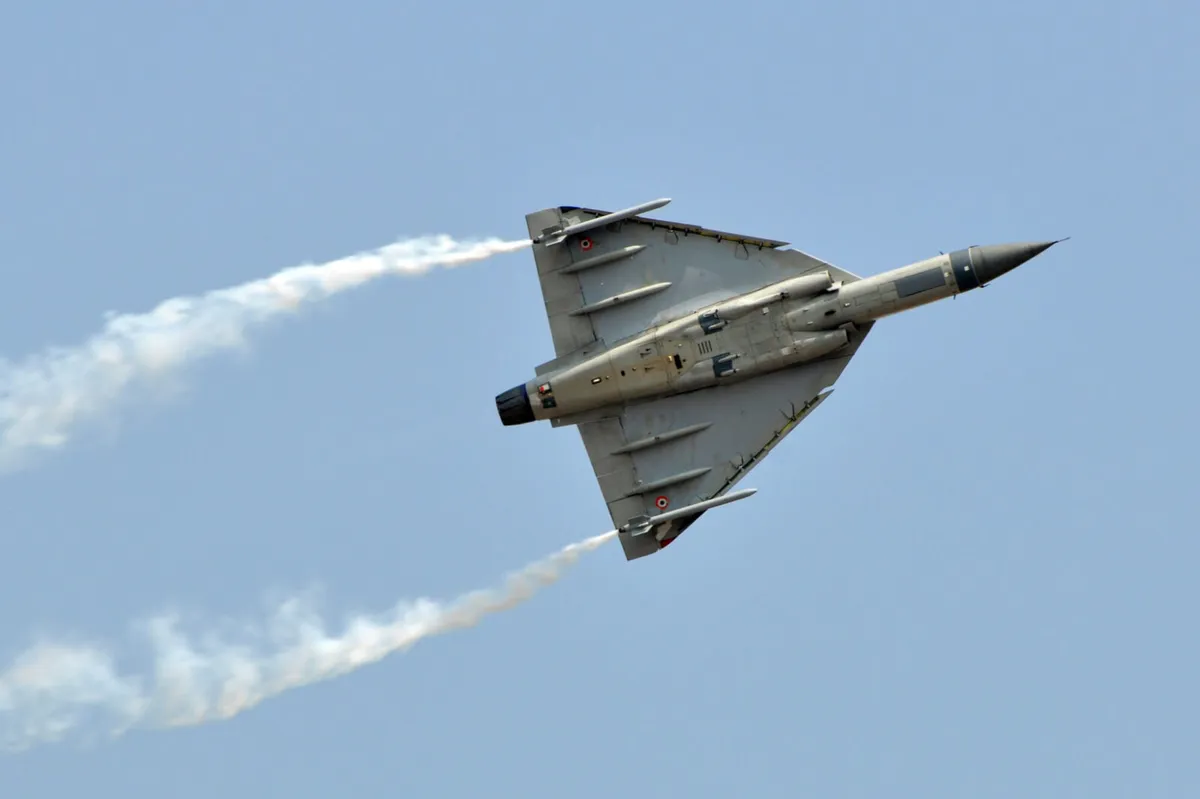
In early February 2026, the HAL Tejas fleet faced a significant setback when all jets were grounded following a landing mishap. This incident raised concerns about the operational readiness of the Indian Air Force (IAF), which relies on these aircraft for its defense capabilities.
Fast forward to April 8, 2026, HAL chairman DK Sunil announced a promising update: “All the Tejas jets are set to fly again from next Wednesday.” This news brings a sigh of relief to many, especially considering the IAF operates 32 to 34 HAL Tejas Mk1 fighter jets across two operational squadrons.
However, the road to recovery has not been without its challenges. HAL has imposed penalties on GE Aerospace due to delays in engine deliveries for the Tejas Mk-1A program. Out of a contract for 99 F404 engines, only six have been delivered so far, with the first engine arriving in March 2025. GE Aerospace has committed to delivering an additional 20 engines by the end of the year, but the delays have raised questions about the program’s timeline.
The Tejas Mk-1A program aims to deliver over 20 aircraft by December 2026, a crucial step in replacing the aging MiG-21s in the IAF’s fleet. Despite the challenges, the indigenous Tejas aircraft is designed to be compatible with modern missiles, laser-guided bombs, and helmet-mounted displays, showcasing its advanced capabilities.
Philip Rajkumar, an expert in the field, emphasized the complexity of jet engines, stating, “The jet engine is one of the most complex pieces of machinery that you can ever think of.” This complexity is a reminder of the hurdles faced in developing the Tejas program, which has taken longer and cost more than initially anticipated.
India’s investment in the Tejas program has been relatively modest compared to other nations. As Sandeep Unnithan pointed out, “India spent relatively modest sums on the programme and abandoned it too early, while China poured in tens of billions of dollars with a national-level push.” This context highlights the importance of continued support for indigenous defense projects.
As the Tejas fleet prepares to take to the skies once again, the implications of this development extend beyond mere operational capability. It signifies a commitment to self-reliance in defense and the potential for the Tejas program to evolve into a cornerstone of India’s military aviation.
With the grounding now behind them, the IAF and HAL are poised to move forward, but the journey is far from over. The Tejas program’s future will depend on overcoming existing challenges and ensuring timely deliveries of critical components.
As the aviation community watches closely, the resumption of flights marks a hopeful chapter for the HAL Tejas, a symbol of India’s aspirations in the realm of defense technology.