Understanding the Upcoming Chandra Grahan
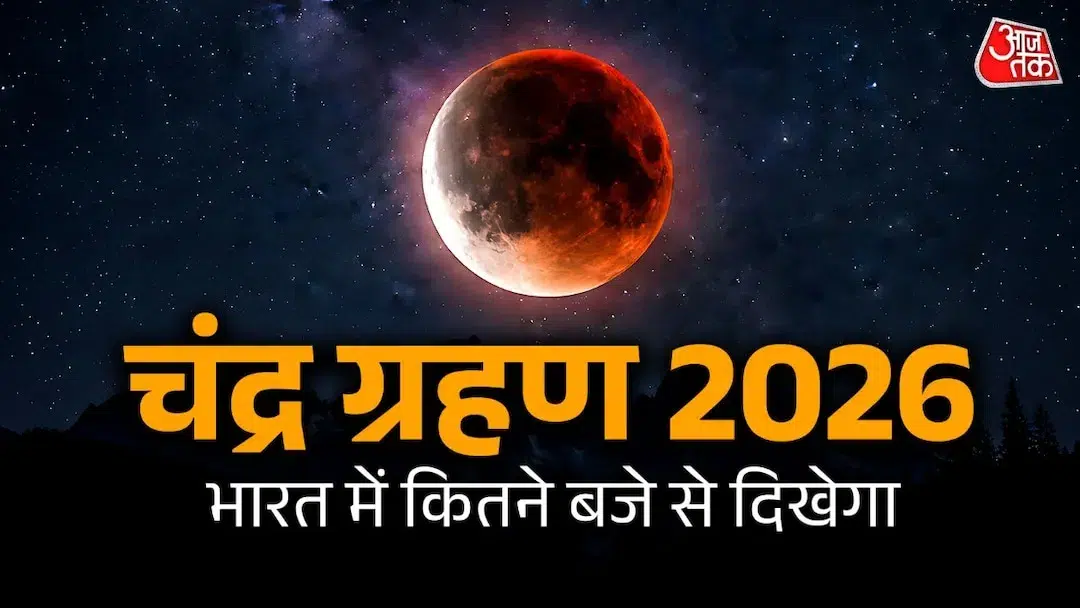
The anticipation surrounding the Chandra Grahan, or lunar eclipse, has been significant among astronomy enthusiasts and the general public alike. Scheduled for March 3, 2026, this event is expected to draw attention not only for its celestial beauty but also for its coinciding with the festival of Holi, a time of celebration in India. Prior to this announcement, many were unaware of the specific timings and phases of the eclipse, leading to a general expectation of a typical lunar event.
Key Timings and Phases
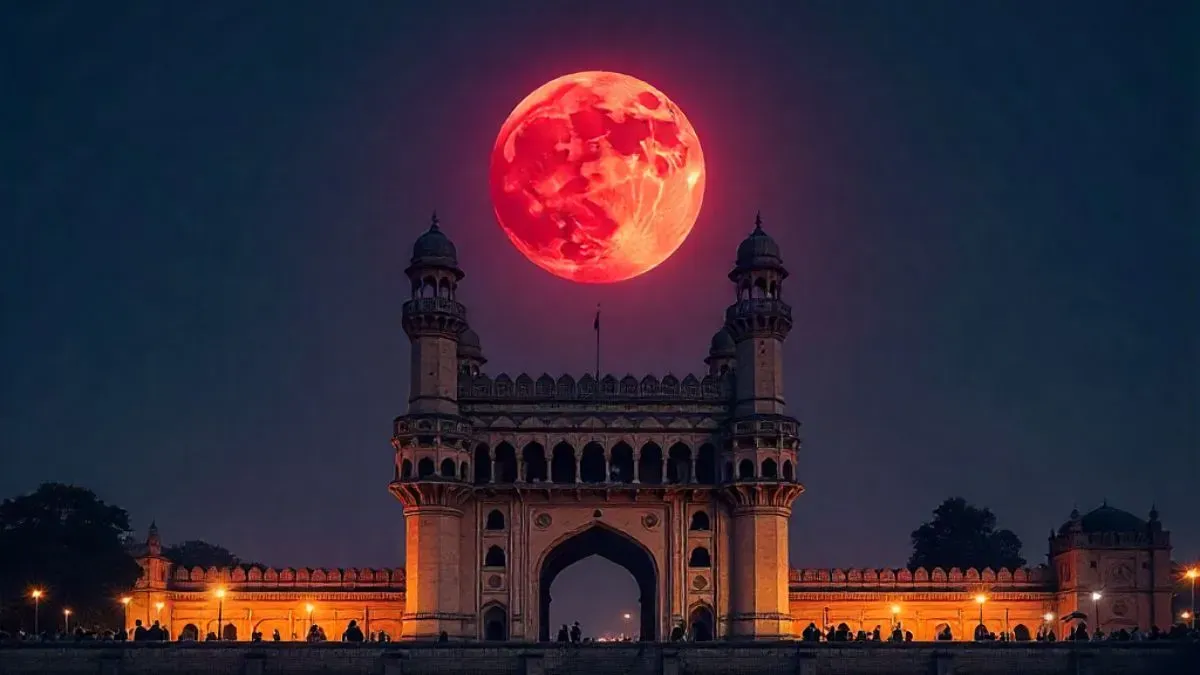
As the date approaches, the precise timings for the Chandra Grahan have been confirmed. The Sutak Kaal, a period of preparation and abstention, will begin at 6:20 AM on March 3, 2026. This will be followed by the penumbral phase of the eclipse starting at 2:14 PM, where the Moon will begin to enter the Earth’s outer shadow. The partial eclipse will commence at 3:30 PM, leading into totality at 4:58 PM, where the Moon will be fully covered by the Earth’s shadow, creating the phenomenon known as a Blood Moon.
The Decisive Moment
The maximum eclipse, a highlight of the event, will occur at 5:25 PM, providing viewers with a dramatic view of the Moon potentially appearing copper-red. Totality will conclude at 5:32 PM, followed by the end of the partial eclipse at 6:47 PM and the penumbral phase concluding at 7:53 PM. This sequence of events marks a significant shift from the previous understanding of the eclipse, as many were previously unaware of the detailed timings and phases.
Impact on Observers
The effects of this lunar eclipse will be felt across India, particularly in the northeastern states, which are expected to witness the most dramatic views of the eclipse. The convergence of this celestial event with Holi adds a layer of cultural significance, as many will celebrate the festival while observing the eclipse. This dual occurrence may lead to increased public interest and participation in both the festivities and the scientific observation of the eclipse.
Expert Perspectives
Experts in astronomy emphasize the importance of understanding the phases of the lunar eclipse. A lunar eclipse occurs when Earth moves between the Sun and the Moon, casting its shadow on the Moon. This natural phenomenon not only captivates the public but also serves as an educational opportunity to discuss celestial mechanics and the science behind eclipses. The unique timing of the eclipse during Holi may also prompt discussions on the intersection of science and culture.
Looking Ahead
As the date of the Chandra Grahan approaches, excitement is building among both casual observers and serious astronomers. The detailed timings provided offer a clear roadmap for those planning to witness this event. With the potential for a Blood Moon, the visual spectacle promises to be a highlight of the year for skywatchers. Details remain unconfirmed regarding any specific events or gatherings planned for the occasion, but the interest is palpable.
The Chandra Grahan on March 3, 2026, is set to be a remarkable event, with significant timings and cultural relevance. As preparations continue, the focus on grahanam timings today underscores the blend of science and tradition that characterizes such celestial phenomena.