The legacy of Fidel Castro looms large over Cuba, shaping the island’s political landscape and its people’s lives long after his retirement. As Cuba grapples with a humanitarian crisis exacerbated by prolonged power outages and economic issues, the consequences of Castro’s policies and the subsequent leadership of his brother Raúl Castro are increasingly evident. The stakes are high, with the United Nations warning that the situation could deteriorate further if immediate action is not taken.
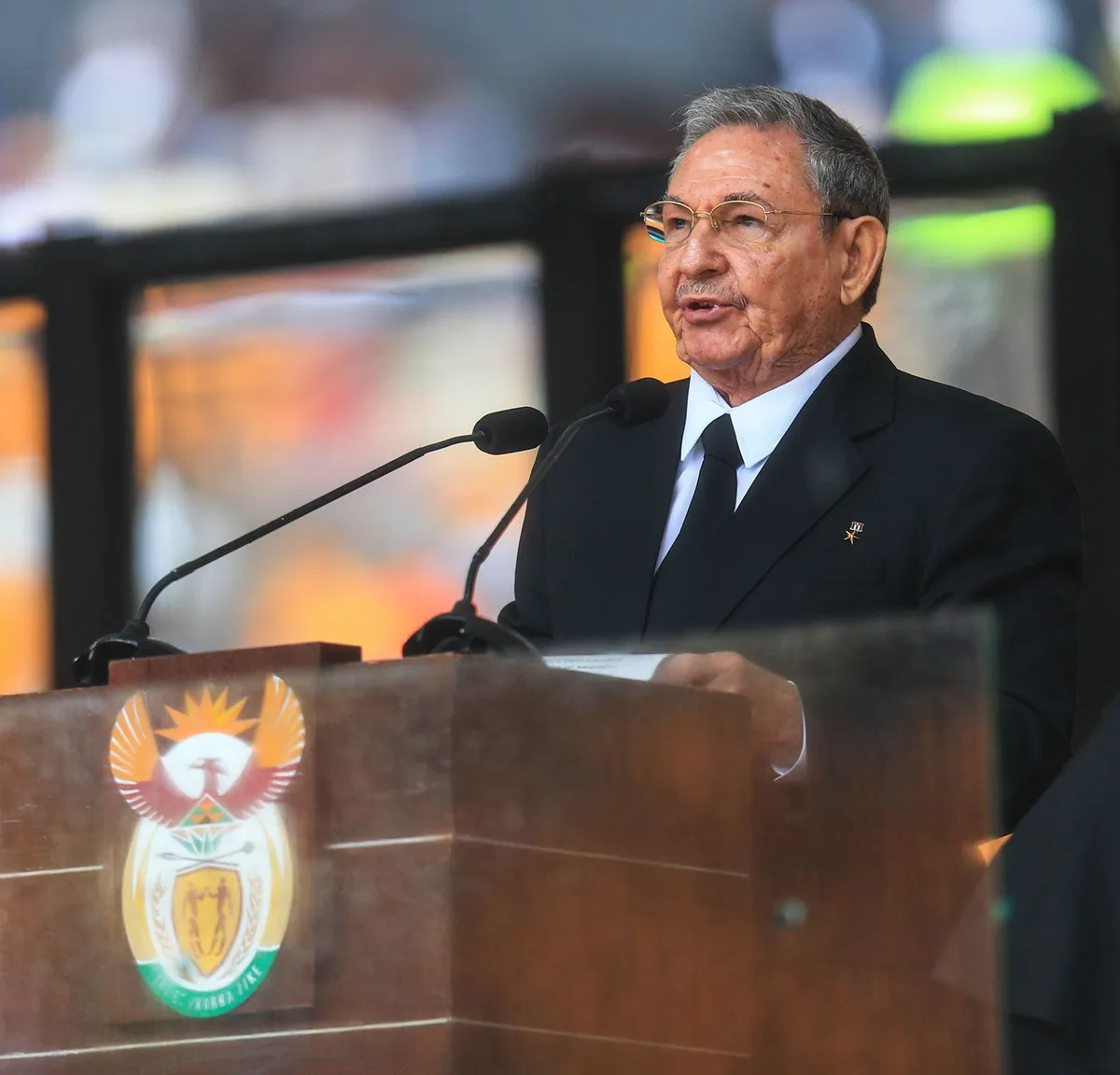
Raúl Castro, who succeeded Fidel Castro as the head of state in February 2008, implemented various economic reforms aimed at revitalizing the struggling economy. However, these reforms came too late for many, as Cuba’s GDP saw an alarming decline of 11 percent in 2020. The economic landscape was further complicated by the oil blockade imposed by the Trump administration, leading to nationwide blackouts that left citizens in the dark and desperate.
During his presidency, Raúl Castro laid the groundwork for a new era in Cuban politics, marked by a shift towards limited private enterprise and the removal of wage restraints. His leadership was pivotal in fostering dialogue with the United States, culminating in historic talks with Barack Obama in 2014 that reopened embassies and re-established diplomatic relations. Yet, despite these efforts, the economic situation remained dire, with over 500,000 government employees laid off as part of the reforms.
The challenges facing Cuba today are stark. Raúl Castro announced his retirement from the Communist Party in April 2021, signaling a significant transition in leadership. His departure leaves a void that Miguel Díaz-Canel, the current president, must navigate amid growing discontent among the population. “First, we must build a channel for dialogue. Then, we must build common agendas of interests for the parties,” Díaz-Canel stated, emphasizing the need for collaboration in addressing the nation’s pressing issues.
As Cuba’s population grapples with the consequences of decades of centralized control, it is noteworthy that 70 percent of the Cuban people were born after the triumph of the revolution. This demographic shift presents both opportunities and challenges, as younger generations seek to redefine their identity and future in a rapidly changing world. The health situation in Cuba is also deeply concerning, with the World Health Organization warning that the delivery of health services is in peril due to the ongoing economic crisis.
Raúl Castro’s leadership marked a significant transition in Cuba’s political landscape, especially following Fidel Castro’s health issues and eventual retirement. The impact of their combined leadership has left a lasting imprint on the nation, with many citizens yearning for change while still holding onto the ideals of the revolution. The uncertainty surrounding Cuba’s future remains palpable, as the government struggles to balance economic reforms with the demands of its people.
As the nation stands at a crossroads, the need for decisive action is more urgent than ever. The $94 million needed to address the energy crisis and hurricane damage highlights the scale of the challenges ahead. Details remain unconfirmed, but the path forward will require not only political will but also a commitment to addressing the humanitarian needs of the Cuban people.