Introduction to Super G Skiing
Super G skiing, an abbreviation for Super Giant Slalom, is a significant alpine ski racing discipline that combines speed and technical skill. Recognised for its thrilling high-speed descents, super G is pivotal within the World Cup circuit and Olympic competitions. This race format appeals to both competitors and spectators, positioning itself as a highlight of the winter sports calendar.
The Format and Rules of Super G
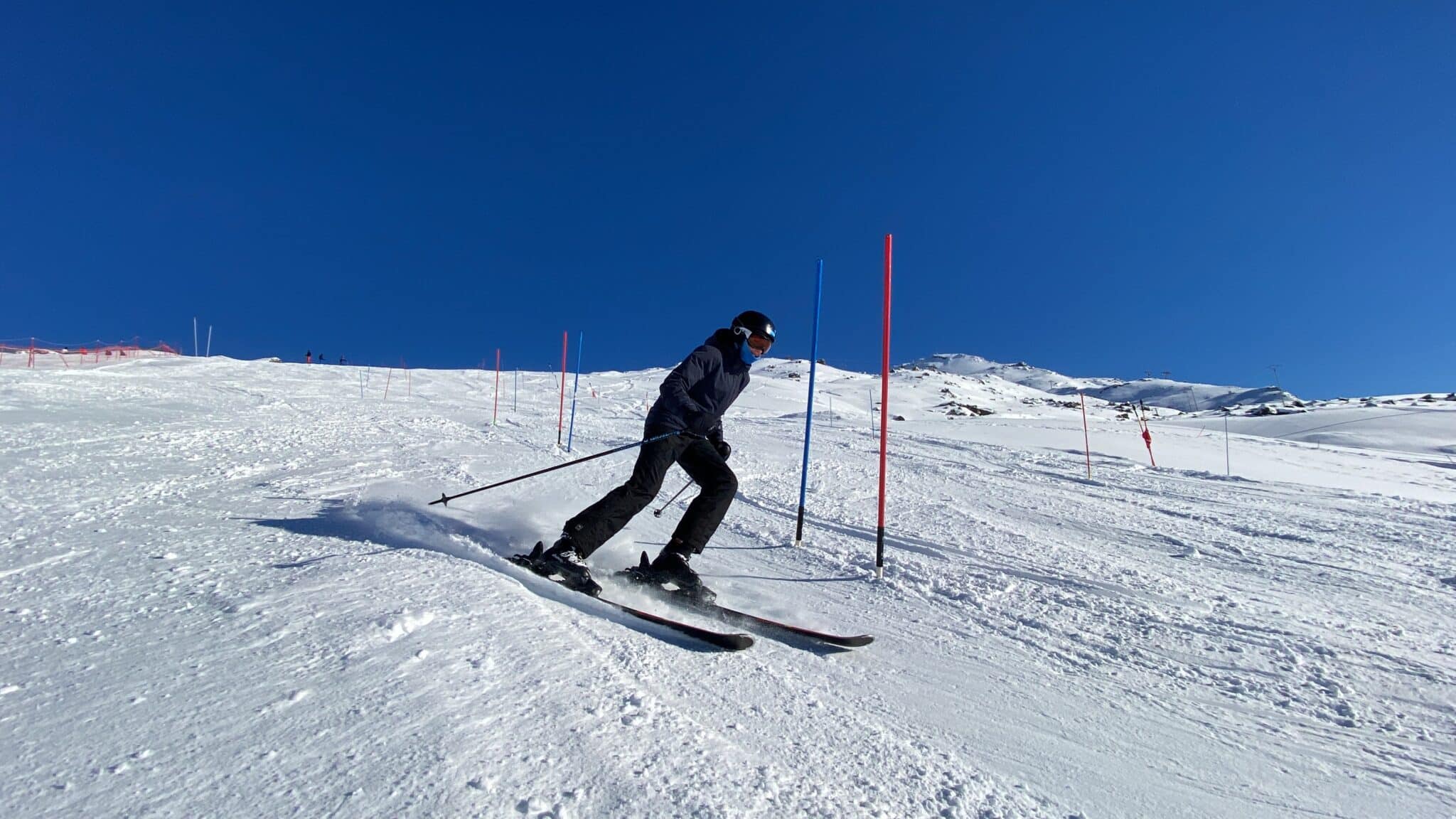
In super G skiing, athletes navigate a course set with a minimum of 25 and a maximum of 45 gates, and these are fewer compared to the Giant Slalom. This discipline demands competitors to display agility, speed, and strategic line selection as they twist and turn down the mountain. Skiers are timed during their runs which adds a layer of excitement as fractions of a second can make a difference between winning and losing. Unlike downhill skiing, where athletes can rely on pure speed, super G requires a blend of both speed and technique.
Recent Competitions and Highlights
The 2023 Alpine Skiing World Cup season has witnessed fierce competition in the super G events. Notable athletes such as Marco Odermatt from Switzerland, a current dominant figure in the sport, has consistently performed well, clinching multiple podium finishes. The FIS (International Ski Federation) has maintained a full schedule, with races held in renowned locations such as Beaver Creek and Val Gardena, showcasing some of the most skilled skiers from around the globe.
The Future of Super G Skiing
As winter sports continue to evolve, super G skiing remains an essential part of the discourse among skiing enthusiasts and event organisers. With advancements in techniques and equipment, there is an ongoing commitment to enhance safety and performance. Additionally, increased media coverage and fan engagement are likely to boost the sport’s visibility leading up to the 2026 Winter Olympics in Milan-Cortina. This means athletes and fans can expect exciting developments and innovations in the super G landscape.
Conclusion
Super G skiing is not just about speed but also involves strategising through varying terrains and conditions, making it a thrilling sport to watch and participate in. Its blend of agility, precision, and excitement makes it one of the most cherished alpine ski racing formats. As interest continues to grow, the future of super G skiing looks promising, riding the wave of technological advancements and expanding global viewership.