Introduction to Non-Fungible Tokens
Non-fungible tokens (NFTs) have emerged as a groundbreaking innovation in the digital landscape, representing unique assets and ownership on the blockchain. As the art world, music industry, and various sectors increasingly embrace digital transformation, NFTs have gained significant traction. With sales in the billions of pounds, understanding NFTs is vital not only for digital artists and collectors but also for investors and businesses looking to tap into this new economic frontier.
The Rise of NFTs
Initially popularised in 2021, NFTs gained notoriety through high-profile sales such as Beeple’s digital artwork, which sold for a staggering $69 million at Christie’s. This transaction highlighted the potential of NFTs to redefine the concept of ownership in the digital age. Moreover, the NFT market has continued to flourish, with total sales exceeding £25 billion in 2022 alone. Major platforms like OpenSea and Rarible facilitate these transactions, enabling creators to mint, trade, and showcase their digital products.
How Do NFTs Work?
At their core, NFTs are built on blockchain technology, which allows for secure, transparent, and tamper-proof ownership records. Each NFT is distinct and cannot be exchanged on a one-to-one basis like cryptocurrencies (e.g., Bitcoin or Ethereum), hence the term ‘non-fungible.’ This uniqueness makes NFTs particularly appealing for digital art, music, gaming, and even virtual real estate.
Impact on Various Industries
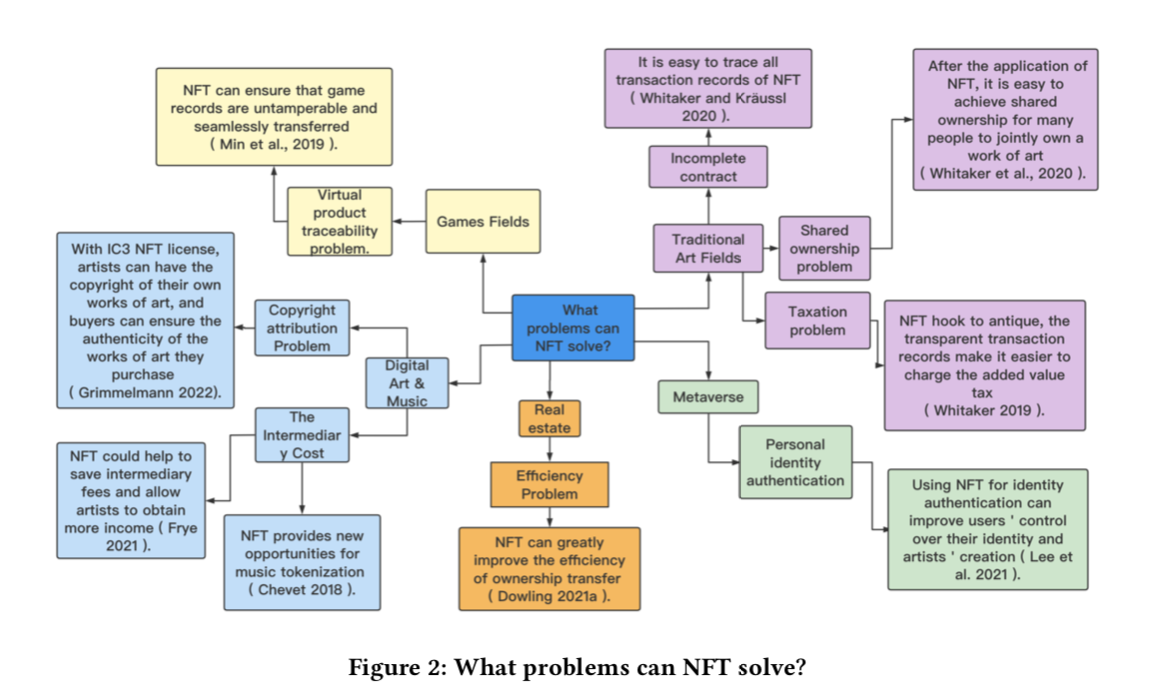
Beyond art and entertainment, NFTs are being explored in sectors such as gaming — where players can buy, sell, and trade in-game assets — as well as real estate, where properties can be tokenized. The sports industry has also harnessed NFTs through collectible merchandise and unique fan experiences, further blurring the lines between digital and physical products.
Challenges and Criticisms
Despite their growing popularity, NFTs face criticism regarding their environmental impact and market volatility. The energy consumption of blockchain networks can raise sustainability concerns, and potential buyers must navigate a fluctuating market riddled with speculation. However, the industry is evolving, with initiatives aimed at creating more eco-friendly blockchain technologies.
Conclusion and Future Speculations
As non-fungible tokens continue to gain recognition, their implications for the digital economy are profound. With technology and trends evolving rapidly, NFTs could potentially reshape how we perceive ownership, value, and authenticity in the digital realm. Investors and creators alike should remain informed about developments in this dynamic space, as the future will likely see continued integration of NFTs across various sectors, potentially leading to a more diversified and digitally driven economy.