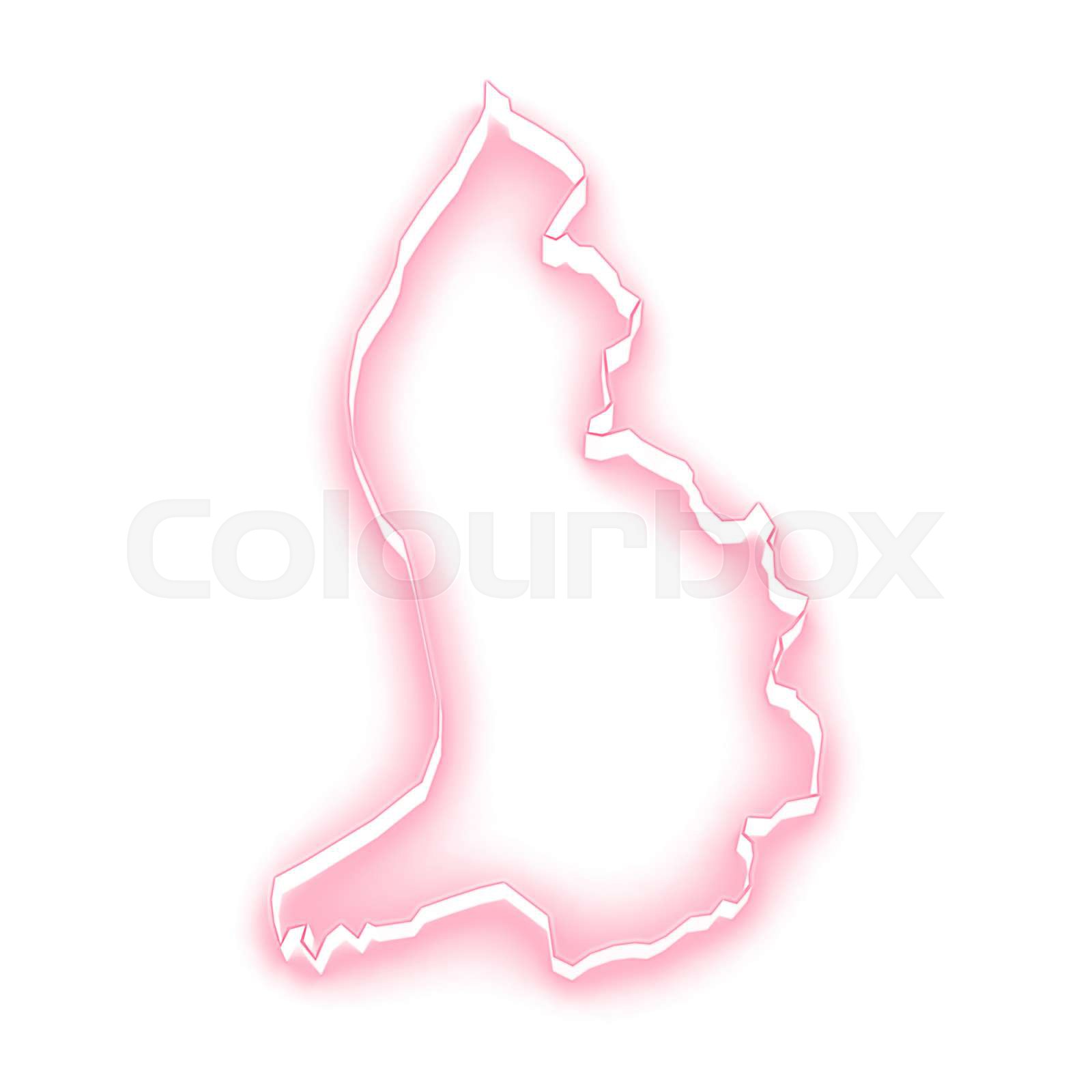
Introduction to Liechtenstein
Liechtenstein, a small but captivating landlocked country nestled between Switzerland and Austria, is renowned for its stunning alpine scenery, prosperous economy, and rich cultural heritage. Despite its size—covering just 160 square kilometres and housing approximately 39,000 residents—Liechtenstein has become a significant player within Europe, often being overlooked by larger nations. Its strategic location, vibrant economy, and picturesque landscapes make it a noteworthy topic in European geography and travel.
Economic Significance and Prosperity
Liechtenstein boasts one of the highest GDP per capita rates in the world, largely thanks to its robust financial services sector, including banking and asset management, as well as a thriving manufacturing industry specialising in high-tech goods. According to the International Monetary Fund, the country’s economy is characterised by low unemployment levels and stable inflation rates, making it an attractive destination for foreign investment. The government’s commitment to maintaining a business-friendly environment has further solidified its status as a global financial hub.
Tourism and Cultural Attractions
Tourism is a vital component of Liechtenstein’s economy, attracting visitors who come to experience its natural beauty and cultural wealth. The capital, Vaduz, is home to the impressive Vaduz Castle, an iconic landmark that dominates the skyline and serves as the official residence of the Prince of Liechtenstein. Other notable attractions include the Kunstmuseum Liechtenstein, showcasing modern and contemporary art, and the picturesque village of Balzers, known for its breathtaking views and historical sites.
The country also offers a range of outdoor activities, from hiking and skiing in the pristine Alps to mountain biking and paragliding. The diverse landscapes cater to both adventure seekers and those looking to relax in serene surroundings.
Conclusion: The Future of Liechtenstein
As we move further into the 21st century, Liechtenstein faces both challenges and opportunities. Climate change poses a threat to its natural scenery, while global economic trends could impact its financial services industry. However, Liechtenstein’s resilience, adaptability, and commitment to preserving its cultural identity suggest a promising future. For readers seeking an off-the-beaten-path destination in Europe, Liechtenstein offers a unique blend of breathtaking landscapes, rich history, and a prosperous economy. It stands as a testament to the beauty and significance of microstates in a globalised world.