Introduction
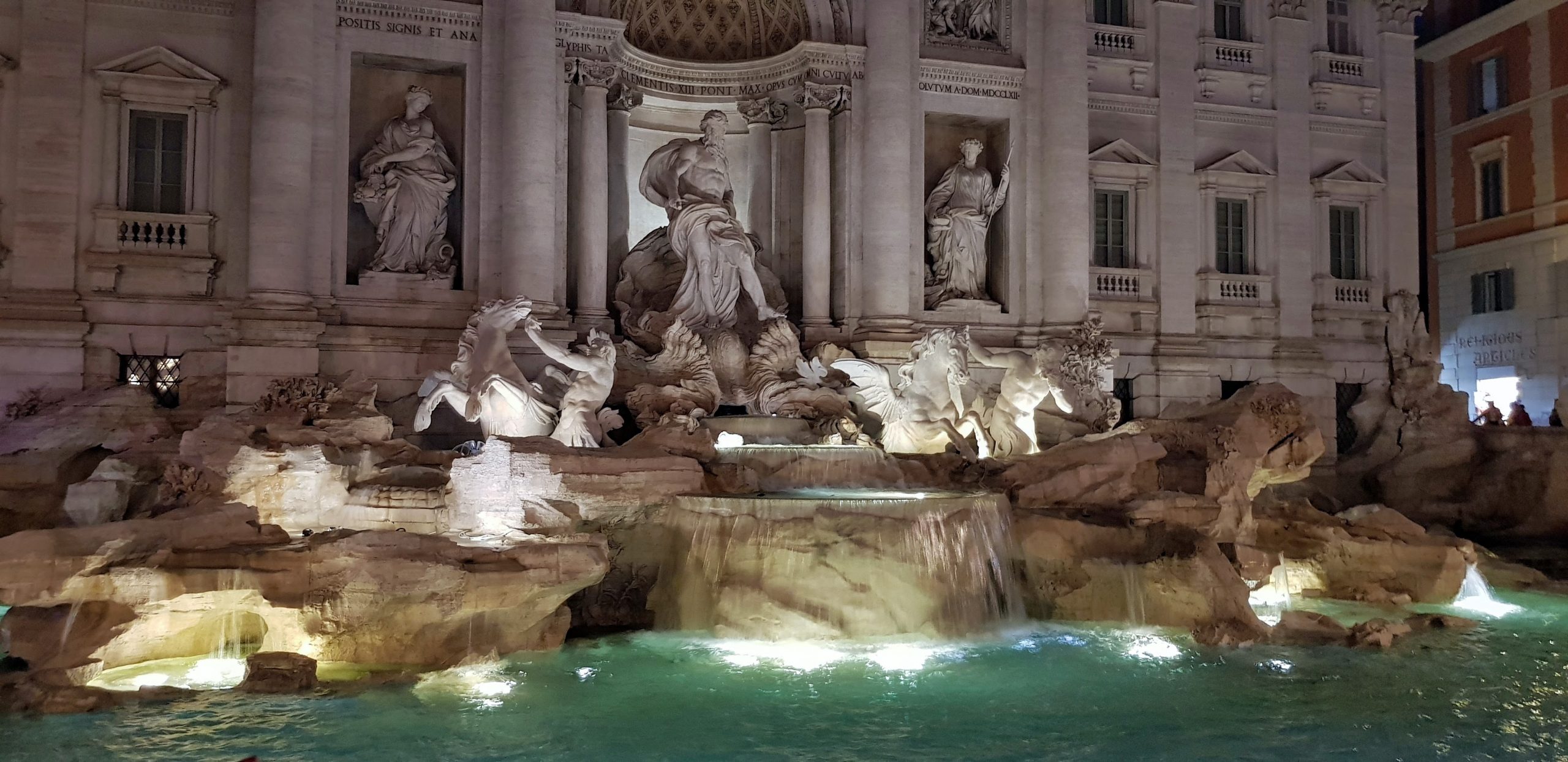
The Trevi Fountain, or Fontana di Trevi, is one of the most iconic landmarks in Rome, attracting millions of visitors each year. Known for its ornate baroque design and historical significance, it serves not only as a beautiful piece of art but also as a symbol of love and hope. Recent events have highlighted its importance not only as a tourist attraction but also as a cultural and historical monument.
Historical Background
Completed in 1762, the Trevi Fountain was designed by architect Nicola Salvi and later finished by Pietro Bracci. The fountain is located at the intersection of three roads (tre vie), hence its name. It features a stunning central statue of Oceanus, with allegorical figures symbolising abundance and prosperity. This artistic masterpiece stands at a height of 26.3 metres, making it the largest fountain in Rome.
Recent Events
Recently, the Trevi Fountain has gained attention due to restoration and preservation efforts aimed at maintaining its grandeur amidst the challenges posed by increasing tourism and environmental factors. In April 2023, the Italian government announced a new initiative to restore the fountain’s surrounding area and improve visitor facilities. This project aims to enhance the experience for the millions who throw coins into the fountain—a tradition believed to ensure a return to Rome. Following COVID-19 restrictions, tourist numbers are rebounding, leading to a renewed focus on preserving this historic site.
Cultural Significance
The Trevi Fountain is often featured in films, most notably in “La Dolce Vita,” which has contributed to its allure. Beyond its aesthetic appeal, it’s a cultural nexus where visitors partake in ritual activities, such as tossing a coin over their shoulder to guarantee their return to the Eternal City. This tradition has reportedly raised over €1.5 million a year, which is used to support local charities and community services.
Conclusion
The Trevi Fountain stands as a testament to Italy’s rich history and artistic heritage. As preservation efforts continue and tourism revives, the future of this magnificent monument looks promising. It remains not only a must-visit attraction but also a pivotal part of Rome’s cultural identity, drawing people from all walks of life to experience its magic firsthand.