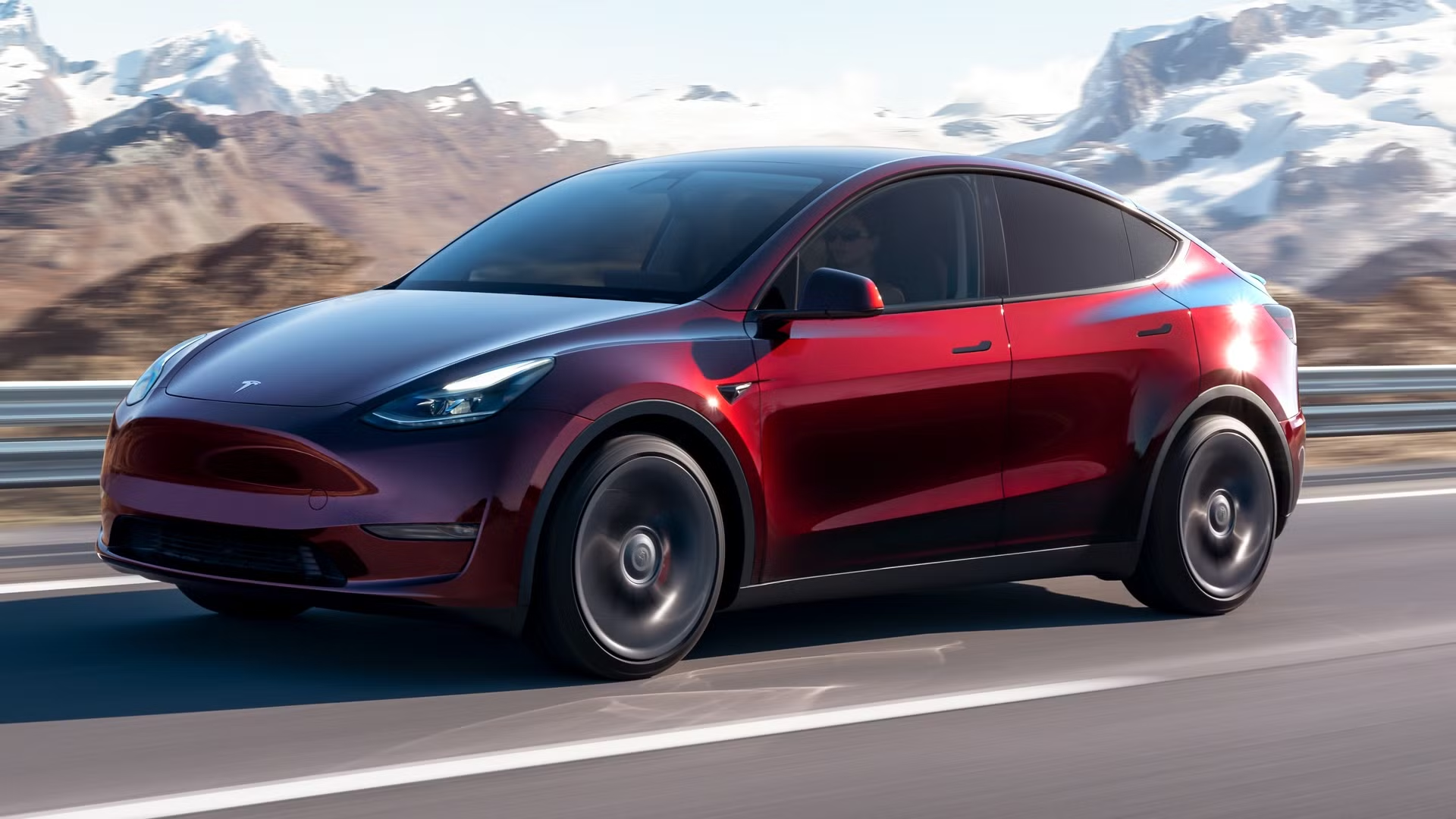
Introduction to the Tesla Model Y
The Tesla Model Y continues to make headlines as one of the most anticipated electric vehicles in the market. Since its launch, it has garnered significant attention due to its blend of performance, safety, and spaciousness, appealing to eco-conscious consumers and families alike. As electric vehicles gain traction globally, understanding the impact of the Model Y is crucial for both consumers and industry observers.
Key Features and Performance
The Tesla Model Y is a compact SUV based on the same platform as the popular Model 3 sedan. With a range of up to 330 miles on a single charge, depending on the variant, the Model Y presents impressive efficiency. The vehicle offers robust acceleration, capable of reaching 0-60 mph in just 3.5 seconds for the Performance version. Inside, the cabin is minimalist yet technologically advanced, featuring a large touchscreen interface controlling most of the vehicle’s functions. Moreover, it provides ample cargo space and optional third-row seating, catering to families and those needing additional space.
Recent Developments and Market Impact
As of late 2023, Tesla has ramped up its production capacity to meet growing demand for the Model Y, particularly in markets like Europe and China. The vehicle’s popularity has contributed significantly to Tesla’s overall sales, with the Model Y becoming one of the best-selling electric vehicles worldwide. Additionally, Tesla’s continuous software updates ensure that Model Y owners benefit from improved performance and new features over time.
Challenges and Competition
Despite its success, the Model Y faces stiff competition from other automakers entering the electric SUV market. Companies like Ford with the Mustang Mach-E and Volkswagen with the ID.4 are offering compelling alternatives, which could impact Tesla’s market share. Furthermore, challenges regarding supply chain issues and fluctuating material costs remain prevalent in the automotive industry, potentially influencing production rates and pricing strategies.
Conclusion
The Tesla Model Y represents a significant step forward in the transition to electric vehicles, combining convenience and performance in a family-friendly package. As charging infrastructure improves and more consumers opt for electric options, the Model Y is likely to remain a key player in the EV landscape. Its ongoing success will not only shape Tesla’s future but also the broader acceptance of electric vehicles globally as we move towards a more sustainable automotive industry.