Introduction
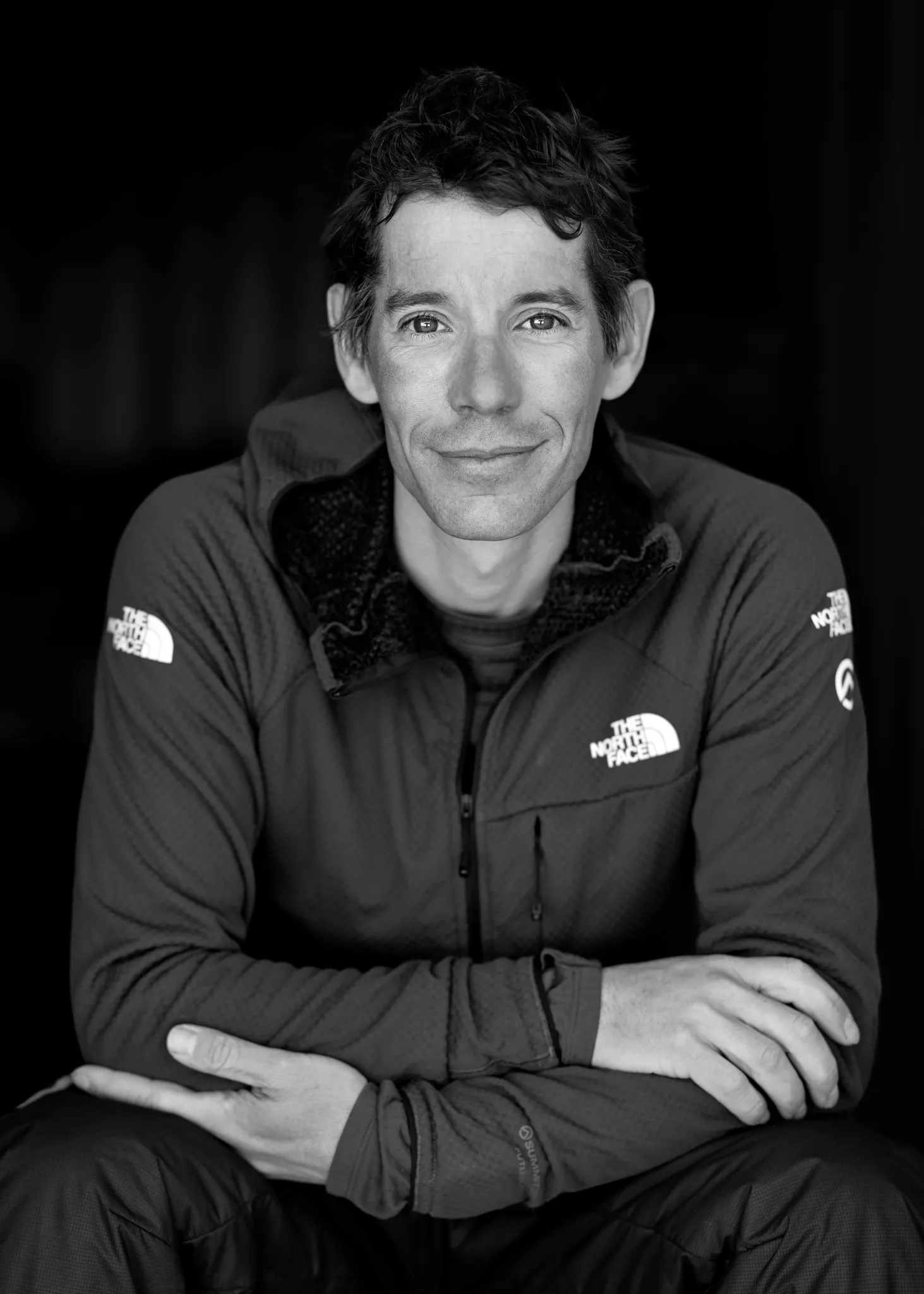
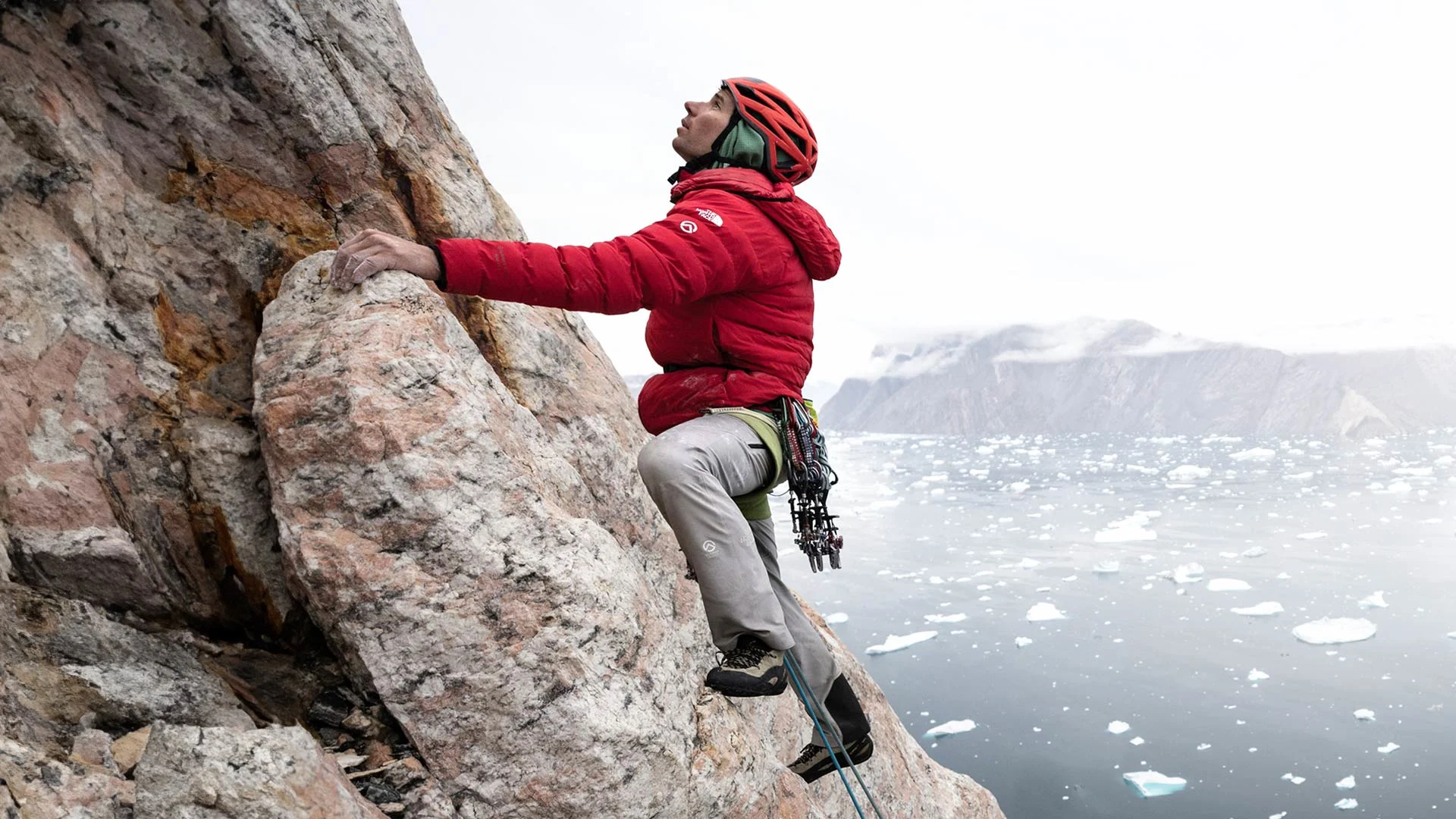
Alex Honnold, widely known as a pioneer in the world of free solo climbing, has captivated audiences around the globe with his extraordinary feats of strength and courage. His most notable achievement, the first free solo ascent of El Capitan in Yosemite National Park, redefined the limits of rock climbing and showcased the mental fortitude required for such an extreme sport. As interest in adventure sports continues to grow, Honnold’s story is particularly relevant, shining a light on the risks, dedication, and passion involved in extreme climbing.
Life and Early Career
Born on August 17, 1985, in Sacramento, California, Alex Honnold grew up with a passion for climbing that began in his teenage years. His journey as a professional climber started when he began to push the boundaries of traditional climbing, eventually leading him to adopt the free solo style, where climbers ascend without ropes or harnesses. Honnold’s dedication and talent quickly set him apart in the climbing community, and he became known for his unwavering focus and calculated approach when tackling challenging routes.
The Historic Climb of El Capitan
In June 2017, Honnold made history when he completed the first free solo ascent of the 900-metre vertical rock formation, El Capitan. This monumental achievement was captured in the acclaimed documentary, “Free Solo,” which won the Academy Award for Best Documentary Feature in 2019. Honnold’s climb, which took approximately four hours, was noted not just for its difficulty but also for the sheer audacity of tackling such a risky undertaking without any safety equipment. His accomplishment raised questions about the psychological aspects of climbing and the nature of risk-taking.
Current Endeavours and Advocacy
Beyond climbing, Alex Honnold is also known for his environmentalism and philanthropy. He established the Honnold Foundation, a nonprofit organization that promotes solar energy and sustainability to address climate change. Honnold’s commitment to environmental causes highlights a growing trend among athletes who leverage their platforms to encourage positive societal impacts. His ongoing projects involve climbing expeditions aimed at raising awareness about environmental issues.
Conclusion
As Alex Honnold continues to push the boundaries of what’s possible in climbing, his legacy extends far beyond the realm of sport. His achievements have not only inspired a new generation of climbers but have also sparked important discussions about the environment and the importance of sustainability. In an era where thrill-seeking and environmental consciousness coexist, Honnold’s influence serves as a reminder of the potential for sports to ignite both personal and societal change. As climbing grows in popularity, Alex Honnold will undoubtedly remain a central figure in shaping its future.