Introduction
The Kensington Roof Gardens, nestled atop the former Dickins & Jones department store in London’s Kensington, is a stunning example of urban landscaping. Opened in 1938, these gardens cover nearly 1.5 acres and are one of the largest roof gardens in Europe. This hidden gem has long served as a serene sanctuary for Londoners and tourists alike, offering a respite from the bustling city below. As urban spaces become increasingly critical for mental well-being and environmental sustainability, the significance of places like the Kensington Roof Gardens continues to grow.
History of the Roof Gardens
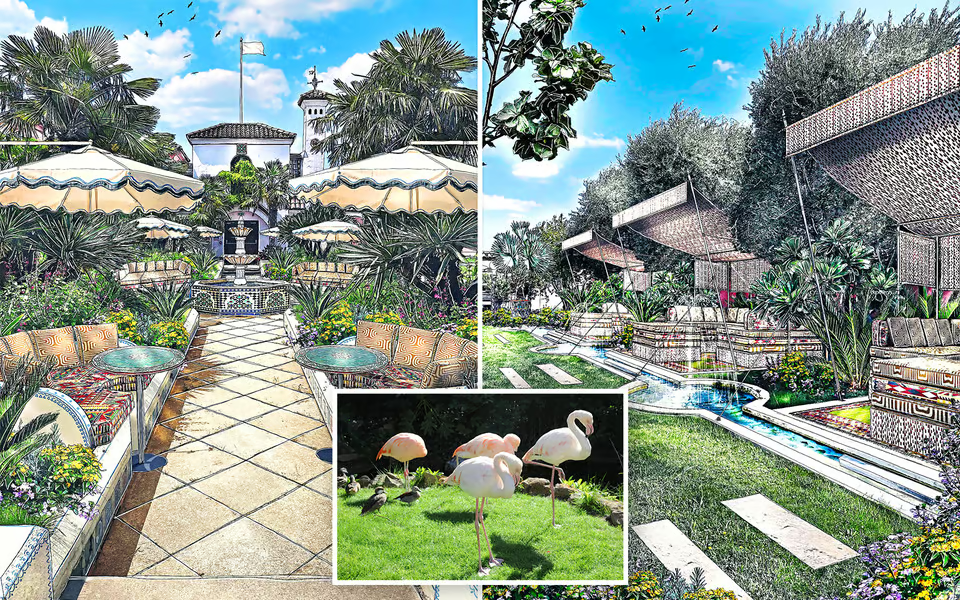
The rooftop was initially designed by landscape designer Ralph Hancock, showcasing a blend of Spanish, British, and Tudor-style gardens, complete with flowing streams, ponds, and ample seating areas for relaxation. Over the years, the gardens have undergone several renovations to maintain their allure and ecological viability. In 2014, they were closed to the public for major refurbishments but reopened in 2017 to much fanfare, reintroducing visitors to their breathtaking beauty.
Current Features and Attractions
The Kensington Roof Gardens features distinctive themed sections, including the Spanish Garden, Tudor Garden, and English Woodland, each providing a unique atmosphere and a variety of plant life. Visitors can enjoy stunning views of Kensington Palace and the London skyline, making it a popular spot for photography and events. The gardens also host various events throughout the year, including outdoor cinema nights and seasonal celebrations, drawing crowds from across the city.
Conservation and Sustainability Efforts
In recent years, the Roof Gardens has increased its focus on conservation and sustainability. By employing eco-friendly gardening practices and enhancing biodiversity, the gardens aim to create a balanced ecosystem that supports local wildlife. Notably, the gardens provide a habitat for various bird species, which has drawn the attention of naturalists and bird watchers.
Conclusion
The Kensington Roof Gardens is more than just a beautifully landscaped area; it represents a crucial effort in urban greening that addresses the pressing need for green spaces in cities. As London continues to grow, such locations will become even more valuable not only for their aesthetic appeal but also for their contributions to mental health, biodiversity, and community engagement. The future of the Roof Gardens seems bright, with ongoing efforts to enhance its beauty and ecological significance, making it a vital part of London’s urban fabric.