Introduction
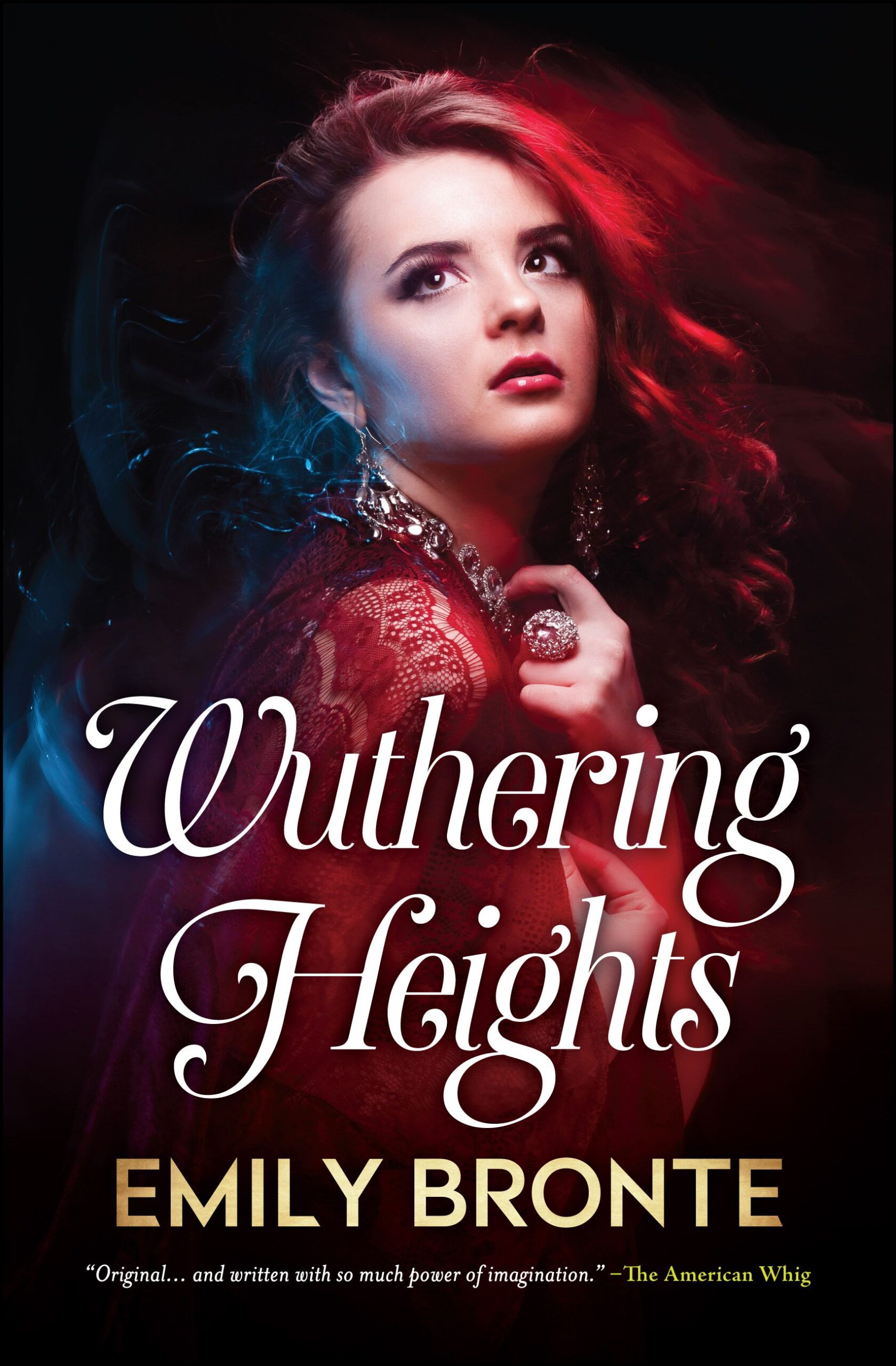
Wuthering Heights, the only novel penned by Emily Brontë, has cemented its status as a cornerstone of English literature since its publication in 1847. This haunting tale of passionate love and revenge not only captivates readers but also offers profound insights into social norms, class distinctions, and the human psyche. In recent months, the book has seen a renewed interest due to various adaptations and scholarly analyses, making it a relevant topic for both literature enthusiasts and literary scholars alike.
The Plot and Themes
The story unfolds in the Yorkshire moors and revolves around the turbulent relationship between Heathcliff and Catherine Earnshaw. The narrative is intricately structured, being told through multiple perspectives, primarily that of Mr. Lockwood and Nelly Dean. Themes of obsession, social class, and the moral implications of revenge permeate the text, inviting readers to reflect on the complexities of human emotions and relationships.
Recent Adaptations and Analyses
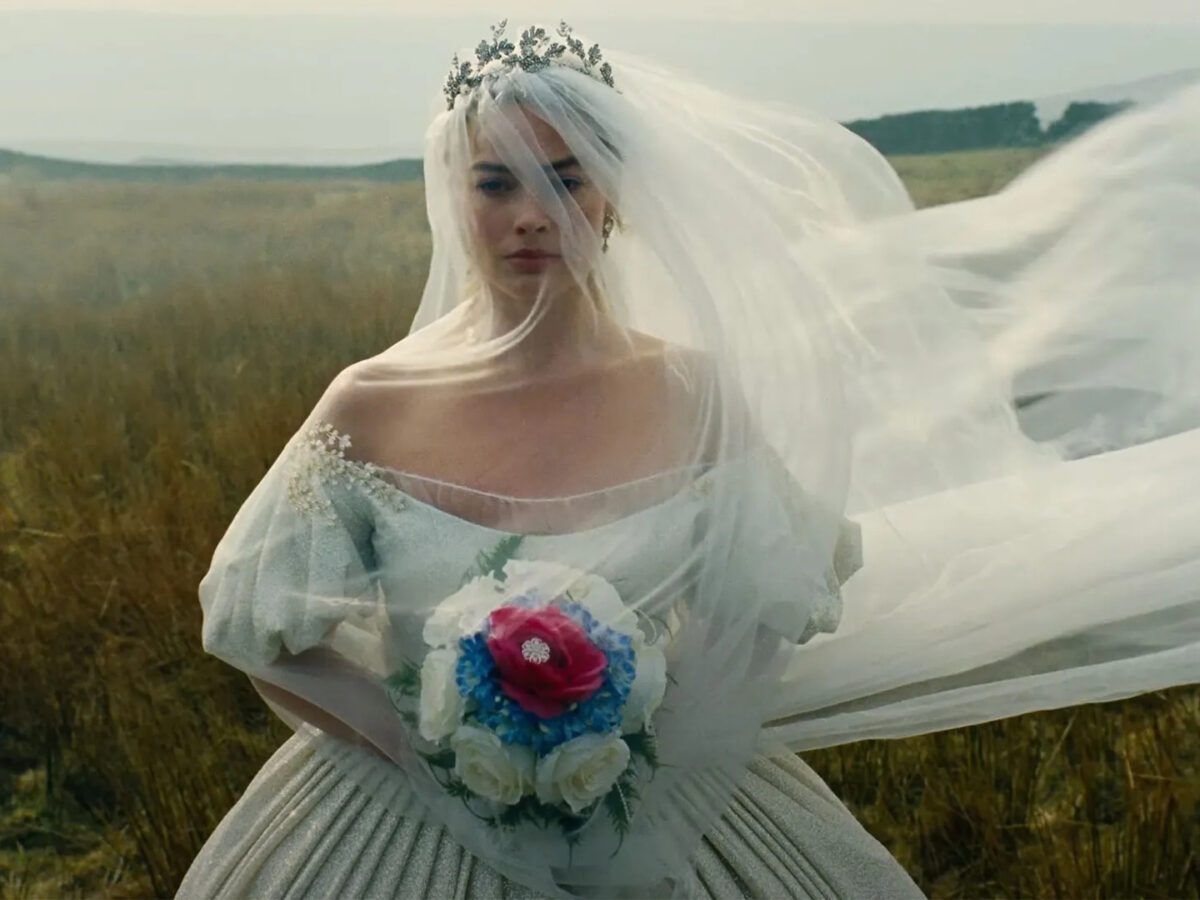
In the past year, several adaptations of Wuthering Heights have re-emerged, including stage productions and film iterations that reinterpret its themes for contemporary audiences. Notably, a recent theatre adaptation highlighted the psychological aspects of Heathcliff’s character, prompting discussions about the impact of trauma and the nature of love. Moreover, academic discussions have surged, focusing on the feminist lens of the story and Brontë’s critique of patriarchal society.
Significance for Readers
The enduring popularity of Wuthering Heights underscores its relevance in modern discourse. It challenges readers to explore the darker corners of love and jealousy, encouraging an examination of how these emotions drive human behaviour. The book’s complexity offers ample material for discussion, making it a staple in educational curricula and book clubs. As debates about mental health and societal expectations grow, the lessons within Wuthering Heights resonate even more profoundly, addressing timeless human struggles.
Conclusion
As we advance into a future shaped by evolving societal values, Wuthering Heights continues to provoke thought and inspire creativity. Its exploration of intense emotions and moral dilemmas remains impactful, making it essential reading for understanding both historical context and contemporary issues. Readers are encouraged to revisit this masterpiece not only for its literary merits but for its endless capacity to reflect the complexities of the human heart.