Introduction
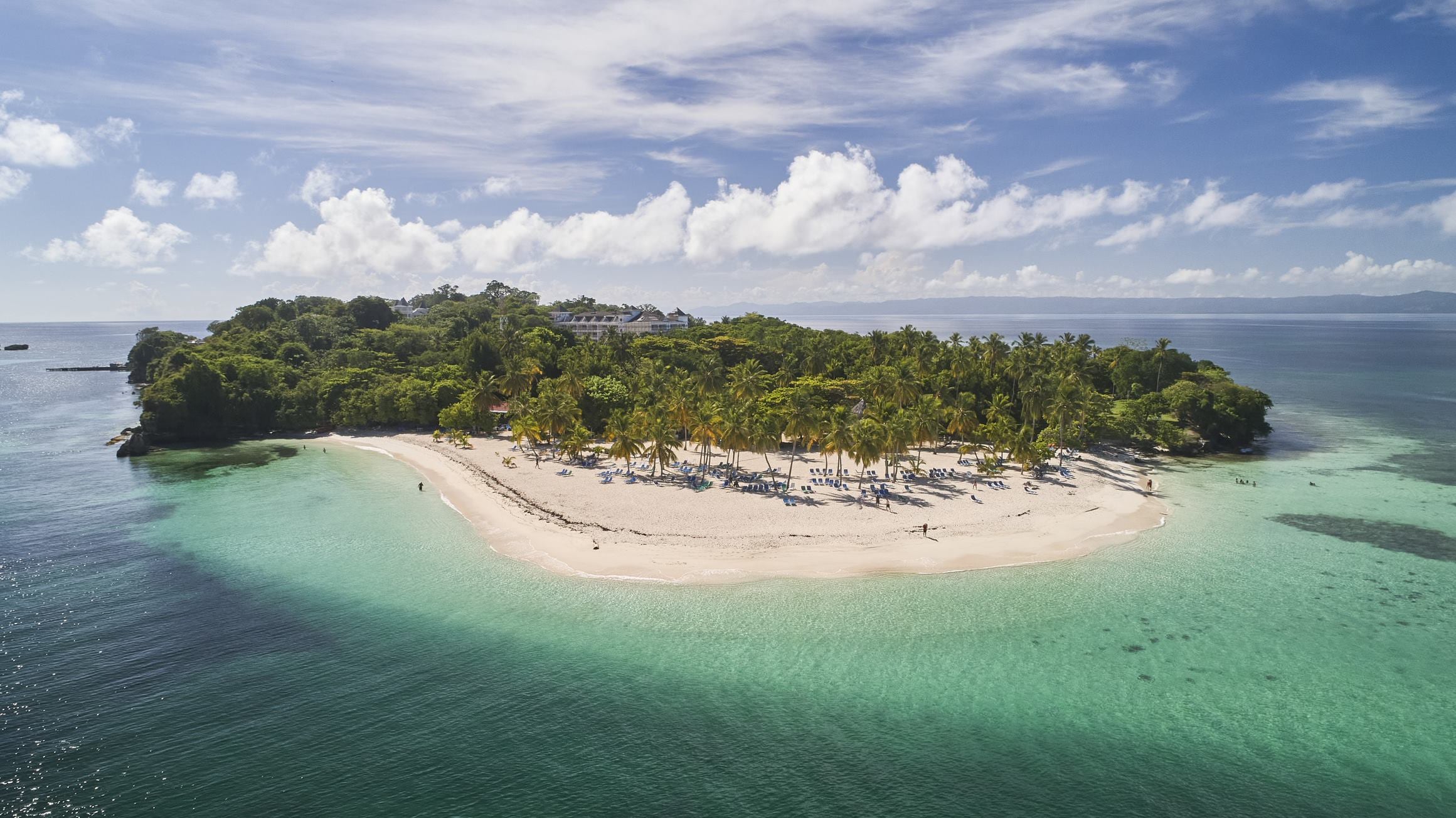
The Dominican Republic is a vibrant Caribbean nation sharing the island of Hispaniola with Haiti. Often celebrated for its stunning beaches, rich culture, and historical significance, it has become a popular tourist destination, drawing millions of visitors each year. Understanding the Dominican Republic not only enhances travel experiences but also highlights its importance in the Caribbean region.
Tourism and Economic Impact
Tourism is a cornerstone of the Dominican Republic’s economy, contributing significantly to the nation’s GDP. In 2022 alone, tourism accounted for over 8% of the GDP, with the country receiving approximately 7 million tourists, primarily from the United States, Canada, and Europe. Popular destinations within the country include Punta Cana, known for its all-inclusive resorts and pristine beaches, and the colonial zone of Santo Domingo, a UNESCO World Heritage site.
Cultural Significance
The Dominican culture is a rich tapestry influenced by Taíno, African, and European traditions. Merengue and bachata, the nation’s renowned music and dance styles, have gained international recognition. Additionally, the annual Merengue Festival in Santo Domingo attracts both locals and tourists, offering a captivating glimpse into the island’s artistic soul.
Environmental Challenges
However, the Dominican Republic also faces environmental challenges, including deforestation, coastal erosion, and the impact of climate change. Efforts are underway to promote sustainable tourism practices to protect the diverse ecosystems that make the country attractive to visitors. Initiatives aimed at reforestation and marine conservation are essential not only for the environment but also for the longevity of the tourism sector.
Conclusion
The Dominican Republic stands as a multifaceted destination with much to offer. Its unique blend of natural beauty, cultural richness, and economic importance in the Caribbean makes it a vital area for tourism and environmental conservation. As visitors continue to explore its offerings, the need for sustainable practices becomes increasingly critical, ensuring that this Caribbean gem can be enjoyed by future generations.