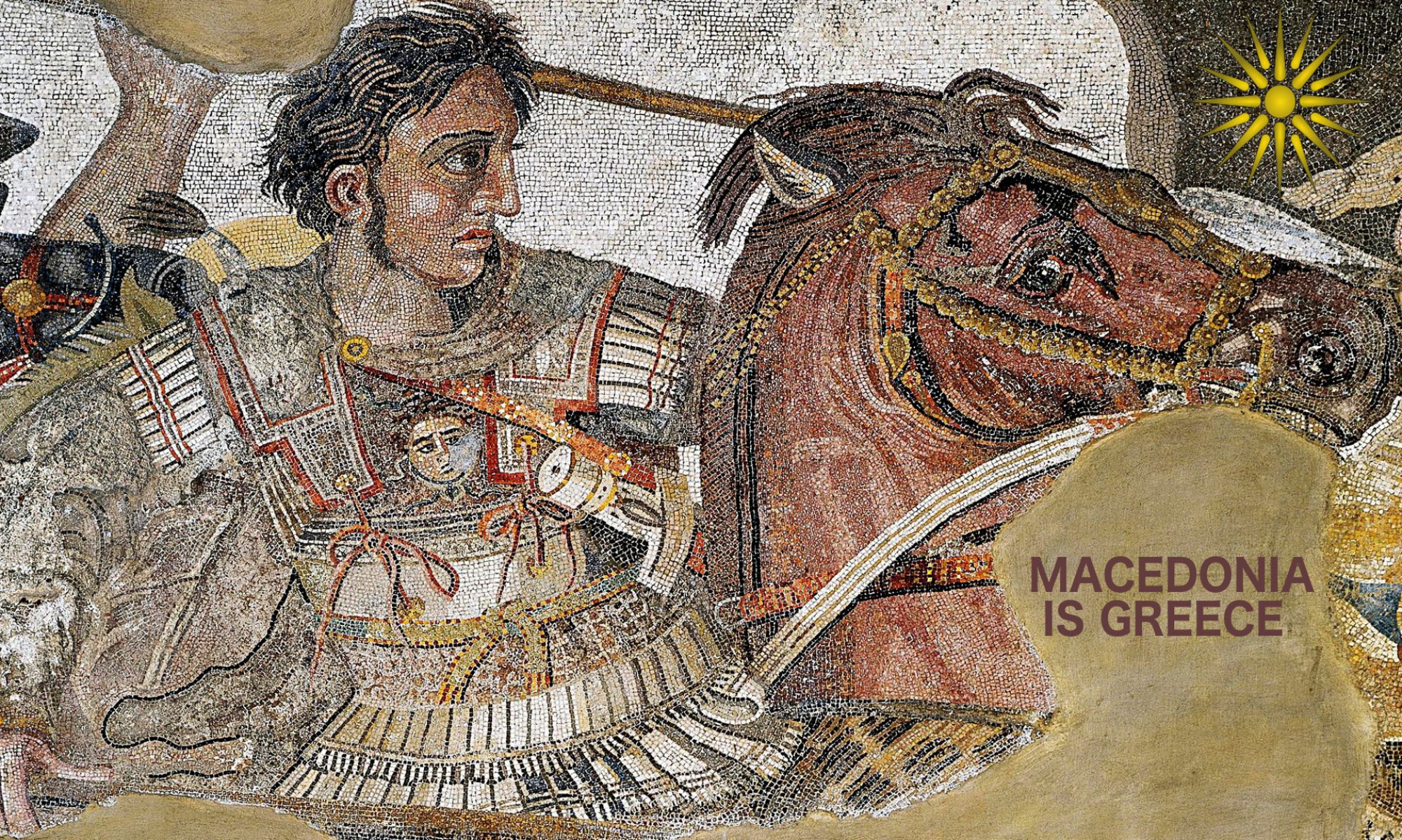
The Importance of Macedonia
Macedonia, located in Southeast Europe, serves as a geographical and historical crossroads of varying cultures and civilizations. Its rich blend of Hellenic, Roman, and Slavic heritage makes it a subject of enduring interest. In recent years, Macedonia has gained attention not only for its scenic landscapes but also for its evolving political and cultural scene, making it a significant point of focus in discussions about the Balkan region.
An Overview of Cultural Significance
North Macedonia, officially known as the Republic of North Macedonia, is renowned for its diverse cultural tapestry. Major cities like Skopje, the capital, showcase a mixture of old and new architecture, with landmarks such as the Skopje Fortress and the recent additions of modern monuments in the centre. The city is also home to a vibrant cultural calendar, featuring events such as the Skopje Jazz Festival and the Balkan Film Festival that attract international audiences.
A notable aspect of Macedonia’s cultural heritage is its religious diversity. The nation is home to significant Orthodox Christian and Muslim communities, which is reflected in the multitude of churches and mosques. The UNESCO World Heritage site of Ohrid, famous for its ancient churches and crystal-clear lake, highlights Macedonia’s historical significance and attracts thousands of tourists each year.
Recent Developments
In recent years, North Macedonia has been working on strengthening its international relations, particularly with neighbouring countries, and has made strides in its European Union accession process. As of 2022, the country has been a candidate for EU membership, with efforts underway to implement reforms and improve economic conditions.
Additionally, North Macedonia has successfully hosted a series of cultural initiatives aimed at boosting tourism. Collaborations with international cultural organisations have led to an increase in art exhibits, music festivals, and historical exhibitions, all geared towards positioning the country as a cultural beacon in the Balkans.
Conclusion
As Macedonia continues to navigate its path towards integration with the European community while preserving its unique cultural identity, the importance of understanding its heritage and contemporary developments is paramount. For readers interested in travel, history, or cultural studies, the ongoing transformation of Macedonia presents numerous opportunities for exploration and understanding. With its rich history and vibrant present, Macedonia remains a fascinating subject that deserves attention in the wider context of European culture.