Introduction
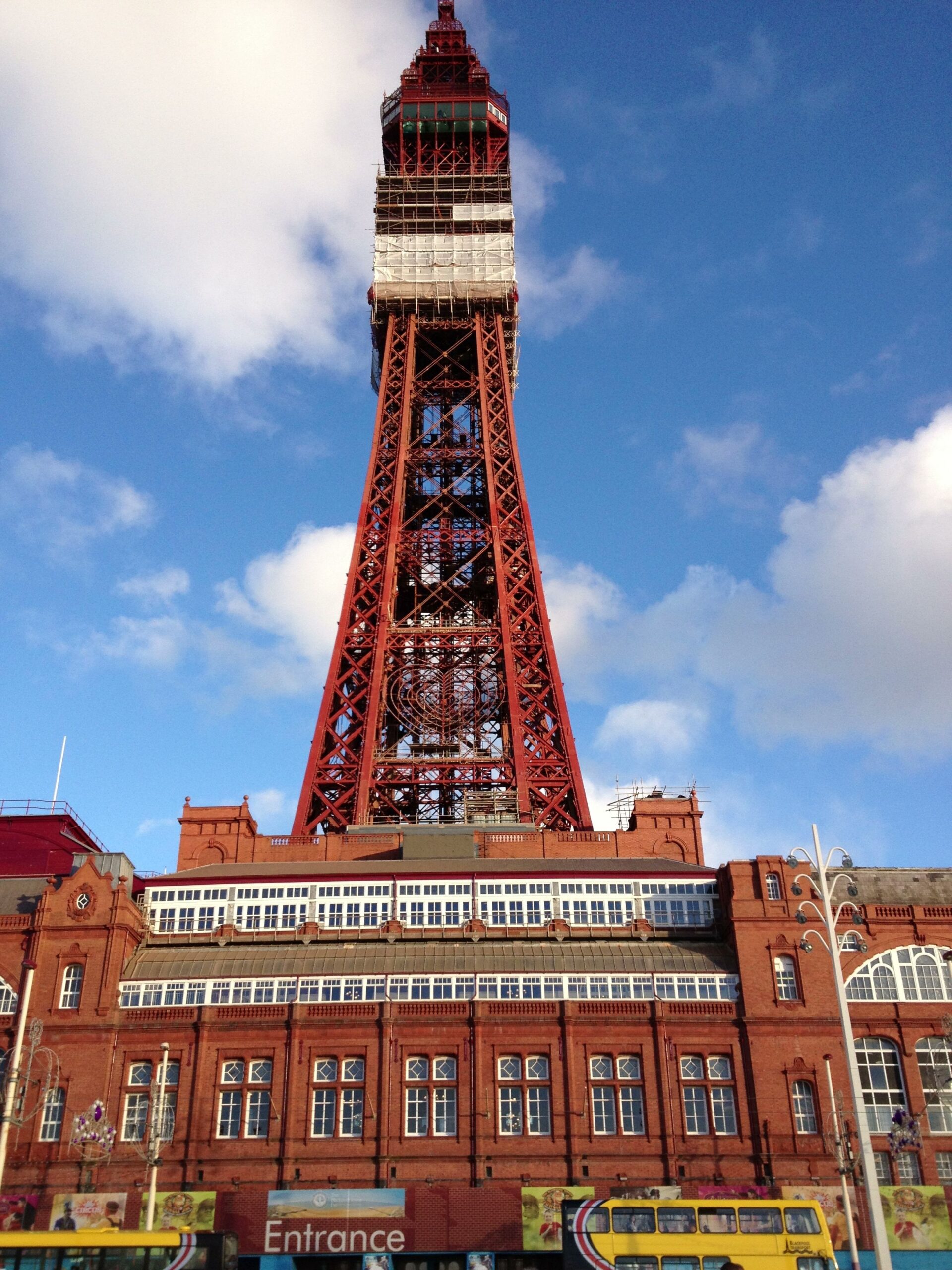
Blackpool Tower stands as one of the most iconic structures in the United Kingdom, symbolising the rich cultural heritage and historical significance of the seaside town, Blackpool. Since its opening in 1894, the tower has become a beloved attraction for locals and tourists alike, pulling in over 500,000 visitors annually. Its distinctive silhouette against the Blackpool skyline and its historic charm make it a fascinating topic of conversation among historians and vacationers.
A Brief History
The Blackpool Tower was inspired by the Eiffel Tower in Paris and spans an impressive 158 meters in height. Built by the Blackpool Tower Company, its initial purpose was to house a series of entertainment and leisure facilities, including a circus, glass viewing platform, and ballrooms. The building’s construction took just over three years and was officially opened on May 14, 1894, marking a significant milestone in Blackpool’s rise as a prime holiday destination.
Current Attractions and Events
Today, Blackpool Tower boasts a variety of attractions that cater to diverse interests. The Tower Eye offers breathtaking panoramic views of the coastline via its glass walkway, while the Tower Circus, featuring the renowned clown Charlie Cairoli, continues to delight audiences with its spectacular shows. Furthermore, the Tower Ballroom hosts regular dance events, where visitors can experience the elegance of ballroom dancing amidst Victorian décor. In recent years, the Blackpool Tower has also played host to themed events, attracting a younger audience and revitalising its historical importance in modern culture.
Preservation Efforts
Proud of its rich heritage, the Blackpool Tower undergoes regular maintenance and preservation to retain its charm and ensure safety for visitors. The tower has recently benefited from significant restoration efforts aimed at both preserving its iconic status and enhancing visitor experiences. The Blackpool Council continues to promote the tower as a vital part of the town’s heritage and an economic asset, driving initiatives to attract both tourists and investors.
Conclusion
The Blackpool Tower is more than just a mere tourist attraction; it is an emblem of the history and spirit of British seaside resorts. As it continues to evolve with contemporary attractions while maintaining its historical roots, the tower is poised to draw in visitors for generations to come. Its significance extends beyond nostalgia, fostering community pride and economic revitalisation in Blackpool. With ongoing efforts to preserve this landmark, the future of the Blackpool Tower looks bright, promising to remain a vital piece of British heritage.