Introduction
Almería, located in the southeastern part of Spain, is often overshadowed by its more famous neighbours, but this picturesque province offers a unique blend of natural beauty, rich history, and cultural significance. With its stunning landscapes, from the dramatic cliffs of its coastline to the arid beauty of the Cabo de Gata-Níjar Natural Park, Almería serves as a testament to Spain’s diverse geography and heritage. Understanding Almería is crucial not only for travelers seeking new destinations but also for those interested in the historical and social developments of the region.
A Brief History
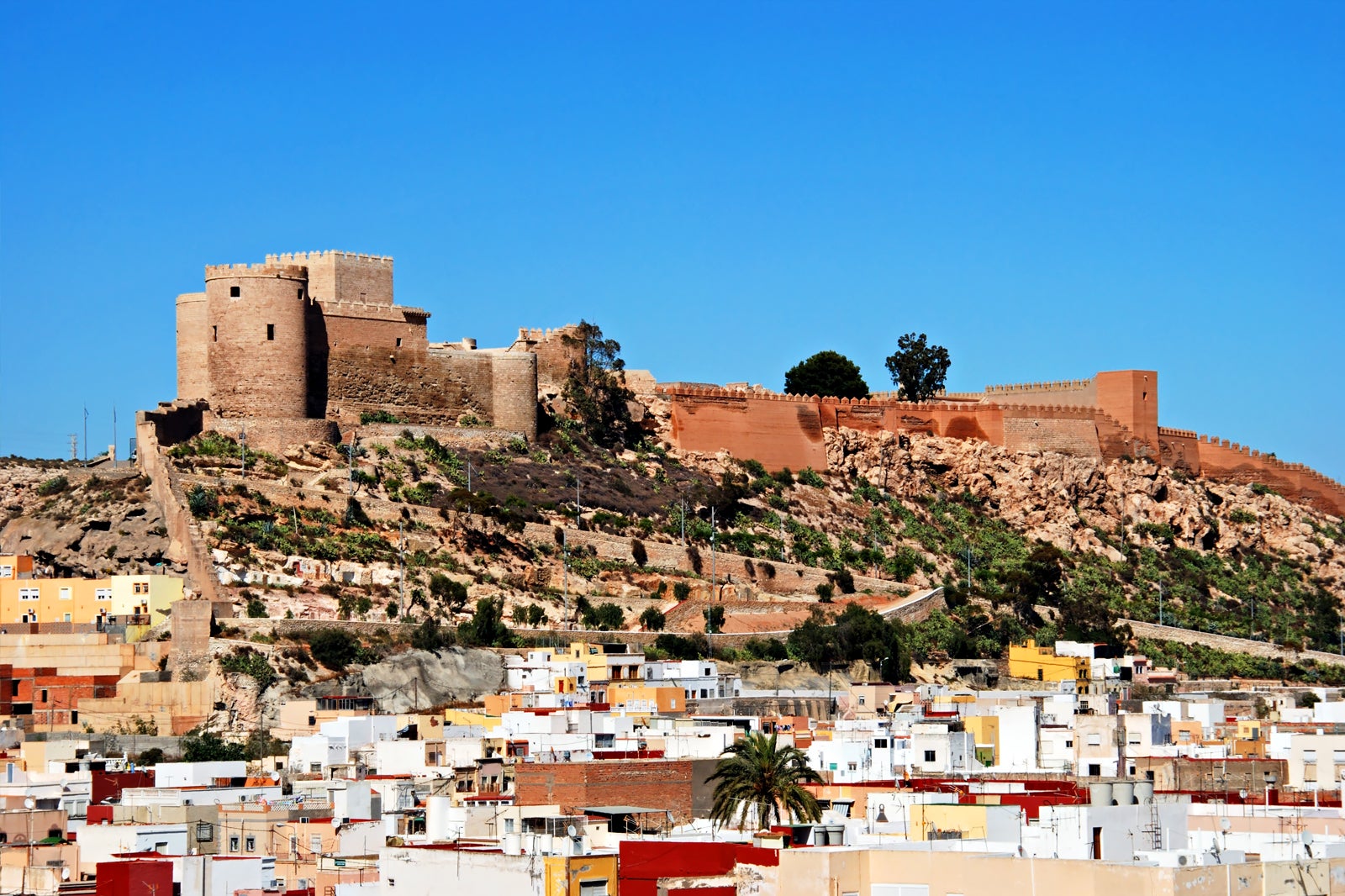
Established during the Islamic rule in the 10th century, Almería was known for its flourishing agriculture and trade. The Alcazaba, a majestic fortress overlooking the city, is a remarkable remnant of this period and reflects the architectural prowess of its time. Over the centuries, Almería has evolved considerably, influenced by various cultures, including the Moors, Christians, and later, Spanish settlers. This historical tapestry enriches the visitor experience, as one can explore both ancient monuments and modern city life.
Natural Attractions
Home to the Cabo de Gata-Níjar Natural Park, Almería is a paradise for nature lovers. This park features stunning geological formations, hidden coves, and diverse plant and wildlife, offering countless opportunities for hiking, bird-watching, and water sports. The region’s semi-desert climate also contributes to its unique ecosystem, making it a key area for agricultural products, including the famous Almería tomatoes that are exported worldwide.
Cultural Significance
Almería has a vibrant cultural scene that is evident in its numerous festivals, gastronomy, and arts. The annual Almería International Film Festival highlights the province’s contribution to cinema, especially as various films have been shot in its scenic locations. The local cuisine deserves a special mention, with fresh seafood, tapas, and traditional dishes like ‘ahumados de Almería’ gaining popularity both locally and internationally. Additionally, museums such as the Almería Museum and the Archaeological Museum provide insights into the province’s historic journey and artistic achievements.
Conclusion
Almería is a treasure trove of natural beauty, history, and cultural richness. As tourism trends evolve, more visitors are beginning to recognise Almería as a compelling destination that offers unique experiences away from the more tourist-heavy regions of Spain. With its enchanting scenery, significant historical sites, and a burgeoning food scene, Almería is poised to attract an even greater number of tourists seeking authenticity and adventure. Ultimately, exploring Almería not only provides enjoyment and relaxation but also deepens one’s understanding of Spain’s diverse cultural landscape.