Introduction
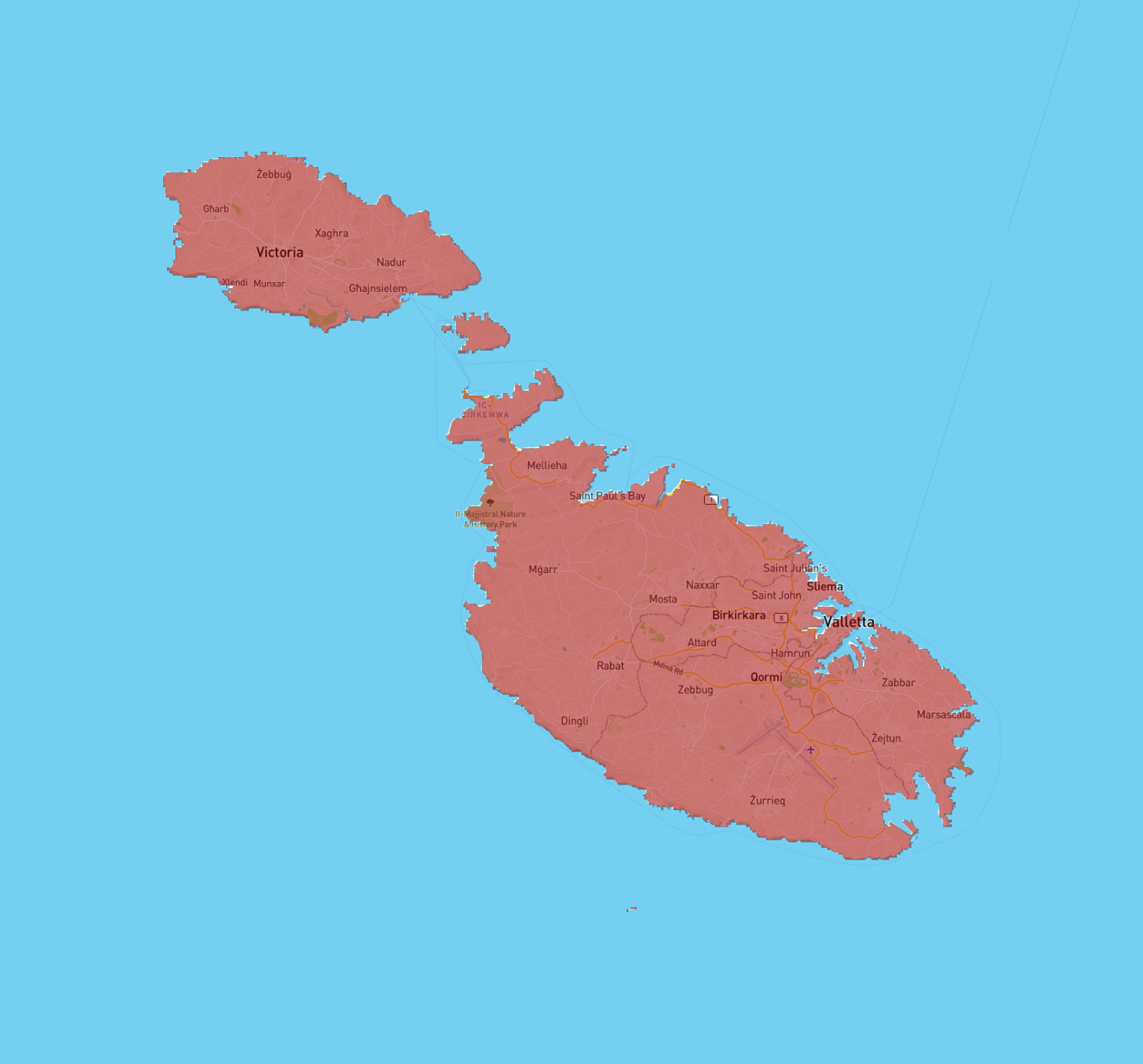
Malta, a small archipelago in the Mediterranean Sea, has garnered international attention for its rich history, diverse culture, and stunning landscapes. With a strategic location between Europe and North Africa, Malta has been a crossroads of civilization for centuries, making it an essential destination for tourists and historians alike. Amidst a resurgence in travel post-pandemic, understanding Malta’s impact on tourism and its cultural significance is more relevant than ever.
Maltese History and Culture
Malta boasts a captivating history dating back thousands of years, with influences from Phoenicians, Romans, Arabs, Knights of St. John, and British colonisers. The capital city, Valletta, is a UNESCO World Heritage Site, filled with baroque architecture and centuries-old temples. Notable historical landmarks include the ancient megaliths of Ħaġar Qim and Mnajdra, which are among the oldest structures on earth. These sites reflect Malta’s archaeological importance and draw visitors interested in ancient history.
Tourism in Current Times
Recently, Malta has experienced a surge in popularity as a tourist destination. According to the National Statistics Office of Malta, the country welcomed over 2.5 million visitors in 2022, marking a 70% increase compared to 2021. This boom is attributed to its favourable climate, stunning coastlines, and vibrant nightlife, alongside a growing reputation for hosting events such as the Malta International Arts Festival and various music festivals. The government has also invested significantly in sustainable tourism initiatives, aiming to preserve the islands’ beauty while promoting economic growth.
Malta’s Natural Attractions
The natural beauty of Malta cannot be overlooked. With numerous beaches, clear turquoise waters, and dramatic cliffs, the islands offer ample opportunities for outdoor activities, including diving, hiking, and sailing. The Blue Lagoon on Comino Island is particularly famous for its idyllic setting. Moreover, the less-visited Gozo Island provides a more tranquil atmosphere, known for its rural charm and the breathtaking Azure Window, a natural stone arch.
Conclusion
As travel continues to rebound, Malta stands out as a versatile destination that appeals to history buffs, culture enthusiasts, and nature lovers alike. As the islands embrace sustainable tourism practices, they balance the need to cater to international visitors with the desire to maintain their unique heritage. Looking ahead, Malta is likely to strengthen its position on the global tourism map, making it essential for potential visitors to discover this Mediterranean jewel while it remains a rich and vibrant place.