
Introduction
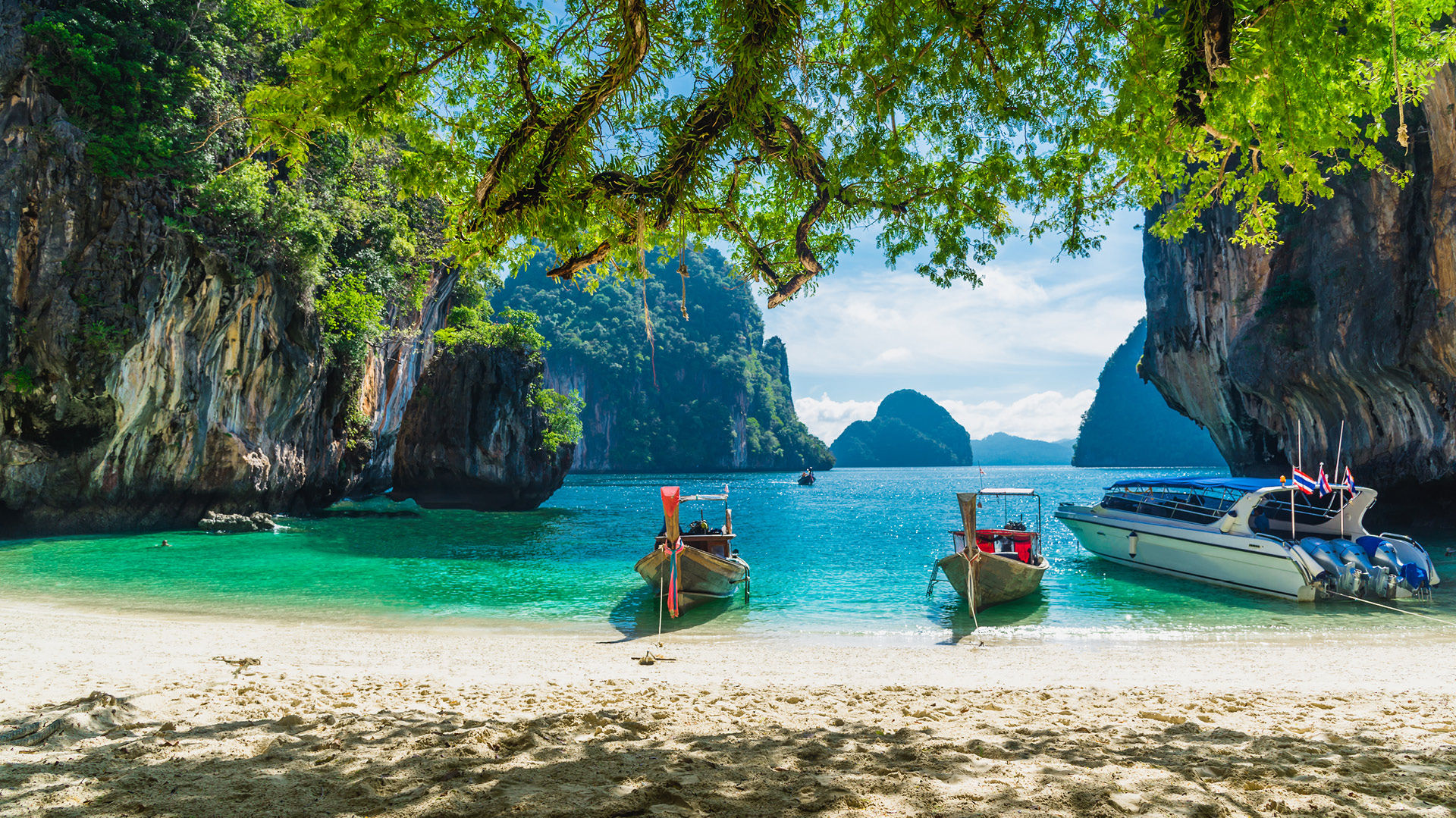
The Andaman Islands, a stunning archipelago located in the Bay of Bengal, is renowned for its pristine beaches, rich biodiversity, and vibrant culture. This remote paradise, a union territory of India, comprises over 300 islands, each holding significant ecological and historical value. With a growing interest in eco-tourism, the Andaman Islands have become an essential topic for travelers, environmentalists, and researchers alike, making it increasingly important to discuss the ongoing developments and conservation efforts in the region.
Significant Developments
In recent years, the Andaman Islands have gained attention not only for their natural beauty but also for infrastructure developments aimed at boosting tourism. In 2023, the Indian government announced plans to enhance connectivity by increasing air travel options and improving ferry services between the islands. These developments are expected to facilitate sustainable tourism while preserving the ecological balance of the region.
Environmental Concerns
Despite the push for tourism, the Andaman Islands face significant environmental challenges. The delicate ecosystem, which includes coral reefs and dense forests, is threatened by climate change, illegal fishing, and unregulated tourism. Recent reports have indicated a rise in pollution levels, prompting environmental activists to urge for stricter regulations to protect the islands’ natural resources. Various NGOs are actively working with the local government to promote the responsible use of these natural assets.
Cultural Significance
The Andaman Islands are also home to Indigenous communities, such as the Jarawa and Sentinalese, who have lived in harmony with nature for centuries. Their unique cultures and traditions are an integral part of the islands’ identity. However, the encroachment of modern tourism poses a risk to their way of life. It is crucial to balance the preservation of these communities while promoting tourism, ensuring that their rights are respected and their cultures remain unexploited.
Conclusion
In conclusion, the Andaman Islands are a jewel in India’s crown, combining breathtaking natural beauty with rich cultural heritage. While efforts to boost tourism and infrastructure are underway, it is imperative to prioritize environmental sustainability and the protection of Indigenous cultures. The future of the Andaman Islands hinges on finding this balance, making it crucial for stakeholders and visitors alike to engage responsibly with this tropical paradise. As the world continues to embrace eco-tourism, the Andaman Islands represent a significant case study for sustainable practices in the realm of travel and conservation.