Introduction
San Marino, one of the smallest countries in the world, is a landlocked microstate situated on the northeastern side of the Apennine Mountains, surrounded by Italy. Despite its size, it boasts a rich history and a vibrant culture that make it a significant point of interest for travellers and historians alike. Understanding San Marino’s unique position as a sovereign state and its historical context helps to highlight its relevance in contemporary Europe.
History and Significance
Founded in A.D. 301 by a Christian stonemason named Marinus, San Marino prides itself on being the oldest sovereign state and constitutional republic in the world. Its enduring independence is a testament to its ability to maintain sovereignty despite the political turmoil of the surrounding larger states. Even during the unification of Italy in the 19th century, San Marino managed to preserve its autonomy, a feat which continues to intrigue scholars and political enthusiasts alike.
Tourism and Attractions
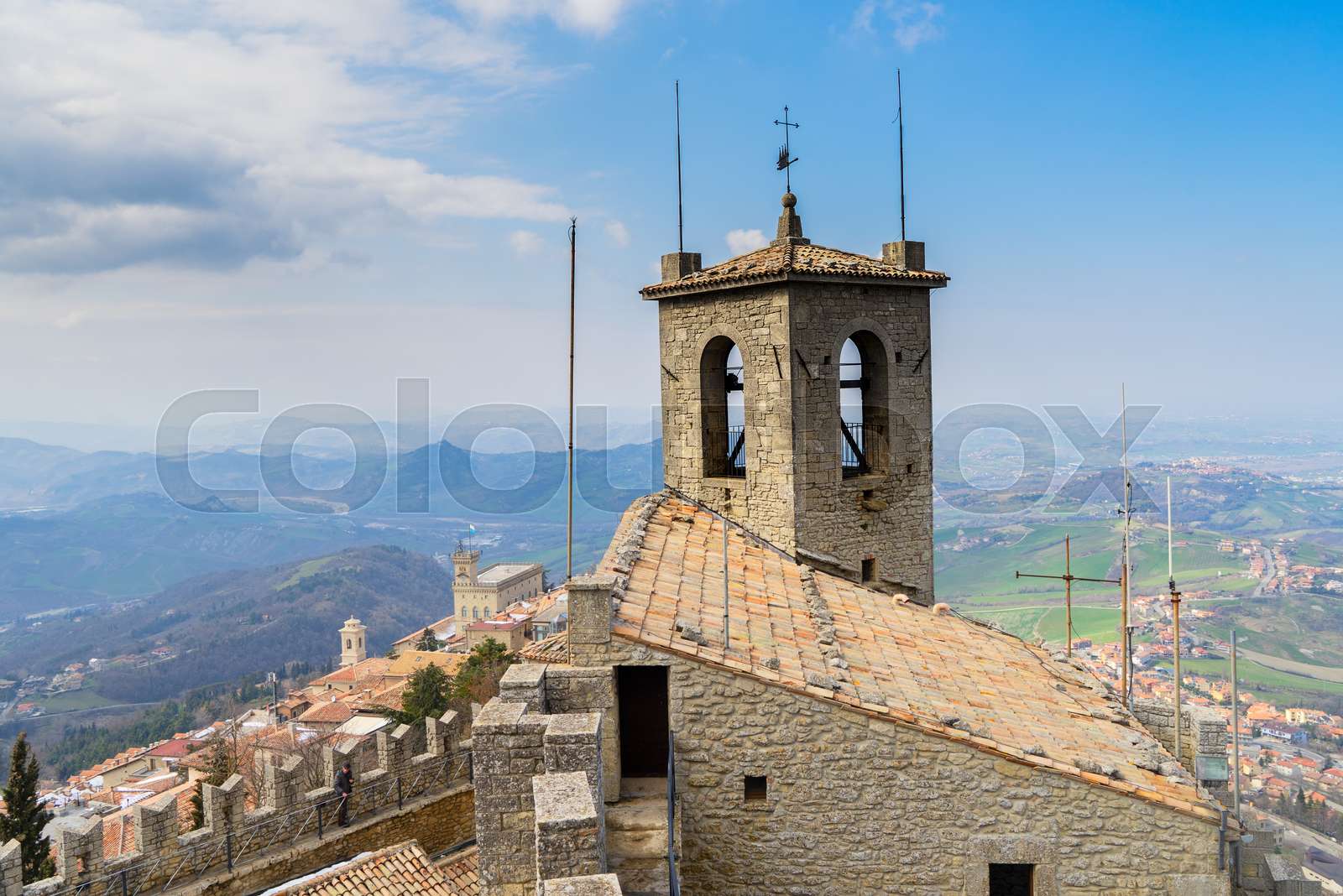
Today, San Marino attracts thousands of tourists each year. Key attractions include the three iconic towers: Guaita, Cesta, and Montale, which offer stunning views of the surrounding countryside. Visitors also flock to the Guaita Tower, the capital, for its medieval architecture, rich museums, and diverse local cuisine.
Recent tourism statistics show that in 2022, San Marino hosted over 3 million visitors, an increase attributed in part to its emphasis on cultural festivals and international events. The country celebrates numerous festivals highlighting its heritage, including medieval reenactments and traditional food fairs, which enhance its cultural appeal.
Current Events and Developments
In recent news, San Marino is focusing on enhancing its international profile through digital initiatives, including promoting its unique cultural heritage online. The government has launched campaigns aimed at attracting remote workers, leveraging its appealing landscape and pleasant climate. Additionally, with the ongoing discussions about eco-tourism, San Marino is looking to position itself as a greener alternative for eco-conscious travellers.
Conclusion
San Marino is more than just a small enclave; it is a microcosm of history, culture, and national pride. With its rich past and evolving present, the country represents a unique juxtaposition of ancient traditions and modern realities, making it a compelling destination for anyone travelling through Italy. As it continues to adapt to the challenges of the 21st century, San Marino’s commitment to preserving its heritage while embracing innovation is likely to reinforce its status as a fascinating European gem.