Introduction
Nordic combined is a distinctive winter sport that fuses cross-country skiing and ski jumping. It has been a staple in the Winter Olympics since 1924, captivating audiences with its unique blend of endurance and agility. As global interest in winter sports continues to rise, understanding the significance of Nordic combined not only highlights the sport’s historical relevance but also its evolving nature in the competitive landscape.
The Components of Nordic Combined
The sport consists of two main disciplines: ski jumping and cross-country skiing. Athletes start with the ski jumping phase, where they take turns launching off a hill and are scored based on the distance and style of their jump. The cross-country skiing segment follows, with athletes racing over a distance that varies depending on the competition format. The combination of these two disciplines tests not only physical stamina but also mental resilience.
Recent Developments in Nordic Combined
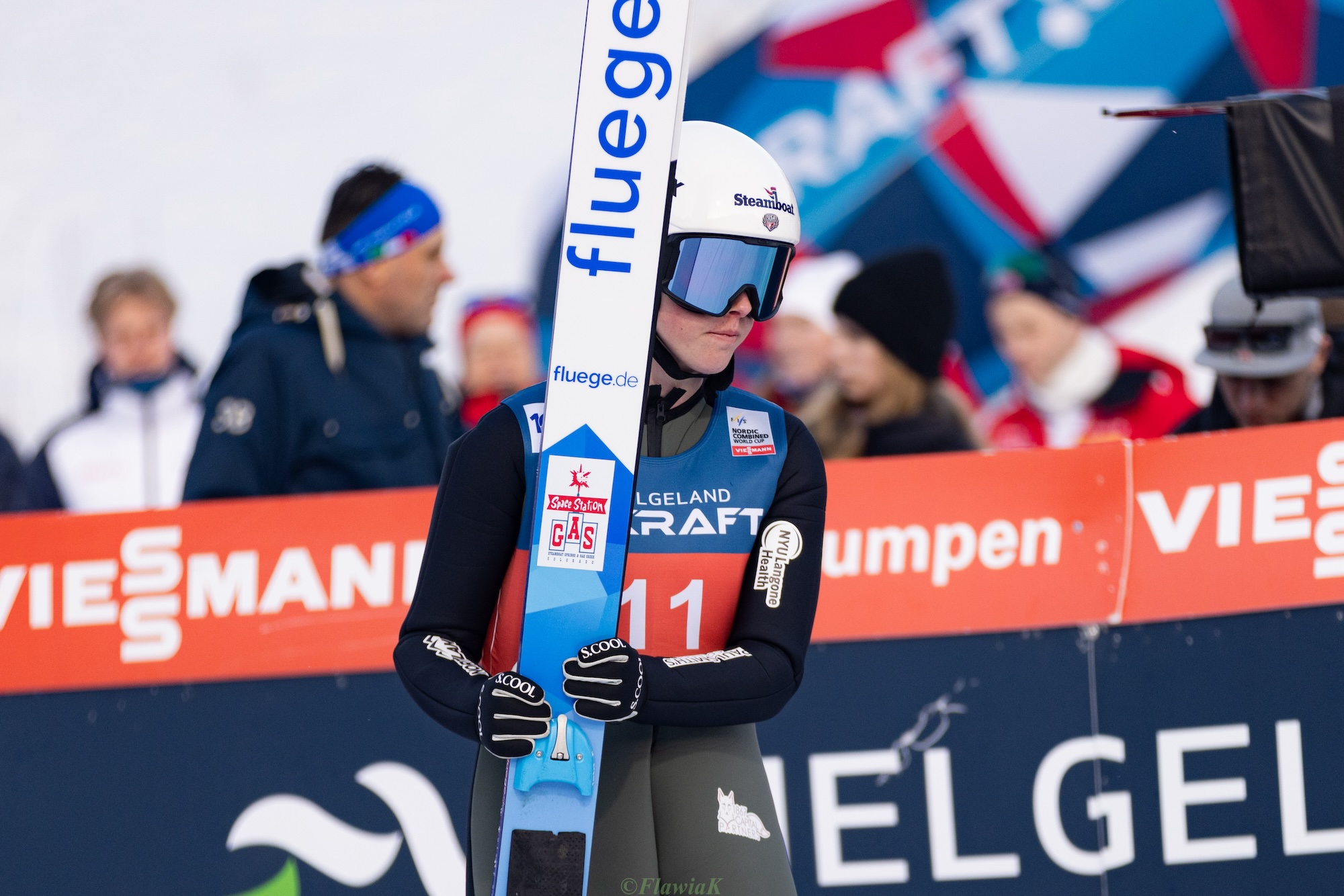
In recent years, the Nordic combined has seen significant changes, particularly in terms of gender inclusion. The International Ski Federation (FIS) introduced the women’s Nordic combined event into the World Cup circuit in 2022, marking a significant milestone for gender equality in winter sports. As a result, female athletes now have the opportunity to showcase their skills on an international platform, similar to their male counterparts.
Additionally, advancements in training techniques and equipment enhancements have made the sport more accessible to aspiring athletes. Countries with a strong winter sports tradition, such as Norway, Germany, and Japan, continue to dominate the medal standings, but grassroots programmes are emerging worldwide to encourage youth participation.
Conclusion
The significance of Nordic combined lies not only in its rich history and thrilling competition but also in its future potential as a platform for promoting equality in sports. With the recent inclusion of women in the sport and increased participation at the youth level, Nordic combined is poised for growth in both popularity and competitiveness. As the next Winter Olympics approach, it will be interesting to see how innovations in training and inclusivity impact the dynamics of this fascinating sport, inspiring a new generation of athletes.