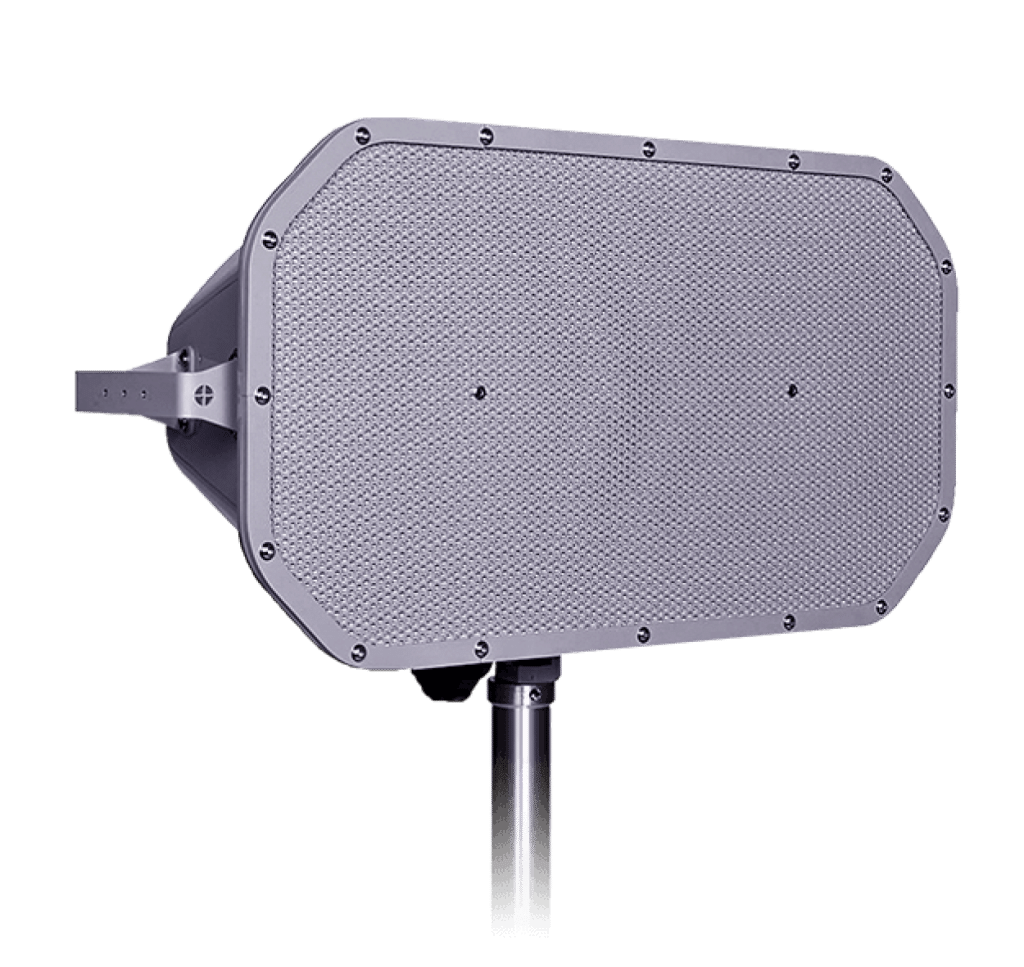
Introduction to LRAD
The Long Range Acoustic Device (LRAD) has garnered significant attention in recent years as a pivotal tool in communication and safety operations. Initially designed for military use, the technology has expanded its applications into various sectors, highlighting its importance in both security and civil communication. Understanding LRAD’s functionality and its role in contemporary scenarios is crucial for recognising its impact on public safety and emergency response.
What is LRAD?
LRAD is a non-lethal communication tool that emits directed sound waves, enabling clear audio transmission over long distances. Operating on high frequencies, LRAD can produce sound loud enough to be heard up to a mile away, making it invaluable in situations where traditional communication methods may be ineffective.
Applications of LRAD
Recent events around the globe have showcased the versatility of LRAD technology. Law enforcement agencies have begun adopting LRAD units for crowd control and public safety communication. For instance, during large-scale protests or emergencies, these devices provide a means to deliver critical information to crowds, helping to prevent panic and ensuring compliance with safety measures.
Moreover, LRAD has proven useful in various maritime operations. It is often employed by the US Coast Guard to communicate with boats at sea, warning them of hazardous conditions or directing them towards safe passages. Additionally, its efficacy in wildlife management has been noted, helping to deter animals from approaching populated areas.
Challenges and Criticisms
Despite its benefits, the use of LRAD has not been without scrutiny. Critics argue that the device can cause auditory harm, especially at high decibels, which raises concerns about its deployment in civilian settings. Human rights advocates urge for regulations to prevent misuse of LRAD in crowd control scenarios, emphasising the need for appropriate training and safe operational guidelines.
Future Implications
As technology continues to advance, the future of LRAD appears promising. Continued research and development are likely to enhance the effectiveness of LRAD devices, expanding their utility in various fields. Innovations may incorporate features that improve user control over sound levels, ensuring that safety remains paramount.
Conclusion
In summary, the Long Range Acoustic Device has established itself as a crucial tool in emergency management and communication. Its growing presence in both public safety and commercial operations highlights its importance in modern society. As discussions about responsible usage continue, understanding the implications of LRAD technology remains essential for ensuring its effective and safe integration into civilian applications.