Introduction
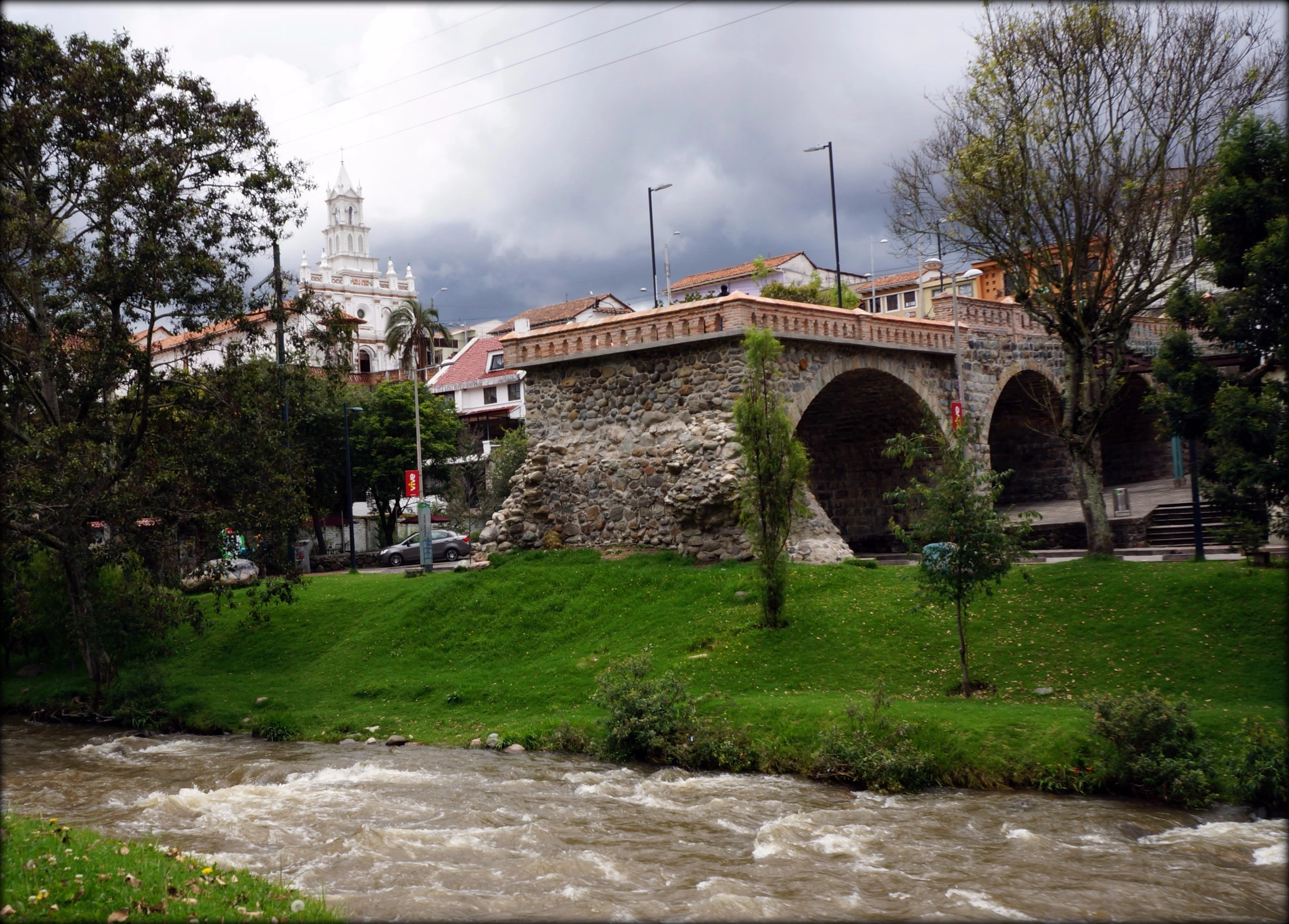
Cuenca, a city nestled in the Andes Mountains of Ecuador, is a hidden treasure that has become increasingly popular among tourists and historians alike. Recognised as a UNESCO World Heritage site in 1999, Cuenca is renowned for its well-preserved colonial architecture, vibrant culture, and rich history. With its picturesque streets, historic churches, and interactive markets, Cuenca offers not just a glimpse into Ecuador’s past, but also a lively atmosphere that appeals to the modern traveller.
Historical Significance
Founded in 1557 by Spanish conquistadors, Cuenca was built atop the ruins of an ancient Incan city called Tomebamba. The city’s layout and architecture reflect a blend of Indigenous and Spanish influences, making it a fascinating study of cultural convergence. Notable landmarks include the Cathedral of the Immaculate Conception, known for its stunning blue domes, and the Inca ruins of Pumapungo, which offer insights into the lives of the pre-Columbian inhabitants.
Cultural Highlights
Today, Cuenca is a thriving cultural hub that hosts various festivals and events throughout the year. The city’s annual celebration of its founding includes parades, concerts, and traditional food stalls that attract both locals and visitors. The Museum of Modern Art and the Museum of the Cañari Indian provide deeper insights into the art and history of the region, showcasing both contemporary and traditional works.
Modern Developments
In recent years, Cuenca has embraced modernisation while retaining its historical charm. The city is increasingly recognised for its excellent quality of life, with many expatriates from around the world choosing to settle there. Major investments in infrastructure, such as the expansion of the tram system and improvements to public amenities, have made it more accessible and appealing. As a result, Cuenca is not just a destination for sightseers but also for people seeking to experience a unique lifestyle within a historical context.
Conclusion
Cuenca holds significant importance both as a cultural landmark and as a vibrant city that continues to evolve. With its rich heritage, stunning architecture, and welcoming community, it remains a must-visit for those exploring Ecuador. As tourism continues to increase, Cuenca is likely to remain a focal point for cultural exchange and preservation, celebrating its past while embracing the future. Visitors can expect an enriching experience that combines history, culture, and modern living in one captivating location.