Introduction
Banjul, the capital city of The Gambia, holds a significant position both historically and culturally within West Africa. Situated on St. Mary’s Island at the mouth of the Gambia River, Banjul is not only a center of government but also a vital hub for trade, education, and tourism in the region. The city’s rich heritage and role in contemporary Gambian life make it a focal point for both residents and visitors alike.
Historical Overview
The city was founded in 1816 by the British as a colony for freed slaves. Originally named Bathurst, its name was changed to Banjul in 1973. Banjul has since developed into an urban centre bustling with life, featuring colonial architecture mixed with vibrant market stalls. The area is historically significant as it was a crucial port during the slave trade, shaping its diverse cultural landscape today.
Current Developments and Events
Recently, Banjul has seen several infrastructural developments aimed at improving transportation and public services. The Banjul International Airport has been a focal point, with upgrades to accommodate increasing tourism, which is crucial for the Gambian economy. Additionally, the government has initiated various clean-up projects to enhance the city’s environmental conditions, particularly around the beaches, which are popular tourist destinations.
In 2023, Banjul hosted the Gambia Economic Summit, which attracted international investors and focused on promoting sustainable development across various sectors. The summit addressed key issues affecting the Gambian economy and provided a platform for discussions on infrastructure, energy, and tourism development.
Cultural Significance
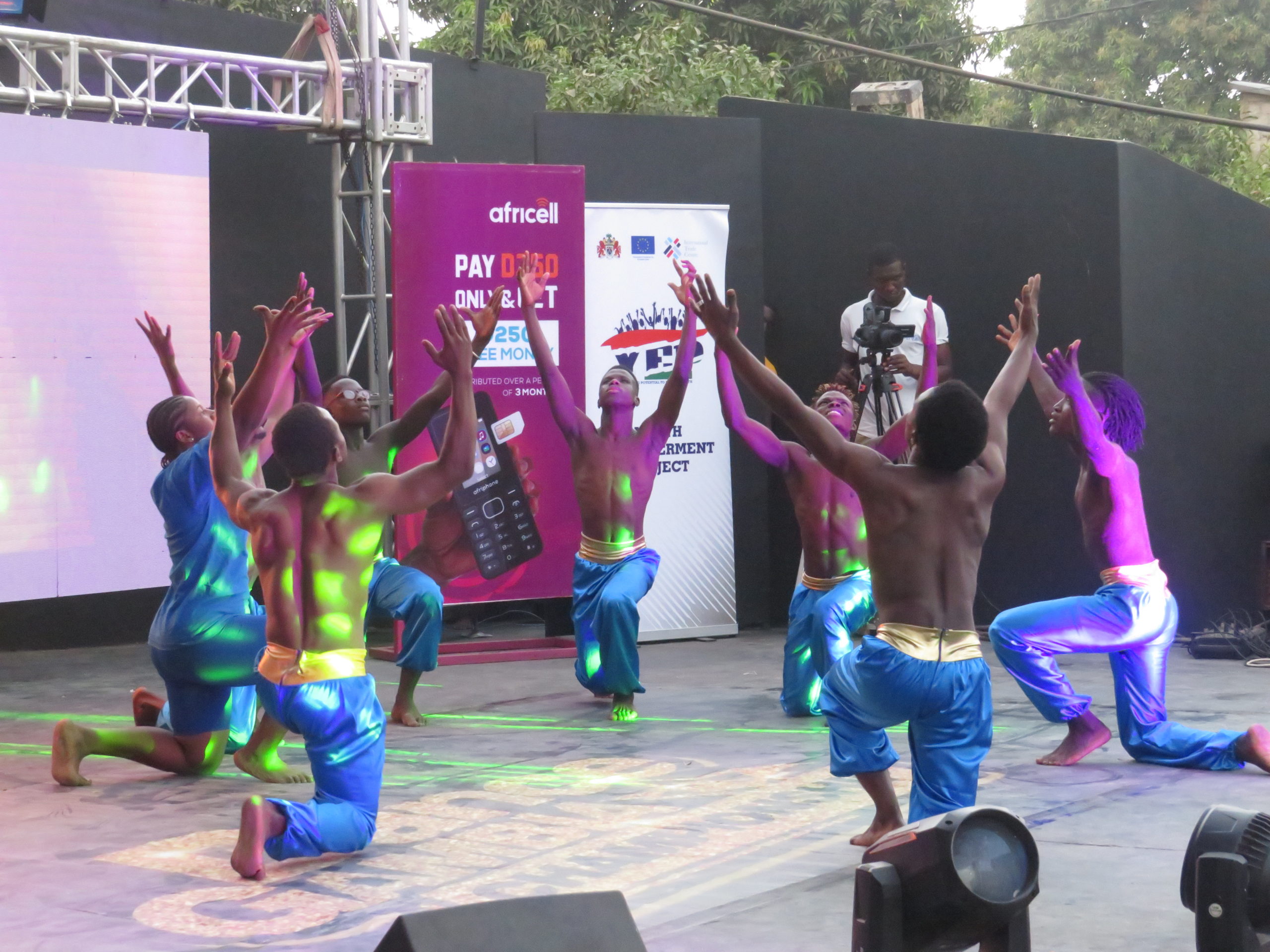
Banjul is not only a political capital but also a cultural heartbeat for The Gambia. The city is home to the National Museum, which showcases the country’s rich history, artefacts, and art. Furthermore, local festivals such as the annual Banjul Arts and Culture Festival highlight the diversity and creativity of Gambian traditions and contemporary art forms.
Conclusion
As Banjul continues to evolve, it underscores the resilience and spirit of the Gambian people. With ongoing infrastructural improvements, cultural celebrations, and economic initiatives, Banjul is set to play an increasingly integral role in the region’s development. For tourists and locals alike, Banjul offers a unique blend of history, culture, and modernity, making it a key destination in West Africa. As we look to the future, Banjul stands poised to embrace new opportunities while honouring its rich past.