Who is involved
In the world of football, expectations often shape the narrative of a team’s journey. For England, the anticipation leading up to their friendly match against Uruguay on March 27, 2026, at Wembley Stadium was palpable. Fans and analysts alike had their eyes set on a squad that would not only showcase talent but also reflect the depth and resilience needed for the upcoming 2026 World Cup. Historically, England has been known for its strong footballing tradition, but recent shifts in management and player selection have introduced a new dynamic.
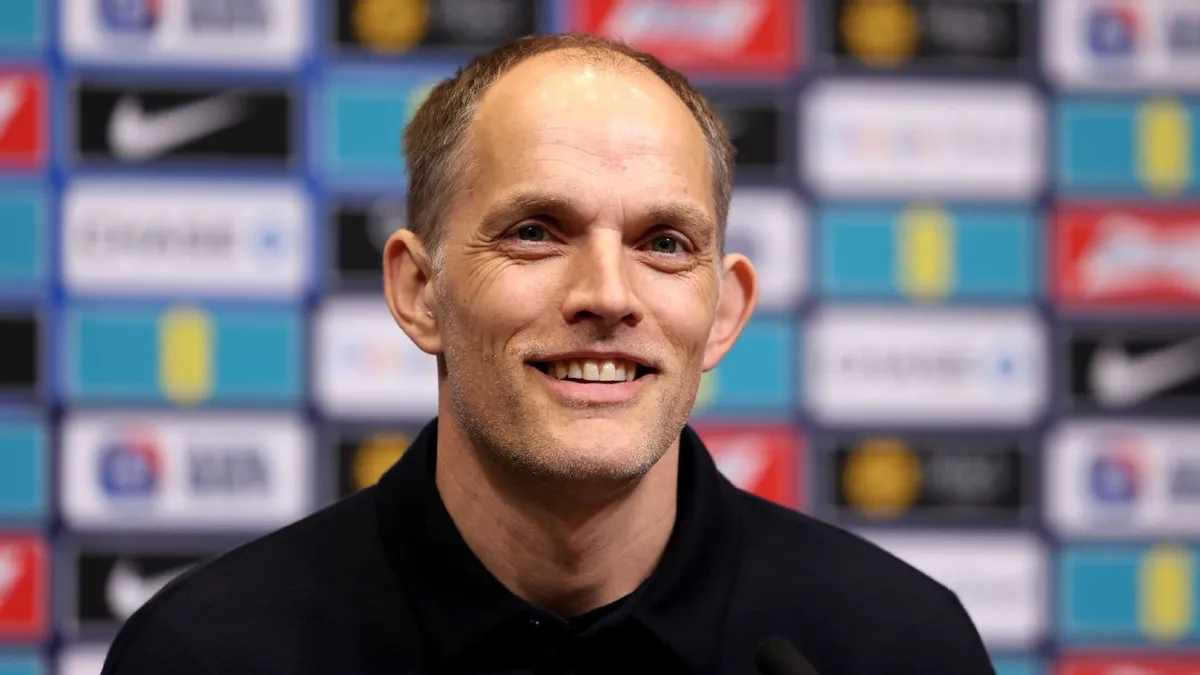
The decisive moment came when Thomas Tuchel, the newly appointed manager, announced a 35-man squad for the friendlies against Uruguay and Japan. This was a departure from previous strategies that often relied heavily on a core group of players. Tuchel’s approach emphasizes player welfare, as evidenced by the decision to give a week off to 11 players, including star striker Harry Kane, who has already played over 3,000 minutes this season and scored 48 goals. This move reflects a growing recognition of the physical demands placed on players and the importance of maintaining their fitness and form.
The immediate effects of this shift are significant. Players like Jordan Pickford are expected to continue as key figures, while others, such as Phil Foden and Cole Palmer, are in a competitive race for the starting No.10 role. The inclusion of younger talents like Elliot Anderson and the resting of established stars like Declan Rice indicate a strategic balancing act. Tuchel’s philosophy appears to be about nurturing talent while ensuring that the squad remains competitive and fresh for the challenges ahead.
Expert voices in the football community have begun to weigh in on this new direction. Tuchel himself noted, “These guys have played 3,500 minutes, some 4,000 minutes this season,” highlighting the physical toll on players. He further emphasized that more important than the pure number of minutes is the context of their playtime, suggesting that some players have logged more minutes than they did in the entirety of last season. This insight underscores the need for a more thoughtful approach to squad management.
As England gears up for their match against Uruguay, the implications of this new strategy are becoming clearer. The match is not just a friendly; it is part of a larger preparation for the World Cup, where England is favored to win. The squad’s composition, including seasoned players like Harry Maguire, who aims to secure a permanent place in the team, reflects a blend of experience and youth. The upcoming match against Japan is expected to feature a more first-choice team, further illustrating Tuchel’s intent to build a cohesive unit.
In this evolving landscape, the emphasis on player welfare may not only benefit the individual players but could also enhance team performance in the long run. The focus on rest and recovery, coupled with strategic squad selection, signals a shift in how England approaches international fixtures. As fans look forward to the match against Uruguay, there is a sense of cautious optimism about the team’s potential.
Ultimately, the road to the 2026 World Cup is paved with both challenges and opportunities. England’s footballing future may hinge on how well Tuchel’s strategies resonate with the players and translate into on-field success. As the kickoff time approaches at 3:45 p.m. ET, the excitement builds, and the hope remains that this new chapter in England’s football history will lead to a triumphant return to the global stage.