Introduction
Ed Miliband, a prominent figure in UK politics, continues to play a significant role in shaping the Labour Party and influencing national discourse. As the party’s leader from 2010 to 2015, Miliband’s policies and vision have had lasting impacts, making his current presence notable as the political landscape evolves. With the upcoming general elections, understanding Miliband’s contributions offers insights into the future direction of Labour and its response to pressing national issues.
Main Body
Ed Miliband, elected as the MP for Doncaster North in 2005, became the leader of the Labour Party after winning the 2010 leadership election. His tenure was marked by attempts to reconnect the Labour Party with the public after the contentious years of Gordon Brown’s leadership. Miliband famously championed progressive issues such as climate change, inequality, and corporate tax reform, advocating for a more inclusive economy.
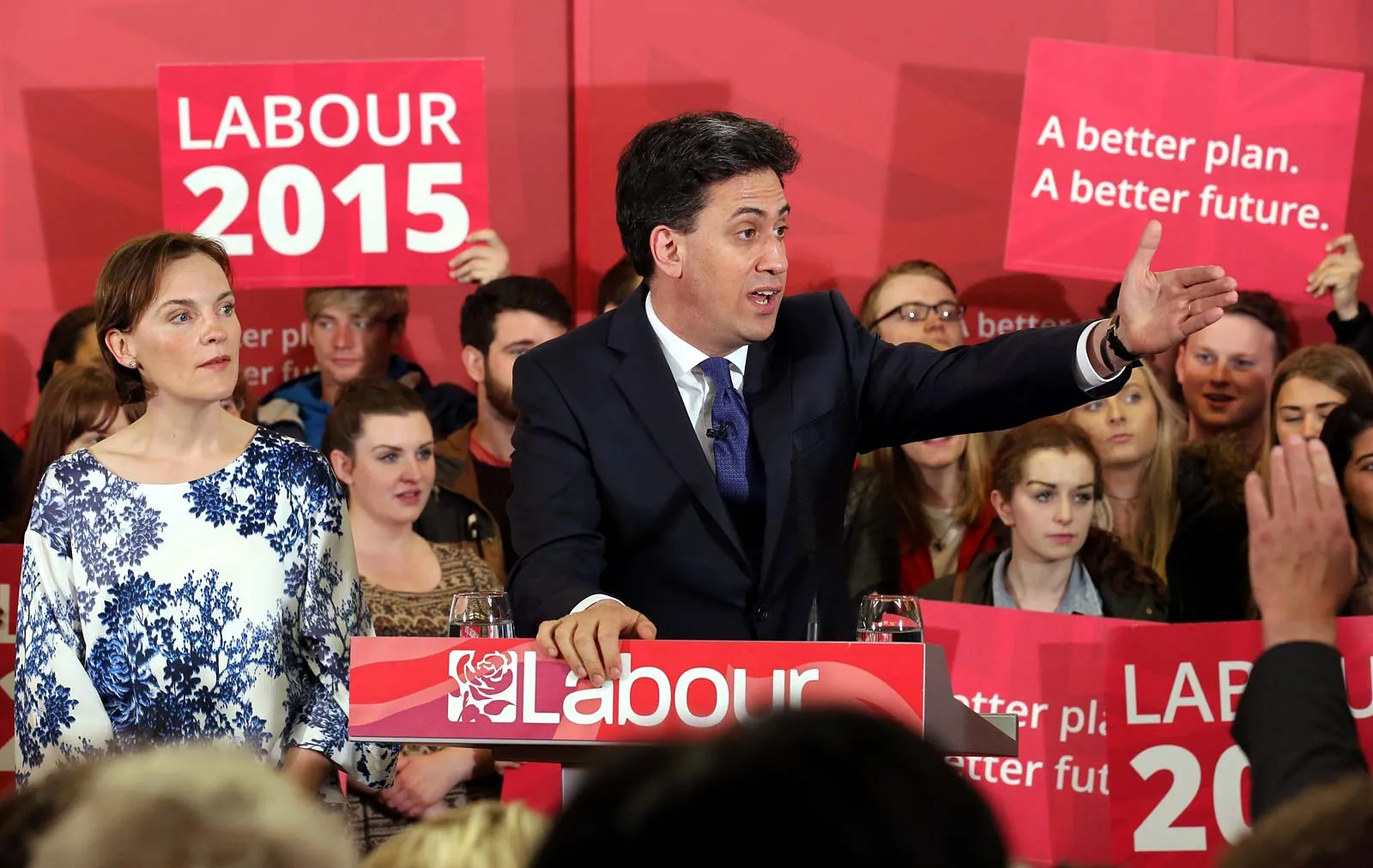
During his leadership, Miliband faced crucial challenges, notably the fallout from the 2015 general elections where Labour suffered significant losses against the Conservative Party led by David Cameron. Despite the setbacks, Miliband has maintained his prominence in political debates, particularly around climate policy and social equality.
In recent years, he has taken on a new role as Shadow Business and Industrial Strategy Secretary, where he focuses on the UK’s economic recovery post-pandemic and aims to drive forward Labour’s agenda in business innovation and sustainability. Noteworthy are his discussions on the Green New Deal, seeking to blend economic growth with environmental stewardship.
As Labour prepares for the next general election, Miliband’s strategies are critical. His insights on energy policy and technology appear increasingly relevant, given the growing concerns over climate change and the cost of living crisis. Analysts suggest that his experience and advocacy could be pivotal in helping to rebuild confidence in the Labour Party amidst a challenging political climate.
Conclusion
In summary, Ed Miliband’s journey from party leader to key shadow cabinet member reflects his ongoing commitment to addressing the significant issues facing the UK today. His influence can shape Labour’s identity and policy direction as the party approaches the next election. With his focus on sustainability and economic resilience, Miliband’s contributions will be crucial to advancing Labour’s platform and potentially positioning it as a formidable contender in the political arena.