Introduction
Ebba Busch, the leader of the Christian Democrats in Sweden, has been making headlines recently as she navigates complex political landscapes. Her role is particularly significant as the country faces various challenges, including economic recovery post-pandemic and housing shortages. Understanding her political manoeuvres offers insights into the future of Sweden’s governance.
Current Events and Political Movements
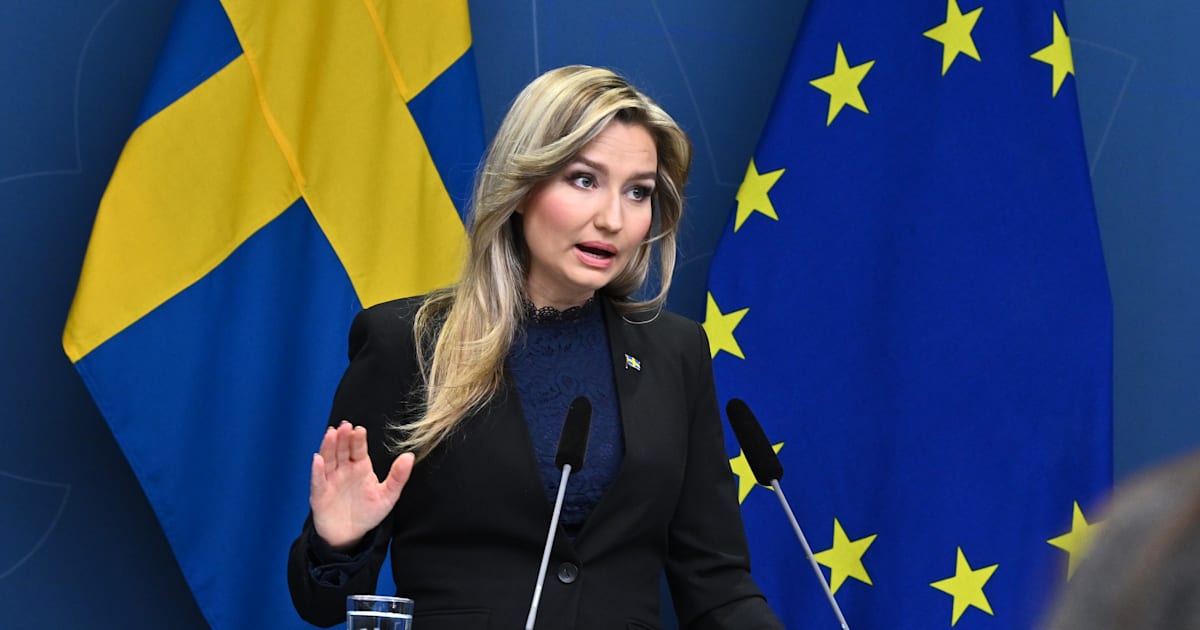
In recent months, Busch has positioned herself as a key player in the Swedish political arena. During a press conference in Stockholm last week, she outlined her party’s priorities, which include addressing climate change, improving healthcare, and enhancing public safety. Busch’s approach has attracted attention as she embraces a more assertive and clear message aimed at appealing to younger voters.
One of the crucial discussions led by Busch revolves around the government’s policies on immigration and integration. With Sweden’s immigration rates at a significant level, she is advocating for a balance between humanitarian responsibilities and the need for societal cohesion. Her proposals reflect a broader political discourse, as various parties in Sweden are adjusting their stances on these sensitive issues.
Public Reception and Challenges Ahead
Ebba Busch’s leadership has not been without its controversies. In a recent poll conducted by Demoskop, her party’s popularity saw a slight dip, reflecting a potential backlash against some of her aggressive political tactics. Nonetheless, she remains a steadfast figure, demonstrating resilience and determination in her campaign for political influence.
Furthermore, Busch faces the ongoing challenge of uniting her party ahead of the upcoming elections. The Christian Democrats aim to regain influence and establish themselves as a viable alternative to larger parties like the Social Democrats and the Moderates. Her ability to navigate internal party politics while appealing to the Swedish electorate will be essential in the coming months.
Conclusion
As Ebba Busch continues to shape her political narrative, her strategies will significantly influence not only her party’s future but also Sweden’s overall political climate. With upcoming elections on the horizon, her leadership and policies will be key focal points for voters. For many, Busch represents a new generation of politicians who are unafraid to tackle contentious issues. As her political journey unfolds, watching her impact on Swedish society will be crucial for understanding the evolving landscape of the nation’s governance.