Reaction from the field
The ongoing Dubai Iran war has plunged the UAE into a state of economic turmoil, with stock markets in Dubai and Abu Dhabi losing an alarming $120 billion in value since the onset of the conflict. The ramifications of this war, which has lasted for over a month and spread across the Middle East, are being felt deeply in the financial sector, raising questions about the future stability of the region.
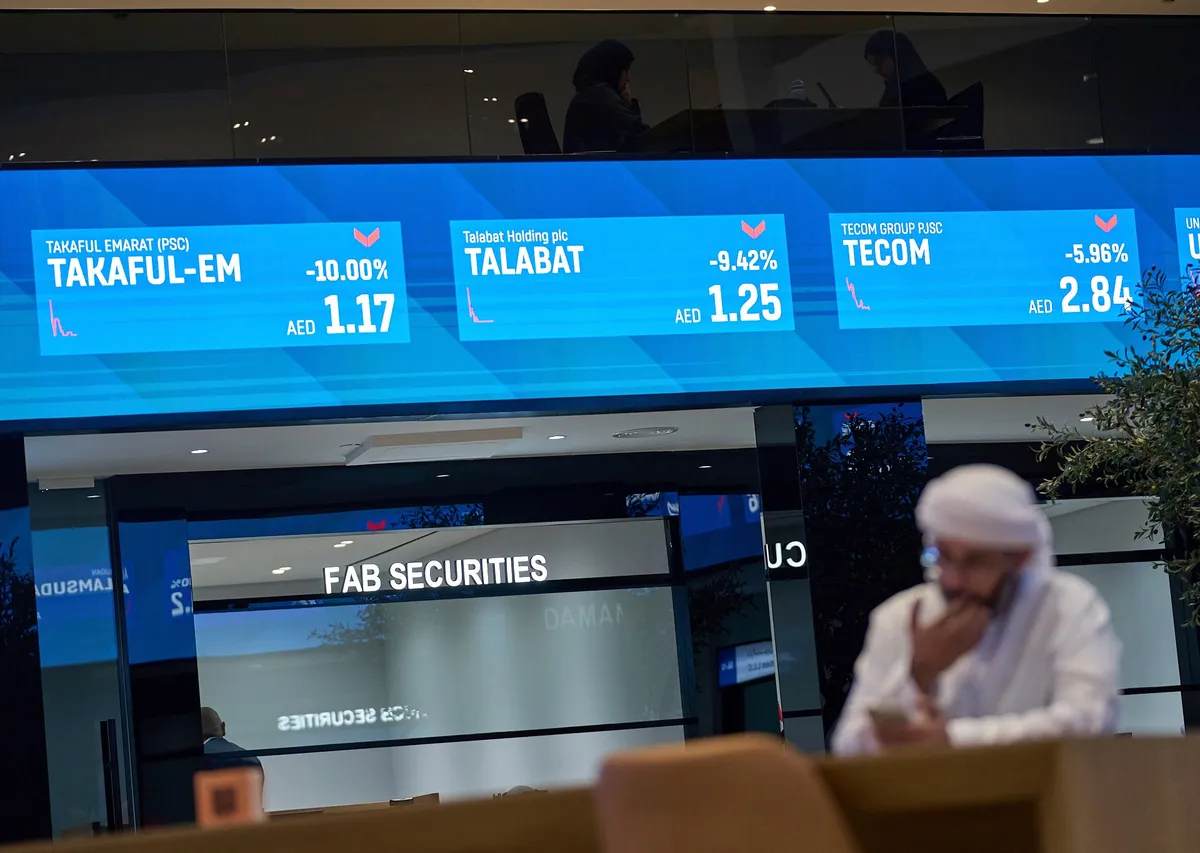
As of March 31, 2026, Dubai’s benchmark index has experienced a dramatic drop of approximately 16 percent since February 28, 2026. The Dubai Financial Market (DFM) General Index alone has seen a staggering loss of about $45 billion in market capitalization. Meanwhile, the Abu Dhabi Exchange (ADX) General Index has shed around $75 billion, reflecting the widespread investor panic and uncertainty that has gripped the markets.
The situation escalated further with a drone attack on the Al-Salmi tanker, a Kuwaiti oil vessel loaded with two million barrels of oil from Kuwait and Saudi Arabia, while it was anchored at Dubai Port. Fortunately, no oil leakage or injuries were reported from this incident. However, it has heightened fears of escalating violence in the region, as noted by Zein Basravi, who remarked, “These attacks seem to be getting closer, they’re getting louder, and one of them hit that oil tanker off the coast of the waters of Dubai.”
The war has not only affected the stock markets but has also resulted in thousands of casualties and significant disruptions to energy supplies across the region. The conflict has caused a 59 percent increase in Brent crude prices in March, further straining the economic landscape and impacting global oil markets.
Despite the dire circumstances, some analysts are cautiously optimistic about the long-term economic outlook for the UAE. Haytham Aoun stated, “It is clearly a short-term setback to investor sentiment and market confidence, but not necessarily a fundamental challenge to the UAE’s long-term economic plan.” This perspective offers a glimmer of hope amid the chaos, suggesting that the UAE’s robust economic framework may withstand the current crisis.
As the conflict continues, the international community is closely monitoring the situation. Iran’s Deputy Foreign Minister Abbas Araghchi emphasized the importance of regional stability, stating, “Iran respects the Kingdom of Saudi Arabia and considers it a brotherly nation.” This sentiment underscores the complexities of the geopolitical landscape, where alliances and enmities can shift rapidly.
Details remain unconfirmed regarding the long-term impact of the war on the UAE’s financial markets. Investors and citizens alike are left grappling with uncertainty as they navigate the challenges posed by this ongoing conflict. The hope remains that diplomatic efforts may soon bring an end to the hostilities, allowing for a return to stability in the region.