The Strait of Hormuz is a critical maritime chokepoint for global oil supplies. It has long been a focal point of geopolitical tensions, particularly involving Iran and its neighboring countries. Recently, these tensions have escalated, leading to significant implications for the global economy and financial markets.
Breaking Development
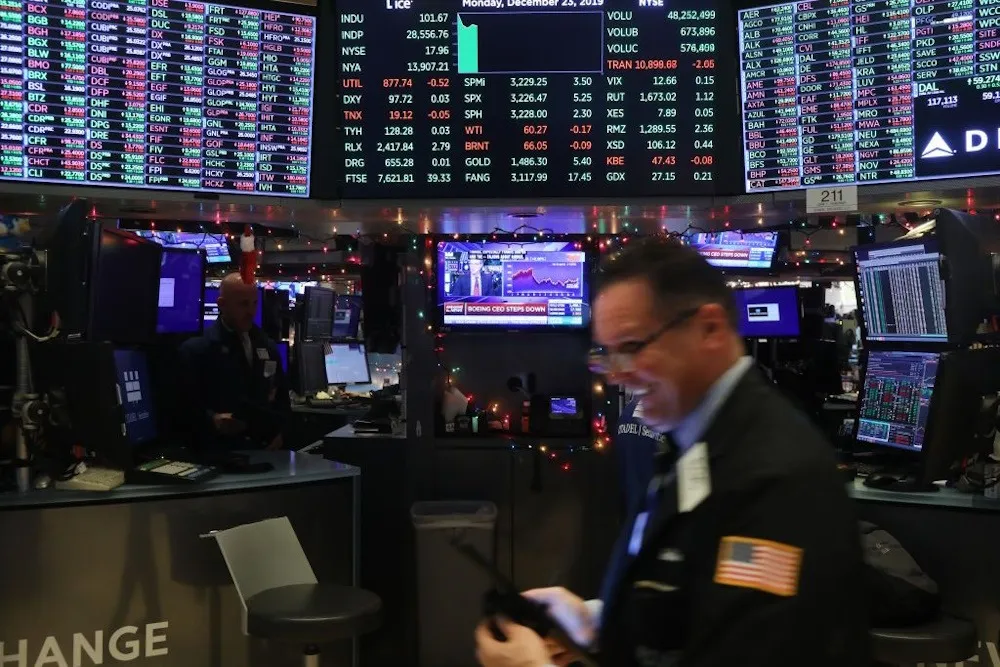
In a dramatic turn of events, Dow futures plummeted over 1,000 points, reflecting a 2.13% decline. This drop was primarily driven by rising geopolitical tensions and surging oil prices, which have raised alarms among investors. The situation intensified when Iran closed the Strait of Hormuz, further impacting global oil supplies.
As a result of these developments, Brent crude futures surged nearly 18% to $109, while West Texas Intermediate (WTI) futures jumped 26% to surpass $107. The CBOE Volatility Index (VIX) soared to 29.49, marking its highest level since April 2022, indicating increased market concern. Rick Rieder, a prominent market analyst, noted, “Markets are clearly jittery as the impact, and duration, of the war in the Mideast are very uncertain, with a potentially wide range of outcomes for economies and important market influences.”
Economic Indicators
In addition to the volatility in oil prices, the latest jobs report revealed that the unemployment rate in the U.S. increased to 4.4%. This rise in unemployment, coupled with the significant fluctuations in oil prices, adds another layer of complexity to the current economic landscape. The yield on the 10-year Treasury spiked 6.6 basis points to 4.198%, further indicating investor anxiety.
Global Oil Supply Concerns
The collapse of Iraq’s oil output by 60% has compounded the situation, leading to fears of a broader energy crisis. The implications of these developments are profound, as they threaten not only the stability of oil prices but also the overall health of the global economy.
Political Statements
Political figures have also weighed in on the situation. Former President Donald Trump stated, “Short term oil prices, which will drop rapidly when the destruction of the Iran nuclear threat is over, is a very small price to pay for U.S.A., and World, Safety and Peace.” He further remarked, “Khamenei’s son is unacceptable to me,” reflecting the heightened political stakes involved in the ongoing tensions.
As the situation continues to unfold, observers are left to speculate on the potential outcomes. The war’s rapid spiral into greater levels of peril stoked fears that multiple worst-case scenarios could be realized. Details remain unconfirmed regarding the exact impact of the geopolitical tensions on the stock market and the duration and outcome of the U.S.-Israeli war on Iran.
The current state of Dow Jones futures underscores the fragility of the market in the face of geopolitical unrest and rising oil prices. Investors are advised to remain vigilant as the situation develops, with potential implications for both the financial markets and the broader economy.