Introduction to Zorro Ranch
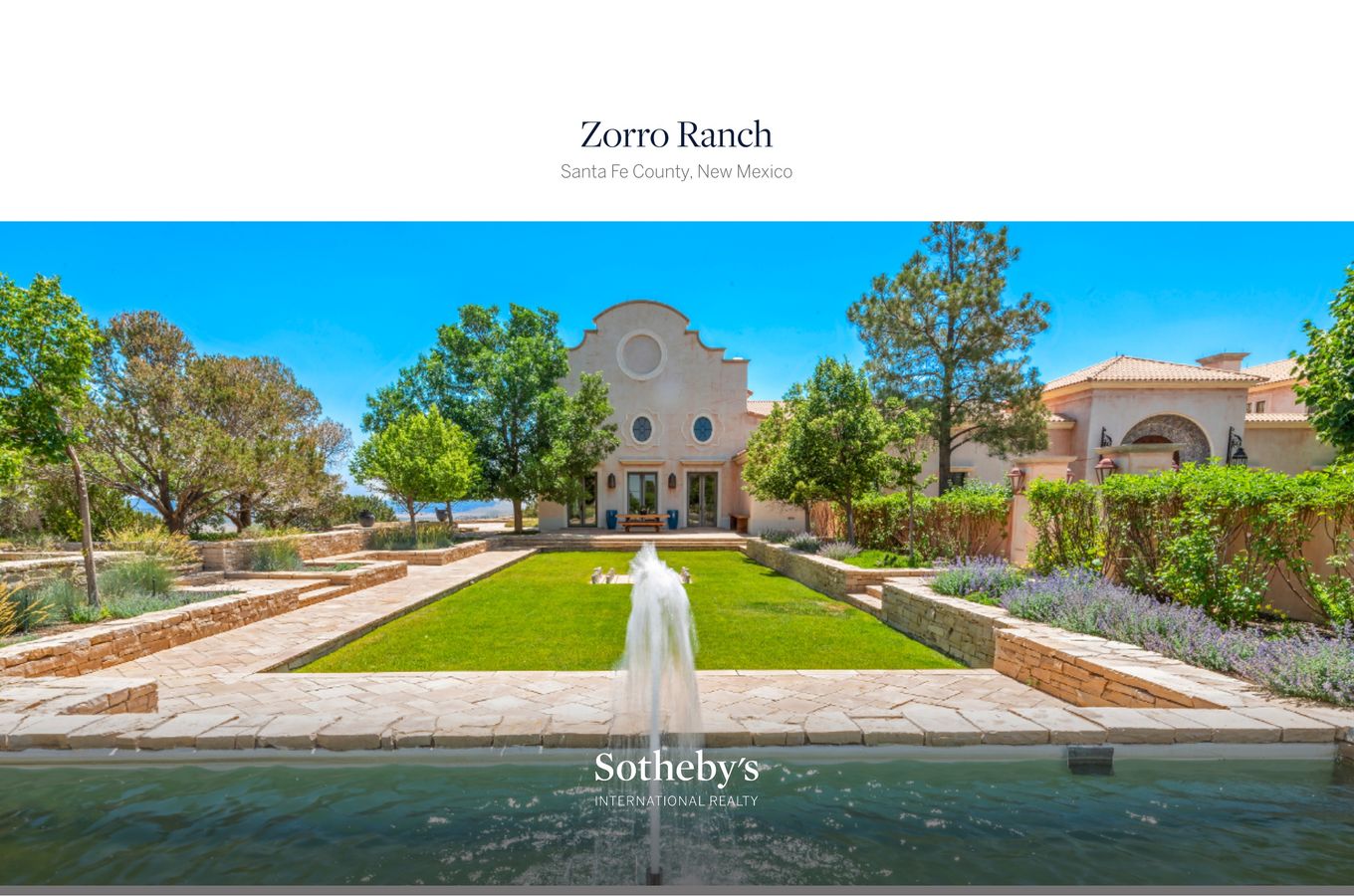
Zorro Ranch, nestled in the picturesque landscapes of New Mexico, is more than just a stunning estate. Owned by billionaire entrepreneur John Paul DeJoria, co-founder of Paul Mitchell hair products and Patron Spirits, this 2,000-acre property not only showcases natural beauty but also serves as a hub for philanthropy and sustainable living. The significance of Zorro Ranch extends beyond its breathtaking views; it highlights the importance of responsible land stewardship and community involvement.
A Glimpse into the Estate
Situated near Santa Fe, Zorro Ranch features abundant open land, sprawling views of the Sangre de Cristo Mountains, and a variety of ecosystems, from rolling hills to lush valleys. DeJoria purchased the ranch in 1996, and since then, he has endeavoured to maintain its pristine condition while promoting environmental sustainability. His vision for the ranch includes organic farming, wildlife conservation, and providing locals with resources to support their wellness and education.
Philanthropy and Community Engagement
The ranch is also a testament to DeJoria’s commitment to giving back to society. Zorro Ranch serves as a venue for numerous charitable events aimed at supporting local communities, wildlife preservation efforts, and educational initiatives. DeJoria is known for his entrepreneurial spirit, but it is his philanthropic efforts that resonate deeply with his vision for the ranch. Through partnerships with local organisations, Zorro Ranch actively fosters developmental programs that focus on health, education, and environmental awareness.
Modern Developments and Initiatives
Recently, Zorro Ranch has embarked on initiatives to enhance its role as a center for sustainable practices. This includes the implementation of solar energy solutions to power the estate, permaculture farming techniques, and wildlife habitat restoration projects. Such efforts not only contribute to environmental conservation but also position Zorro Ranch as a model for sustainable living, inspiring other property owners to adopt similar practices.
Conclusion: The Future of Zorro Ranch
As Zorro Ranch continues to evolve, its blend of natural splendor and social responsibility indicates a promising outlook for the future. The estate stands as a significant symbol of what can be accomplished when entrepreneurship intersects with sustainability and community service. For readers looking for inspiration in their own lives, Zorro Ranch underscores the idea that our resources, no matter how grand, can and should be used for the betterment of society and the environment. As DeJoria himself states, ‘Success unshared is failure.’ Zorro Ranch embodies this ethos, remaining a beacon of hope and a blueprint for others to follow.