The Significance of Tall Buildings
The fascination with skyscrapers reflects humanity’s ambition for innovation, economic power, and urbanisation. As cities grow, the construction of taller buildings has become a symbol of national pride and technological achievement. Understanding the current tallest buildings provides insight into architectural advancements and urban development trends around the globe.
Recent Changes in Rankings
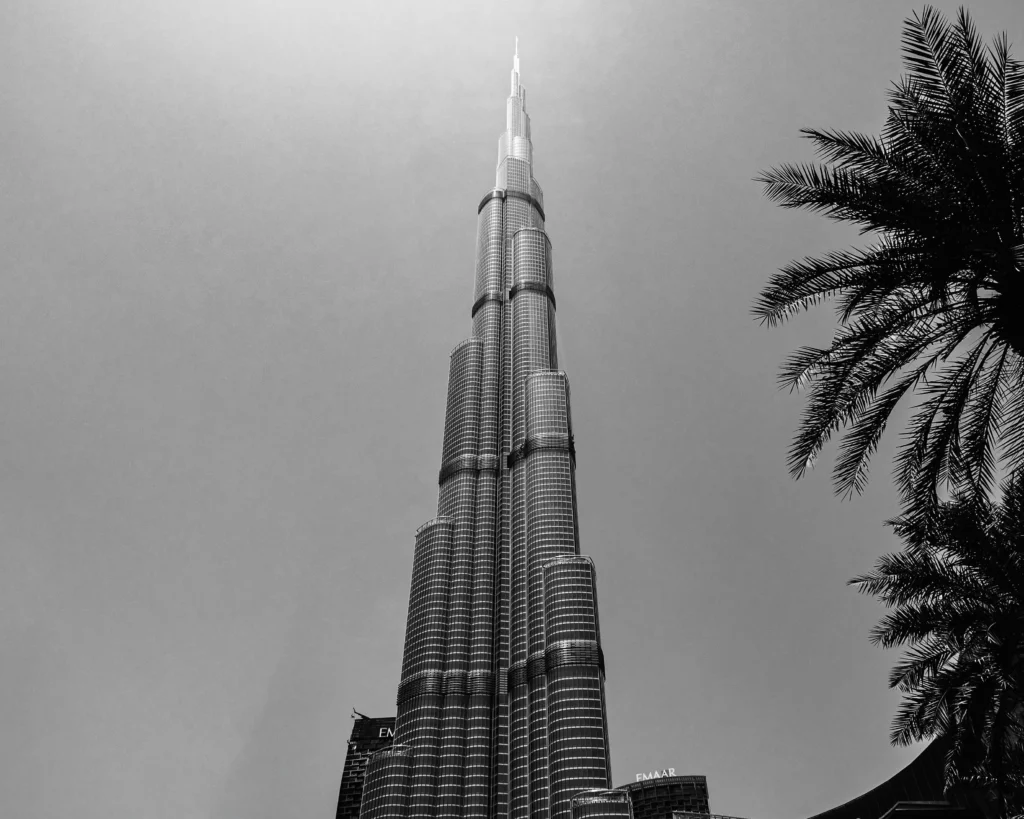
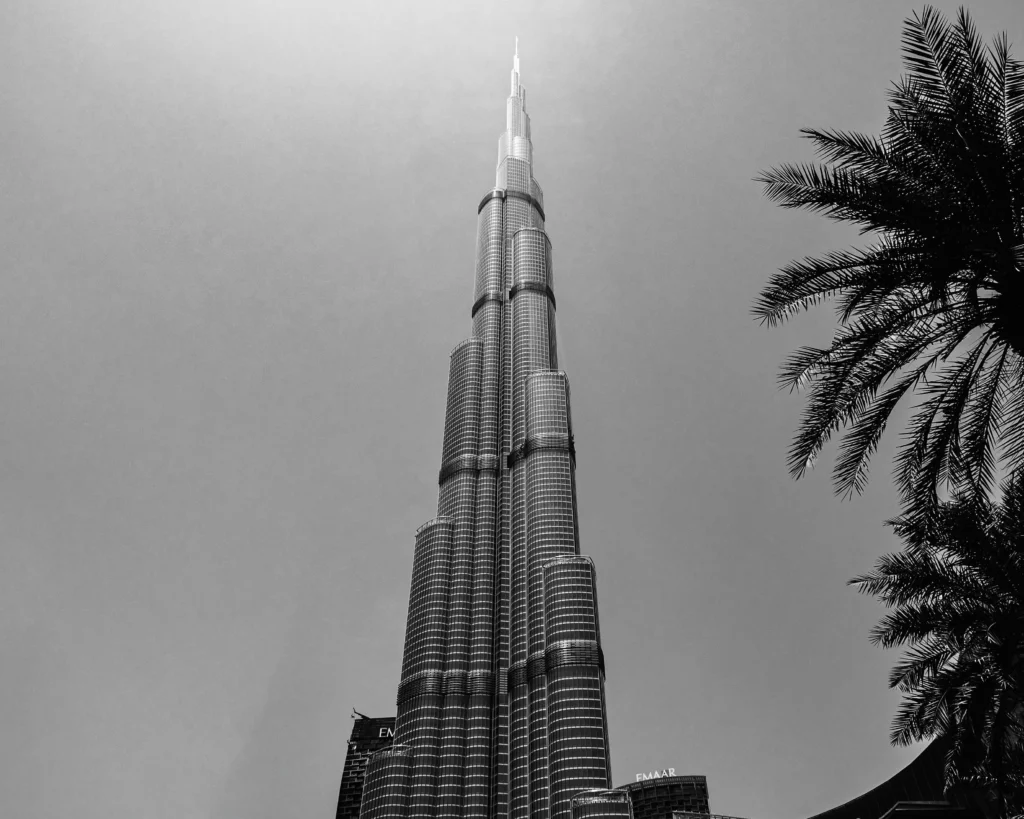
As of 2023, the Burj Khalifa in Dubai remains the tallest building in the world, standing at a staggering height of 828 metres (2,717 feet). However, developments in skyscraper construction continue to push boundaries. The Shanghai Tower in China is the second tallest, reaching 632 metres (2,073 feet), and the Abraj Al Bait Clock Tower in Mecca, Saudi Arabia, ranks third with a height of 601 metres (1,971 feet).
Emerging Structures
Several ambitious projects are underway that could potentially shift this ranking in the coming years. The Jeddah Tower in Saudi Arabia, intended to reach 1,000 metres (3,281 feet), is currently under construction and aims to become the first building to break the kilometre mark. Another noteworthy project is the One World Trade Center in New York City, which stands at 541 metres (1,776 feet) and commemorates the resilience of the city post-9/11.
Architectural Innovations
Modern skyscrapers not only focus on height but also on sustainability and smart technologies. These buildings are increasingly designed to be energy-efficient, using materials and systems that reduce their carbon footprint. The Edge, in Amsterdam, is a prime example of how sustainability is integrated into design, featuring green roofs and smart technologies that enhance energy efficiency.
Conclusion and Future Prospects
As we progress through 2023, the construction of taller and smarter buildings is expected to transform city skylines around the world. While current records may stand, innovations in engineering may soon see new contenders rise to the top of the list. The fascination with the world’s tallest buildings continues to inspire architects and urban planners to push the limits of what is possible, making them a significant aspect of global culture and development.