Introduction
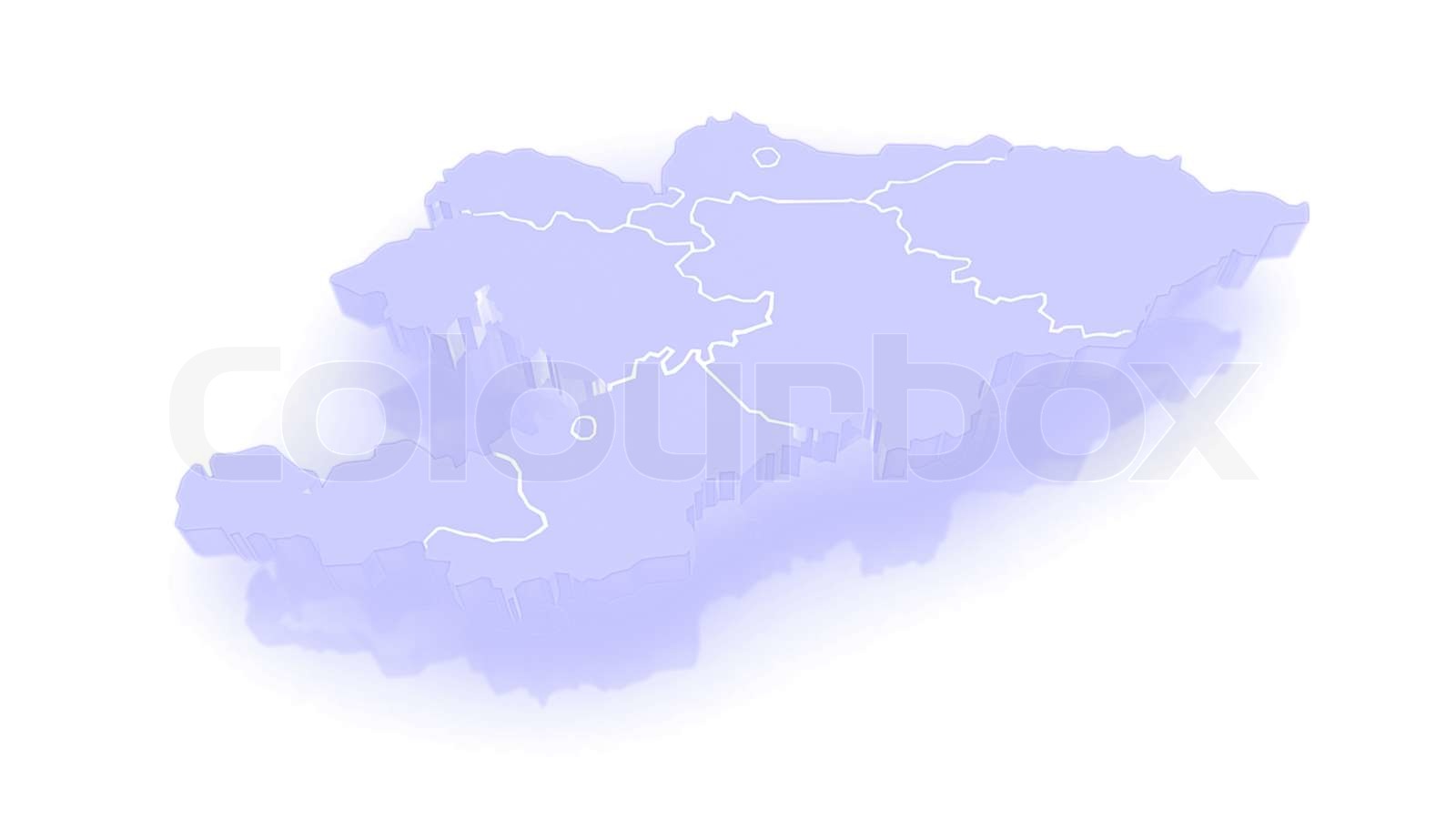
Kyrgyzstan, a landlocked country in Central Asia, is renowned for its breathtaking landscapes, rich culture, and nomadic heritage. Nestled between Kazakhstan, Uzbekistan, Tajikistan and China, this mountainous nation covers a significant portion of the Tien Shan mountain range, making it a haven for outdoor enthusiasts and a unique destination for tourists. The increasing global interest in ecotourism and adventure travel has brought Kyrgyzstan into the limelight, emphasizing the importance of understanding its culture and geography.
Geographical Significance
Covering an area of approximately 199,951 square kilometres, Kyrgyzstan boasts some of the highest peaks in the region, including the famous Pik Pobeda, which reaches an altitude of 7,439 metres. The country’s geography is marked by lovely alpine lakes such as Issyk-Kul, the second-largest saline lake in the world, and the stunning Ala Archa National Park, which showcases diverse plant life and wildlife.
Cultural Heritage
Kyrgyzstan is home to a rich tapestry of ethnicities and cultures, primarily the Kyrgyz, who are known for their strong nomadic traditions. The country’s history is deeply intertwined with the legacy of the Silk Road, which facilitated the exchange of goods and ideas between East and West. This cultural confluence is evident in Kyrgyz music, art, and cuisine. Recent events have highlighted efforts to preserve and promote this heritage, with initiatives such as the World Nomad Games, which celebrate traditional sports and rituals.
Recent Developments
The tourism sector in Kyrgyzstan has seen significant growth in recent years, particularly since the introduction of a visa-free regime for citizens of over 60 countries. From trekking and horseback riding to experiencing traditional yurt stays, visitors are drawn to the country’s natural beauty and cultural richness. Furthermore, the government has initiated projects to enhance infrastructure and promote eco-friendly tourism practices, ensuring the sustainability of its natural resources.
Conclusion
Kyrgyzstan represents a unique crossroads of nature and culture, making it an exciting destination for travellers seeking adventure and authenticity. As global interest continues to rise, there is potential for economic growth through tourism that preserves its environmental and cultural integrity. While challenges remain, such as developing infrastructure and maintaining political stability, the future looks promising for Kyrgyzstan as it embraces its role as a key player in Central Asia’s tourism landscape.