Introduction
New Guinea, the world’s second-largest island, is renowned for its extraordinary biodiversity and diverse cultures. As a vital ecological hotspot, it hosts a myriad of species not found anywhere else on Earth. The island’s significance extends beyond its unique fauna and flora; it is a beautiful tapestry of cultures, languages, and traditions. Recent environmental challenges and conservation efforts further underline the importance of New Guinea today.
Biodiversity and Conservation Efforts
Home to over 20,000 plant species, 1,000 species of birds, and countless mammals and reptiles, New Guinea’s biodiversity is unparalleled. The island’s complex ecosystems, which include tropical rainforests, mangroves, and coral reefs, provide essential habitats for many endangered species. However, deforestation, mining, and climate change pose significant threats to these habitats.
Recent studies show that approximately 20% of New Guinea’s forest cover is now at risk due to logging and agricultural expansion. Ongoing efforts by local and international conservation groups are working to mitigate these impacts. In 2022, the Papua New Guinea government announced plans to establish several new protected areas to conserve its unique wildlife and habitats, a crucial step towards preserving the island’s ecological integrity.
Cultural Diversity
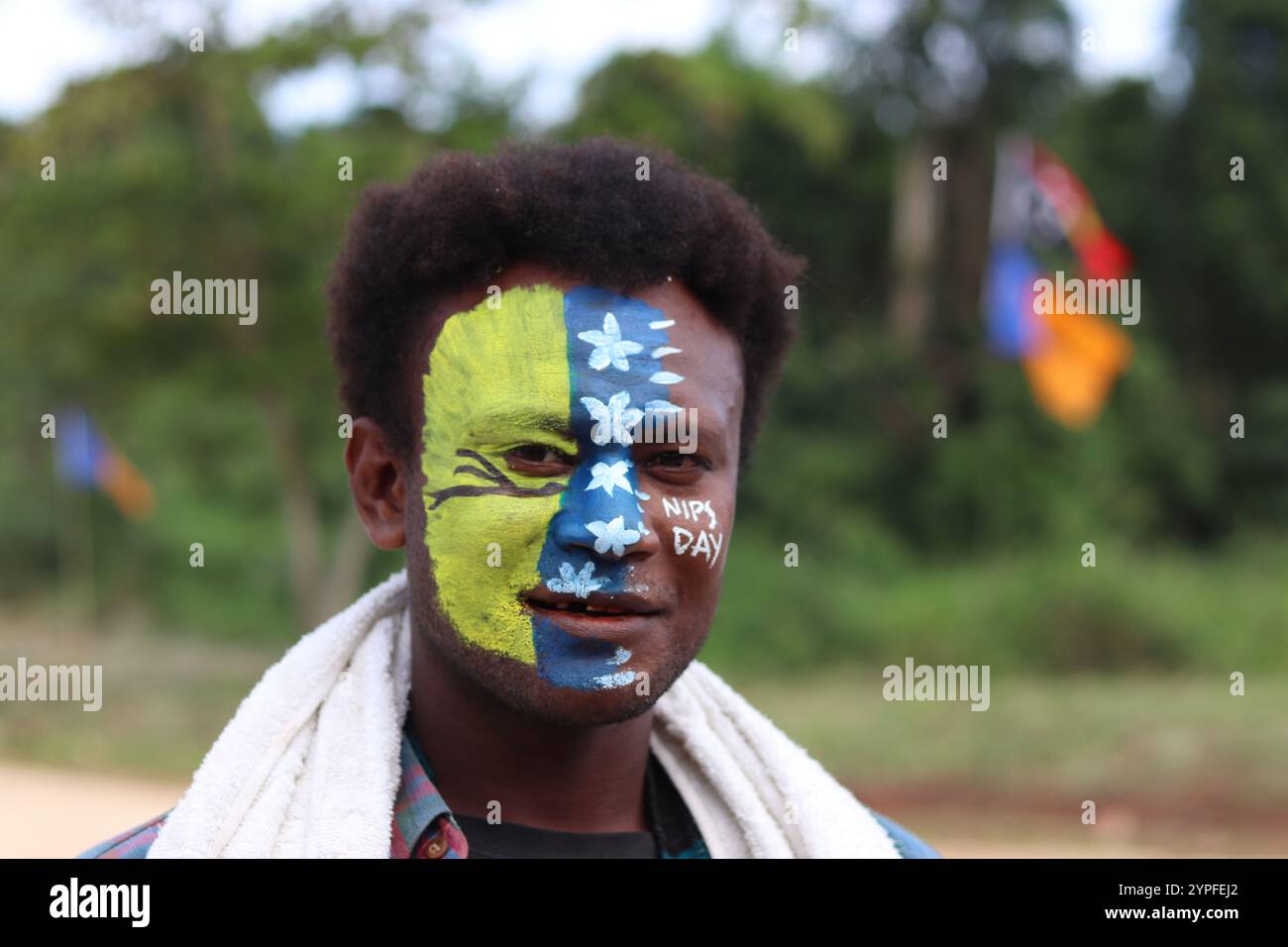
New Guinea is also home to an array of distinct ethnic groups, with over 800 languages spoken, making it one of the most linguistically diverse regions in the world. Each group has its own traditions, art forms, and social practices. The recent resurgence of interest in preserving indigenous cultures has led to numerous initiatives aimed at documenting and promoting local customs, dance, and art.
Challenges and Opportunities
Despite its natural riches, New Guinea faces numerous challenges, including socio-economic issues, political instability, and environmental degradation. The recent global emphasis on sustainable development provides an opportunity for New Guinea to leverage its tourism potential. Eco-tourism, focused on experiencing the island’s unique wildlife and vibrant cultures, could contribute to both conservation and local economies if managed wisely.
Conclusion
The significance of New Guinea cannot be overstated; it serves as a critical reservoir of biodiversity and cultural heritage. As global awareness of environmental issues grows, the future of New Guinea offers a dual narrative of challenge and opportunity. Continued conservation efforts, coupled with sustainable development practices, hold the promise for preserving this extraordinary island for future generations. For readers, staying informed about New Guinea’s environmental state and cultural developments may inspire collective action and foster appreciation for this unique region.