Introduction to Gabon
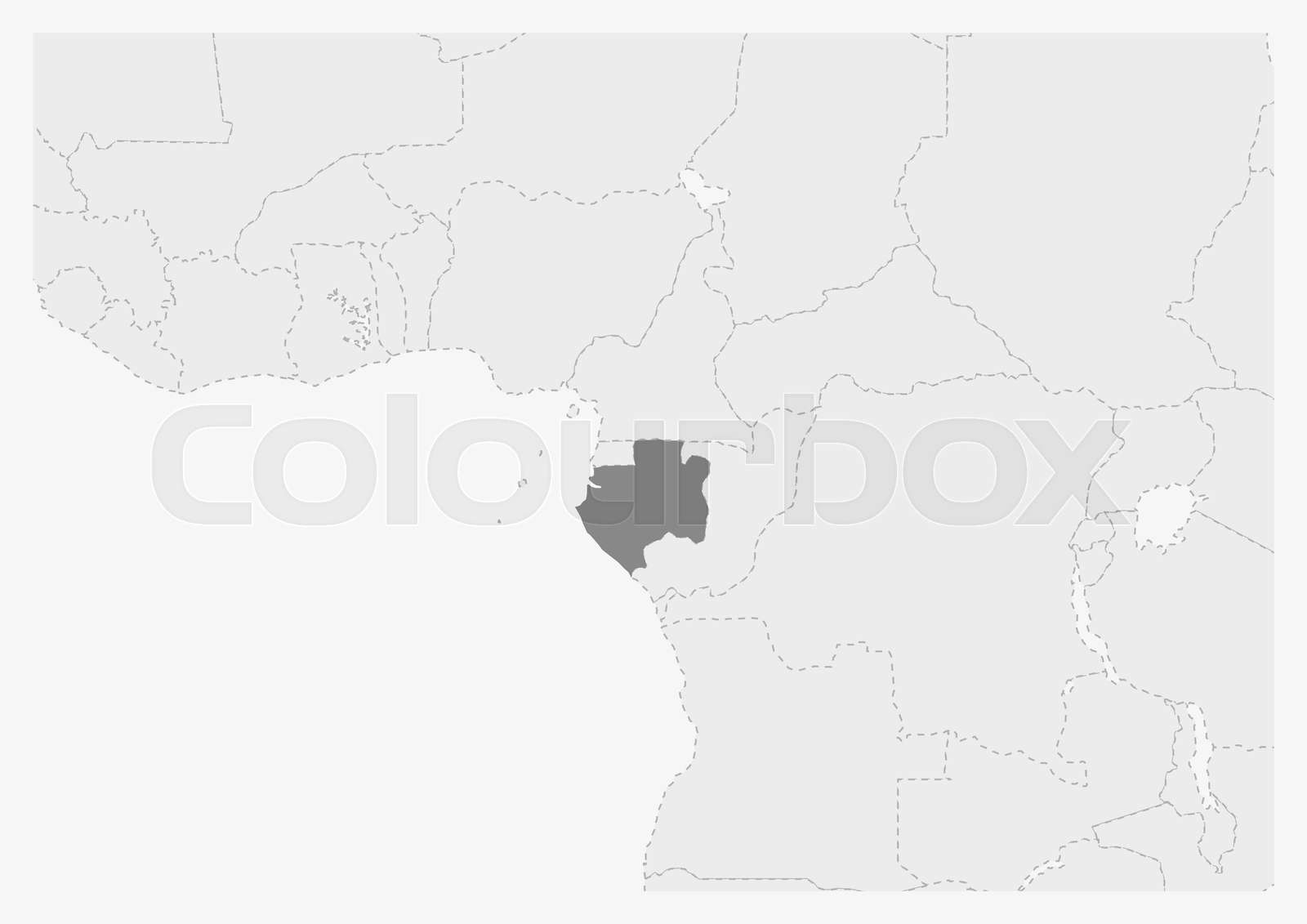
Gabon, located on the west coast of Central Africa, is a country renowned for its lush rainforests, diverse wildlife, and cultural richness. With over 80% of its land covered by forests, Gabon is at the forefront of conservation efforts. Its strategic position and natural resources have drawn international attention, making it a focal point for environmental and economic discussions in the region.
Natural Riches and Biodiversity
Gabon is home to some of the most protected wildlife areas in Africa, with 13 national parks that encompass nearly 11% of the country’s total area. Among these, Loango National Park is famous for its breathtaking scenery where elephants roam along the beaches and surf the waves. Meanwhile, the Ivindo National Park, known for its impressive waterfalls and rare species, provides a significant example of Gabon’s commitment to preserving its natural heritage.
Economic Landscape
The nation, rich in oil, timber, and manganese resources, has aimed to diversify its economy beyond oil dependency, which has historically accounted for a significant proportion of government revenue. The Gabonese government has initiated various reforms to attract foreign investment in agriculture, tourism, and renewable energy sectors. This pivot towards a more diverse economy is essential for sustainable growth amid fluctuating oil prices.
Cultural Significance
Culturally, Gabon is vibrant, with a mix of tribal traditions that enrich its national identity. The Fang and Punu tribes are among the most prominent, contributing to a rich tapestry of art, music, and festivals. The return of traditional practices and increased interest in Gabon’s heritage have boosted cultural tourism, providing both economic benefits and a greater appreciation for local customs.
Challenges and Future Outlook
Despite its wealth of natural and cultural resources, Gabon faces challenges including political stability, infrastructure development, and environmental conservation. However, with President Ali Bongo Ondimba advocating for sustainable development and investment in green technologies, there is hope for a balanced approach to progress in the coming years. As Gabon strengthens its international relations and leverages its resources wisely, the country is poised to become a model for sustainable development in Central Africa.
Conclusion
In conclusion, Gabon stands at a crossroads of opportunity. With its rich biodiversity, cultural heritage, and improving economic conditions, the country has the potential to thrive. The balance of conservation and development will be crucial as Gabon navigates the challenges ahead, and its story will continue to unfold on the global stage.