Introduction
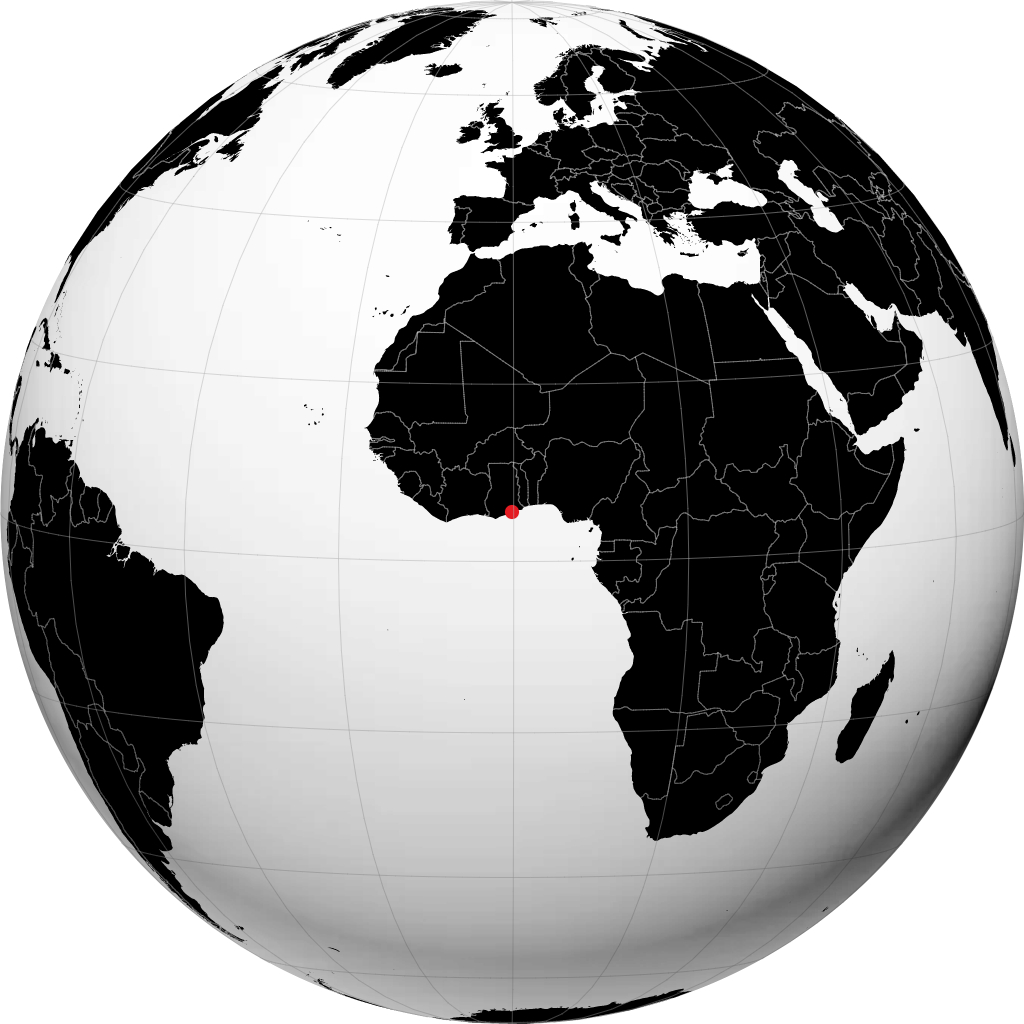
Accra, the bustling capital city of Ghana, plays a significant role in Africa’s socio-economic landscape. As a hub of commerce, culture, and politics, Accra is not only the largest city in Ghana but also its most influential. Understanding Accra’s dynamics is essential for anyone interested in West Africa’s development and its rich cultural heritage.
Historical Background
Founded in the 15th century, Accra initially consisted of various fishing villages. Its strategic coastal location attracted traders, eventually leading to its designation as the capital of the Gold Coast in 1877. Today, Accra is a melting pot of traditional Ghanaian culture and modern influences, evident in its architecture, markets, and vibrant street life.
Cultural Significance
Accra is a cultural epicentre with diverse influences. The city hosts numerous festivals, including Homowo, which celebrates the harvest. The arts scene is thriving, with venues like the Nubuke Foundation and the National Museum showcasing Ghanaian creativity. Additionally, the lively atmosphere of street food stalls and bustling markets, such as the Makola Market, provides a taste of local traditions and daily life.
Economic Importance
Accra plays a pivotal role in Ghana’s economy. According to the Ghana Statistical Service, over 30% of the country’s GDP comes from Accra. The city is home to many businesses, including manufacturing, finance, and telecommunications. Recent developments, such as the Accra Marine Drive project, project the city’s growth potential by enhancing its tourism and economic infrastructure.
Current Events and Developments
In recent months, Accra has made headlines due to its efforts in urban development and sustainable living. Initiatives to improve access to clean water, enhance public transportation, and reduce waste have garnered attention. For instance, the Greater Accra Region has implemented a new waste management programme aimed at making the city cleaner and more sustainable.
Conclusion
As Accra continues to evolve, its role as a vital centre for culture and economy in West Africa cannot be overstated. With ongoing developments and a rich cultural heritage, Accra is positioned as an essential city for both its residents and international visitors. Observers note that the city’s efforts in infrastructure and sustainability may set a precedent for other urban areas in the region. Moving forward, Accra is likely to attract more attention as a destination for investment and tourism, making it a city to watch closely.