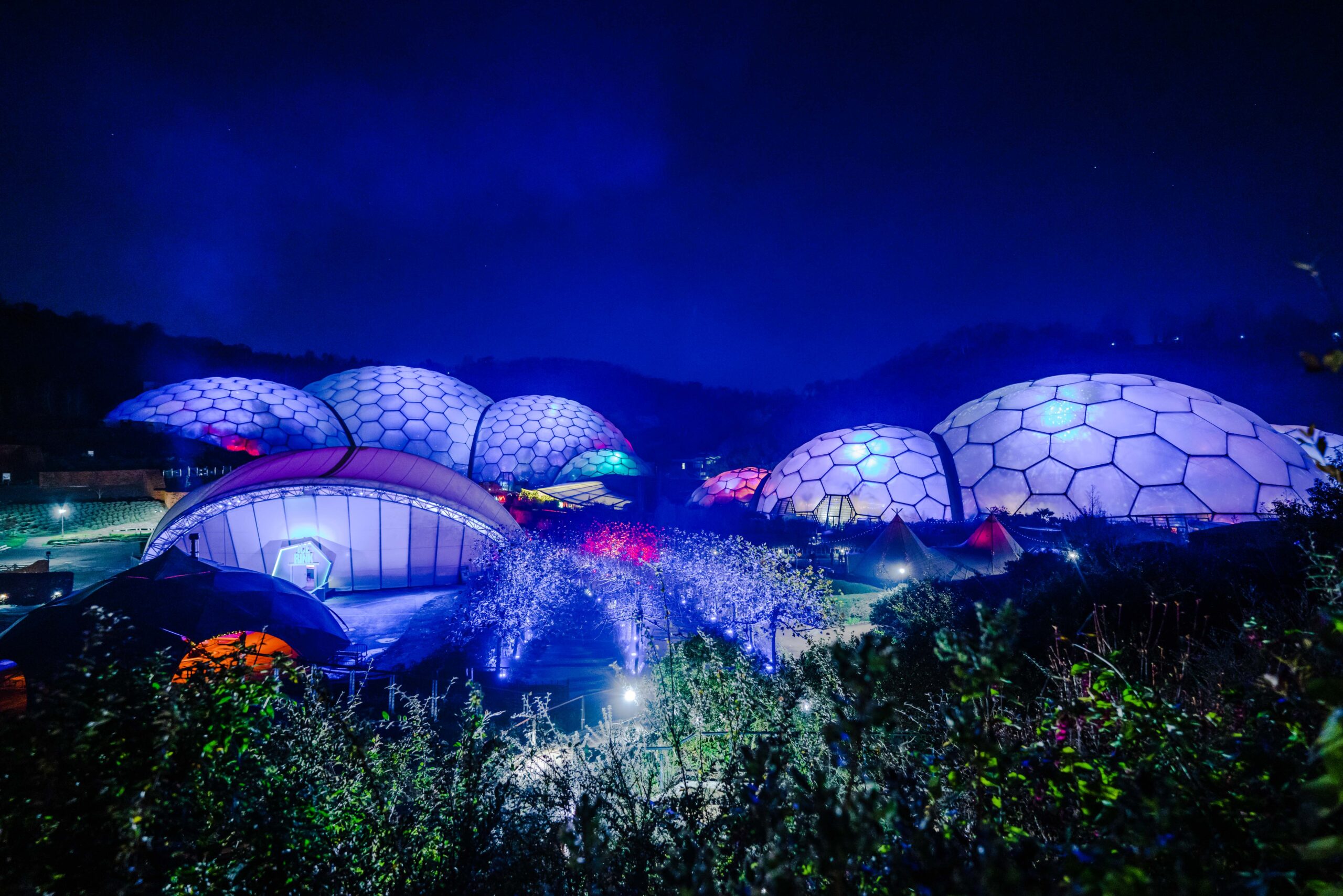
Introduction to the Eden Project
The Eden Project, located in Cornwall, England, is not just a botanical garden; it is a global leader in environmental education and sustainable living. Opened in 2001, it has become a symbol of ecological awareness, drawing over a million visitors each year. With its distinctive biomes housing diverse plant species and innovative sustainability projects, the Eden Project plays a crucial role in promoting conservation and climate action.
Highlights of the Eden Project
The site features two massive geodesic domes, known as biomes, which mimic different climates and are home to thousands of plant species from around the world. The Rainforest Biome is the largest indoor rainforest in the world, while the Mediterranean Biome showcases plants from regions such as South Africa, California, and Australia. Additionally, the outdoor gardens provide a space for local flora and educational exhibits, reinforcing the Project’s commitment to biodiversity.
Recent Developments and Initiatives
In recent months, the Eden Project has focused on expanding its sustainability initiatives. Notably, new projects are being launched that aim to develop skills related to climate action and sustainability among local communities. The ‘Grow to Eat’ initiative encourages local food production, aiming to reduce carbon footprints while fostering community engagement. Furthermore, the Eden Project is actively participating in research on climate change adaptation and has plans to introduce more educational programs to reinforce its mission.
Conclusion and Significance
The Eden Project is not only a tourist attraction but also a vital educational resource that encourages individuals and communities to engage with environmental issues. As climate change poses unprecedented challenges, projects like Eden become increasingly significant in educating the public about sustainable practices and the importance of biodiversity. Looking forward, the Eden Project aims to continue its role as a leader in sustainability, promoting a deeper understanding of our planet’s ecosystems while inspiring a collective response to environmental challenges.